Understanding ROI in Workflow Optimisation with Kanban Software
What ROI Means in Workflow Improvement
Return on investment in workflow optimisation refers to the measurable value gained compared to the effort, time, and cost put into improving processes. With Kanban software, ROI is not limited to financial savings alone but also includes time saved, better decision-making, and improved team performance.
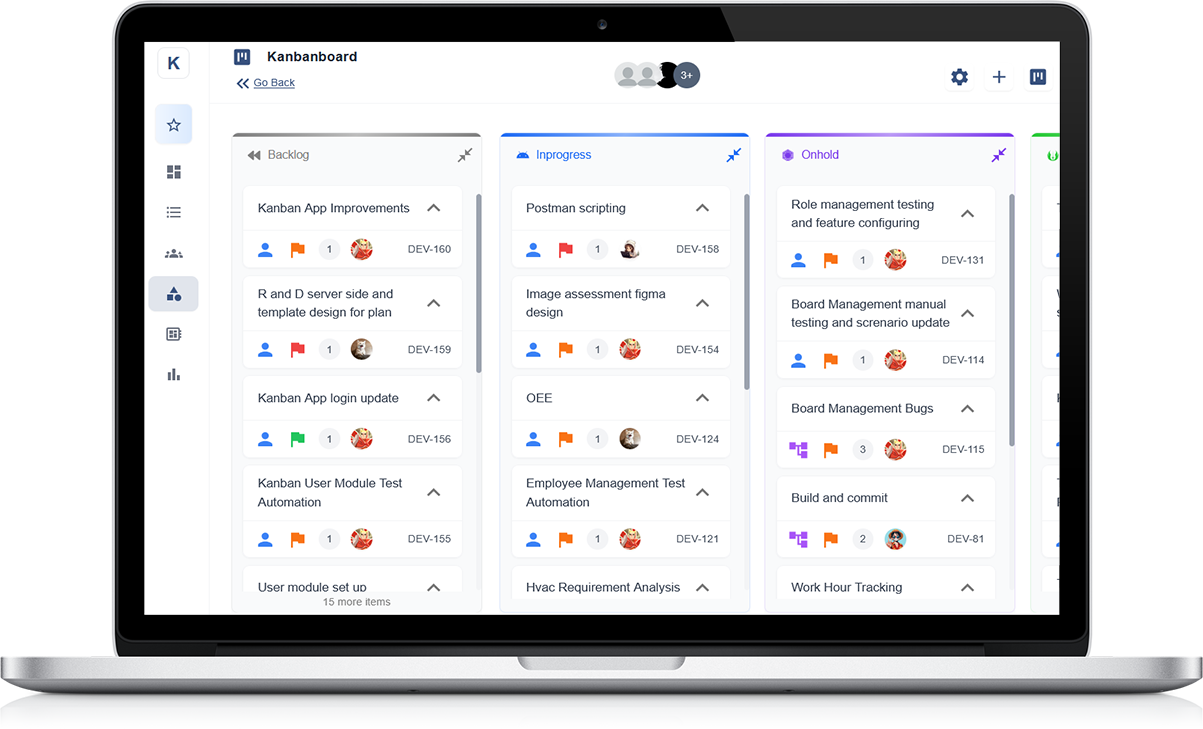
Linking Workflow Visibility to Business Value
When work is clearly visible, organisations can identify inefficiencies that were previously hidden. This visibility allows teams to remove unnecessary steps, reduce delays, and focus on activities that add real value. Over time, these improvements directly contribute to better output with fewer resources.
Short-Term and Long-Term Returns
Short-term ROI often appears as faster task completion and reduced rework. Long-term ROI develops through consistent delivery, predictable outcomes, and stronger team engagement. These benefits compound as workflows mature.
Measuring ROI Consistently
Tracking delivery speed, workload balance, and throughput over time helps organisations clearly understand how workflow optimisation contributes to overall performance and growth.
How Kanban Boards Reduce Operational Waste and Costs
Identifying Waste in Daily Work
Operational waste often appears as waiting time, duplicated effort, excessive handovers, or unfinished tasks. Kanban boards make this waste visible by clearly showing where work stalls or piles up.
Limiting Overproduction of Work
By applying work-in-progress limits, teams avoid starting too many tasks at once. This prevents wasted effort on low-priority work and reduces the cost of context switching.
Reducing Rework and Errors
Clear task definitions and transparent workflows reduce misunderstandings. When everyone knows the current status and requirements, mistakes and rework decrease significantly.
Lowering Hidden Operational Costs
Over time, reduced delays, fewer errors, and better focus lead to lower operational costs and more efficient use of available resources.
Improving Productivity Through Visual Workflow Management
Making Work Easy to Understand
Visual workflows present tasks in a simple and structured way. Teams can instantly see what needs attention, what is in progress, and what has been completed.
Reducing Time Spent on Status Updates
When work status is visible to everyone, teams spend less time explaining progress. This frees up more time for actual productive work.
Encouraging Focused Work
Visual management helps teams prioritise effectively. Clear visibility reduces distractions and helps individuals focus on completing tasks rather than starting new ones.
Sustaining Productivity Over Time
Consistent visual tracking supports steady performance rather than short bursts of effort followed by burnout.
Measuring Time Savings and Faster Cycle Times
Understanding Cycle Time
Cycle time measures how long a task takes from start to completion. Shorter cycle times usually indicate smoother workflows and better coordination.
Identifying Time Delays
Kanban boards highlight where tasks slow down. These delays often point to approval gaps, resource shortages, or unclear requirements.
Improving Predictability
As cycle times stabilise, teams gain better predictability. This allows more accurate planning and improved confidence in delivery commitments.
Translating Time Savings into Value
Time saved can be reinvested into higher-value activities, innovation, or improved customer service.
Reducing Bottlenecks and Delays Across Teams
Making Bottlenecks Visible
Bottlenecks often go unnoticed until deadlines are missed. Kanban boards reveal congestion points early by showing where work accumulates.
Encouraging Proactive Resolution
When delays are visible, teams can address issues collaboratively rather than reacting under pressure.
Balancing Workload
Visual workflows help redistribute tasks when certain stages become overloaded, reducing overall delays.
Improving End-to-End Flow
Consistent monitoring leads to smoother handovers and faster delivery across teams.
Optimising Resource Utilisation for Better Output
Understanding Capacity Clearly
Kanban systems help teams understand how much work they can realistically handle without overload.
Avoiding Overcommitment
By limiting active tasks, teams prevent burnout and ensure resources are applied where they deliver the most value.
Aligning Skills with Work
Clear visibility allows managers to assign tasks based on availability and capability rather than assumptions.
Maximising Output with Existing Resources
Better utilisation improves output without the need for additional staffing or increased costs.
Enhancing Team Collaboration and Accountability
Creating Shared Ownership of Work
When tasks are visible, teams develop a shared responsibility for progress rather than working in isolation.
Improving Communication Naturally
Visual boards reduce the need for constant meetings by providing clear, up-to-date information.
Encouraging Accountability Without Pressure
Clear task ownership promotes accountability without micromanagement, building trust across teams.
Strengthening Team Culture
Transparent workflows foster collaboration, alignment, and a stronger sense of collective achievement.
Improving On-Time Delivery and Service Levels
Why On-Time Delivery Matters
On-time delivery is a key indicator of operational reliability and customer trust. When teams consistently meet deadlines, service levels improve and expectations are managed more effectively.
Reducing Delays Through Clear Workflow Visibility
Kanban workflows make each stage of work visible, helping teams identify delays before they affect delivery dates. When tasks slow down, teams can take corrective action early.
Managing Priorities Effectively
Clear prioritisation ensures that urgent and high-value work is completed first. This reduces missed deadlines and helps teams focus on what truly matters.
Maintaining Consistent Service Levels
Over time, predictable workflows lead to stable service performance. Customers and stakeholders gain confidence in delivery commitments.
Gaining Real-Time Visibility for Smarter Decision-Making
Accessing Accurate Information Instantly
Real-time visibility provides teams and leaders with up-to-date information on workload, progress, and potential risks.
Reducing Guesswork in Decisions
Decisions based on live data are more reliable than those based on assumptions or outdated reports. This leads to better outcomes.
Responding Quickly to Change
When priorities shift or issues arise, real-time insight allows teams to adjust plans without disrupting overall workflow.
Supporting Confident Leadership
Leaders gain confidence knowing decisions are supported by clear, current performance data.
Supporting Continuous Improvement with Performance Data
Turning Data into Action
Performance data highlights trends, patterns, and recurring issues within workflows. This information supports informed improvement efforts.
Identifying Improvement Opportunities
By reviewing delivery speed, workload balance, and bottlenecks, teams can focus improvement efforts where they matter most.
Encouraging a Culture of Learning
Regular data reviews encourage teams to reflect, learn, and adjust rather than repeat the same mistakes.
Measuring the Impact of Changes
Ongoing measurement confirms whether improvements deliver real benefits over time.
Lower Training and Adoption Costs Compared to Traditional Tools
Simple and Intuitive Workflows
Kanban systems are easy to understand, reducing the time needed for formal training and complex onboarding.
Faster Team Adoption
Visual boards mirror how people naturally organise work, allowing teams to become productive quickly.
Reducing Support and Rework Costs
Clear processes reduce confusion, mistakes, and the need for repeated explanations.
Lower Ongoing Maintenance Effort
Simple systems require less administrative effort, further reducing long-term costs.
Scaling Workflow Optimisation Across the Organisation
Starting Small and Expanding Gradually
Kanban allows teams to begin with a single workflow and scale improvements as confidence grows.
Maintaining Consistency Across Teams
Shared principles ensure alignment while allowing flexibility for different functions.
Supporting Cross-Team Collaboration
Visual workflows help teams understand dependencies and coordinate more effectively.
Creating Organisation-Wide Flow
As adoption grows, workflows become smoother across departments and locations.
Tracking Performance Metrics That Demonstrate ROI
Choosing Meaningful Metrics
Metrics such as cycle time, throughput, and delivery reliability clearly show performance improvements.
Linking Metrics to Business Outcomes
Improved metrics translate into faster delivery, better service levels, and reduced operational costs.
Reviewing Metrics Regularly
Consistent tracking ensures improvements are sustained rather than temporary.
Communicating Value Clearly
Visible metrics help demonstrate return on investment to stakeholders.
Calculating Short-Term Wins and Long-Term Business Value
Recognising Early Benefits
Quick wins often include improved clarity, faster task completion, and reduced stress.
Building Long-Term Value
Over time, consistent workflows lead to predictable delivery and improved organisational resilience.
Balancing Immediate and Strategic Gains
Short-term improvements support long-term growth and stability.
Supporting Sustainable Performance
Value compounds as teams refine processes and maintain focus on continuous improvement.
Building a High-Performance, Cost-Efficient Organisation with Kanban
Reducing Waste Across Operations
Visual workflows help remove unnecessary steps, delays, and duplicated effort.
Improving Focus and Efficiency
Clear priorities ensure resources are used where they deliver the most value.
Strengthening Accountability and Ownership
Transparency encourages responsibility without excessive oversight.
Creating Sustainable High Performance
Over time, Kanban supports a balanced, efficient, and resilient organisation.