Kanban is a visual workflow management methodology designed to help teams optimize task flow, improve efficiency, and foster continuous improvement. It originated in the manufacturing industry and has since become a popular framework for Agile teams in various fields, including software development, marketing, and operations.
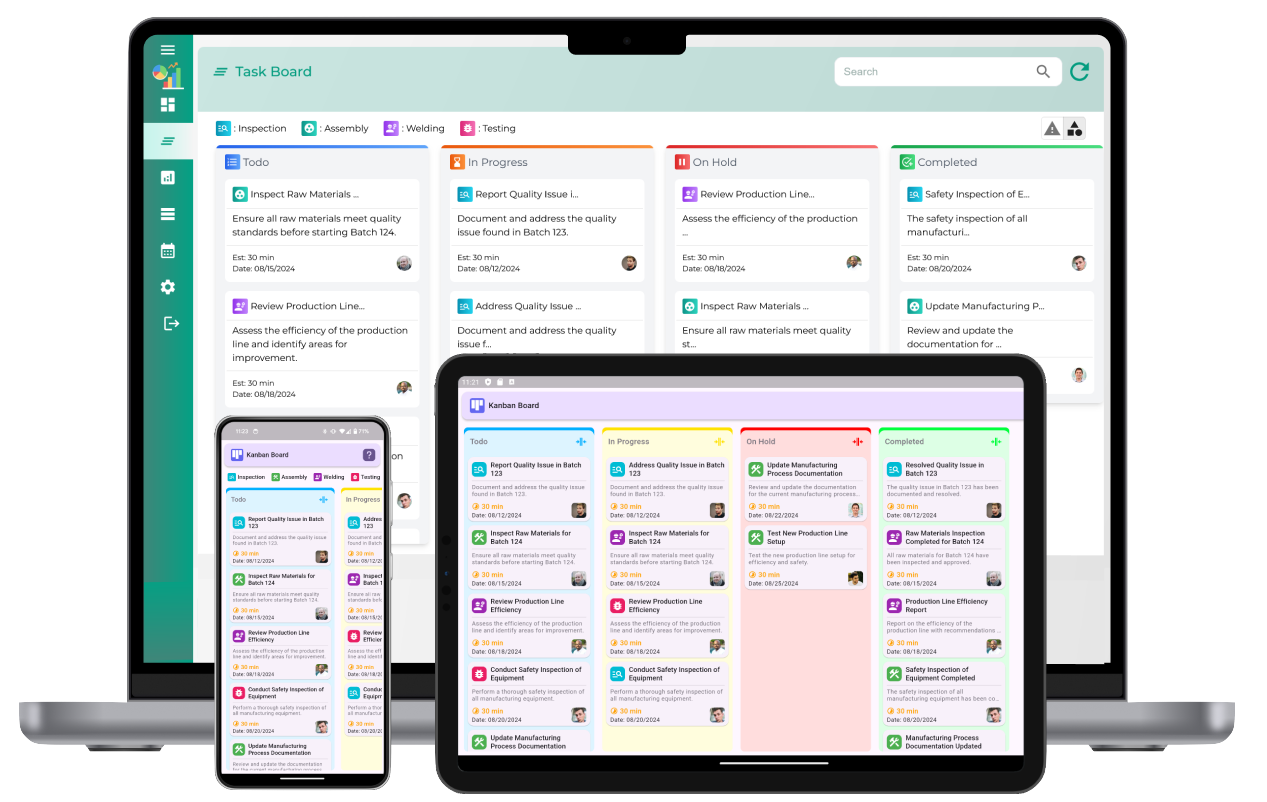
Understanding the Basics of Kanban
Kanban, which means "signboard" or "billboard" in Japanese, is a system that uses visual boards to represent workflows. The core components of a Kanban system include:
- Visual Board: A board that displays tasks and their statuses.
- Cards: Each card represents a task or work item.
- Columns: These represent different stages in the workflow, such as "To Do," "In Progress," and "Done."
- WIP Limits: Work-in-progress (WIP) limits ensure that teams focus on completing tasks before taking on new ones.
- Continuous Improvement: Teams review their processes regularly to identify areas for enhancement.
How Kanban Works
Kanban is built on the principles of visualizing work, limiting work in progress, and improving flow. Here's how it works:
- Step 1: Visualize the Workflow
Teams create a Kanban board with columns representing workflow stages. Tasks are added as cards and moved across the board as they progress. - Step 2: Limit Work in Progress
WIP limits are set to prevent teams from juggling too many tasks simultaneously. This helps maintain focus and reduce bottlenecks. - Step 3: Manage Flow
The goal is to optimize the flow of tasks through the system, ensuring smooth transitions from one stage to another. - Step 4: Implement Feedback Loops
Teams conduct regular reviews to assess performance and address challenges. - Step 5: Focus on Continuous Improvement
Teams use insights from reviews to refine processes, improve efficiency, and deliver better outcomes.
Benefits of Using Kanban
Kanban offers several advantages for Agile teams, including:
- Enhanced Visibility: The visual nature of Kanban makes it easy for team members to see the status of tasks and identify priorities.
- Improved Focus: WIP limits help teams concentrate on completing tasks before starting new ones, reducing multitasking.
- Increased Efficiency: By identifying and addressing bottlenecks, Kanban ensures smoother workflows and faster task completion.
- Flexibility: Kanban adapts to various workflows and is suitable for teams of all sizes and industries.
- Continuous Improvement: The emphasis on feedback and iteration fosters a culture of ongoing enhancement.
Implementing Kanban in Agile Teams
To implement Kanban effectively, Agile teams should follow these steps:
- 1. Define Your Workflow: Identify the key stages in your team's process and create corresponding columns on the Kanban board.
- 2. Add Tasks as Cards: Break down work items into manageable tasks and represent each task with a card.
- 3. Set WIP Limits: Determine appropriate limits for each stage to prevent overloading the system.
- 4. Monitor and Manage Flow: Regularly review the board to identify bottlenecks, adjust priorities, and ensure steady progress.
- 5. Conduct Retrospectives: Hold periodic meetings to evaluate team performance and discuss ways to improve.
Common Pitfalls and How to Avoid Them
While Kanban is a simple and effective tool, teams may encounter challenges during implementation. Common pitfalls include:
- Overloading the Board: Adding too many tasks can overwhelm the system. Avoid this by adhering to WIP limits.
- Neglecting Feedback Loops: Regular reviews are essential for identifying improvement opportunities. Schedule these meetings consistently.
- Lack of Team Buy-In: Ensure all team members understand the benefits of Kanban and are committed to using it effectively.
- Inadequate Customization: Tailor the Kanban board to fit your team's specific needs and workflow.
Kanban vs. Other Agile Frameworks
Kanban differs from other Agile frameworks like Scrum in several ways. While Scrum relies on time-boxed sprints and predefined roles, Kanban is more flexible and continuous. Teams can use Kanban alongside other frameworks to enhance their workflow and maximize efficiency.
What Is Kanban? A Beginner's Guide for Agile Teams
What is Kanban in agile project management?
Kanban is a visual workflow management method used in agile project management to optimize task flow, enhance transparency, and improve team collaboration.
How does a Kanban board work?
A Kanban board uses columns to represent stages of a workflow and cards to represent tasks, allowing teams to visualize, track, and manage progress effectively.
What are the core principles of Kanban?
Kanban is based on principles like visualizing workflows, limiting work in progress, focusing on flow efficiency, and encouraging continuous improvement.
How does Kanban improve team productivity?
Kanban helps teams focus on completing tasks efficiently by reducing multitasking, highlighting bottlenecks, and improving workflow transparency.
What are the key components of a Kanban board?
The key components of a Kanban board include columns for workflow stages, cards representing tasks, and work-in-progress limits to manage flow.
Can Kanban be used outside of software development?
Yes, Kanban is versatile and can be applied to various fields like manufacturing, marketing, healthcare, education, and service industries.
What does "limiting work in progress" mean in Kanban?
Limiting work in progress (WIP) ensures teams focus on completing tasks before starting new ones, reducing bottlenecks and improving task completion rates.
How does Kanban support continuous improvement?
Kanban supports continuous improvement by encouraging teams to analyze workflows, identify inefficiencies, and implement incremental changes for better performance.
What is the difference between Kanban and Scrum?
Kanban focuses on continuous task flow and flexibility, while Scrum operates in fixed iterations with predefined roles, events, and a structured framework.
How can teams transition to using Kanban?
Teams can transition to Kanban by mapping their current workflow, visualizing tasks on a board, setting WIP limits, and regularly reviewing progress.
What role does visualization play in Kanban?
Visualization is central to Kanban as it helps teams see task progress, identify bottlenecks, and maintain focus on completing current tasks.
How do Kanban metrics like cycle time help teams?
Metrics like cycle time provide insights into how long tasks take to complete, helping teams optimize workflows and predict future task durations.
What are some best practices for implementing Kanban?
Best practices include setting realistic WIP limits, regularly reviewing workflows, encouraging team collaboration, and using metrics to track progress.
How does Kanban help manage bottlenecks?
Kanban helps identify bottlenecks by visualizing stalled tasks and allowing teams to allocate resources or adjust workflows to resolve issues.
What tools are commonly used to implement Kanban?
Kanban boards can be implemented using physical boards, spreadsheets, or digital tools with features for visualization, task tracking, and collaboration.