Work Order management is a systematic process used to create, track, and complete work tasks within an organization. It is essential for industries that rely on maintenance, repairs, and service management to ensure operational efficiency, minimize downtime, and improve resource utilization.
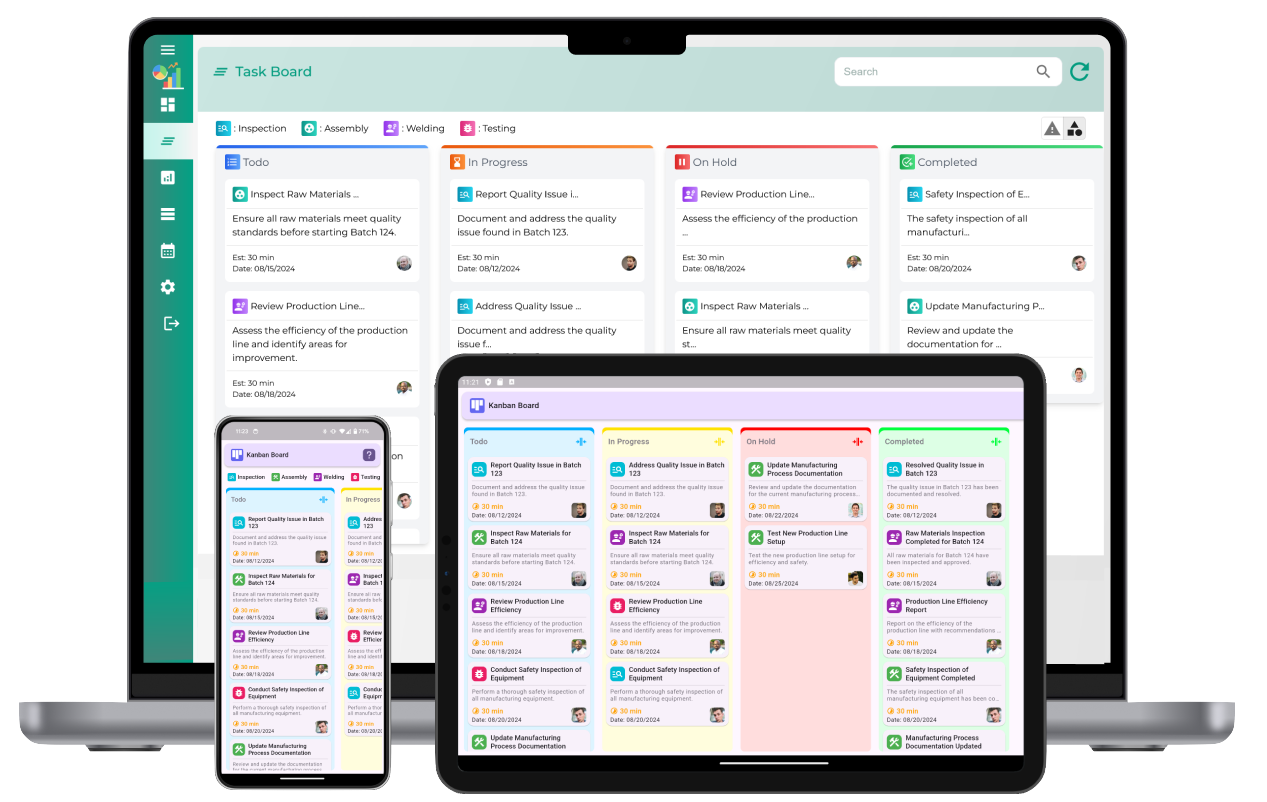
How to Implement an Effective Work Order Management System
Implementing a Work Order management system requires careful planning and execution. Below are the key steps:
Step 1: Define Your Work Order Process
Establish clear guidelines for initiating, approving, and closing work orders. Identify the stakeholders involved, such as maintenance teams, supervisors, and inventory managers.
Step 2: Standardize Work Order Requests
Create a structured request format to capture essential details such as task description, priority level, assigned personnel, required materials, and estimated completion time.
Step 3: Automate Work Order Tracking
Utilize digital tools to assign tasks, update statuses, and monitor progress in real-time. Automation enhances transparency and accountability within the workflow.
Step 4: Optimize Resource Allocation
Assign work orders based on resource availability, skill sets, and urgency. Proper allocation prevents bottlenecks and ensures efficient task execution.
Step 5: Monitor and Analyze Performance
Track key performance indicators (KPIs) such as response times, completion rates, and maintenance costs. Use data-driven insights to identify areas for improvement.
Benefits of Work Order Management
- Improved Efficiency: Streamlined workflows reduce delays and enhance productivity.
- Enhanced Asset Management: Regular maintenance extends the lifespan of equipment and reduces unexpected breakdowns.
- Cost Savings: Optimized resource usage lowers operational costs and prevents unnecessary expenses.
- Better Compliance: Documentation and tracking ensure adherence to industry regulations and safety standards.
- Data-Driven Decision-Making: Performance reports help organizations make informed maintenance and resource allocation decisions.
What is work order management and why do you need it?
What is work order management?
Work order management is the process of creating, tracking, and completing maintenance and service tasks efficiently.
Why is work order management important?
It ensures tasks are completed on time, reduces downtime, and improves overall operational efficiency.
How does a work order management system improve efficiency?
By streamlining task assignments, tracking progress, and ensuring timely completion with minimal errors.
What are the key components of a work order?
Typical components include task description, assigned personnel, priority level, due date, and status updates.
How do digital work order systems differ from paper-based systems?
Digital systems enable real-time tracking, automation, and integration with other tools, reducing paperwork and errors.
What industries benefit most from work order management?
Industries such as manufacturing, healthcare, facilities management, and field service operations benefit significantly.
How can work order management help reduce downtime?
By ensuring timely maintenance and repairs, preventing unexpected failures, and optimizing resource allocation.
What is the role of automation in work order management?
Automation streamlines task assignments, sends notifications, and ensures efficient workflow execution.
How can a work order management system improve accountability?
It tracks task assignments, progress, and completion, ensuring transparency and responsibility.
What are the benefits of tracking work orders in real time?
Real-time tracking enhances visibility, improves response times, and helps identify bottlenecks early.
How does work order management support preventive maintenance?
It schedules routine maintenance, reducing equipment failures and extending asset life.
Can work order management systems integrate with other business tools?
Yes, they often integrate with ERP, inventory management, and asset tracking systems.
What metrics should be tracked in work order management?
Key metrics include response time, task completion rate, downtime reduction, and maintenance costs.
How does mobile access improve work order management?
Mobile access allows field teams to update tasks, receive assignments, and track progress in real time.
What are the best practices for implementing a work order management system?
Define clear workflows, train staff, use automation, and regularly review system performance.