Key Performance Indicators (KPIs) for production are measurable metrics used to evaluate the efficiency, productivity, and performance of a manufacturing or production process. These indicators provide insights into how well a production system is performing, helping organizations identify areas for improvement and ensure alignment with strategic goals. By monitoring KPIs, production teams can track progress, optimize operations, and meet business objectives.
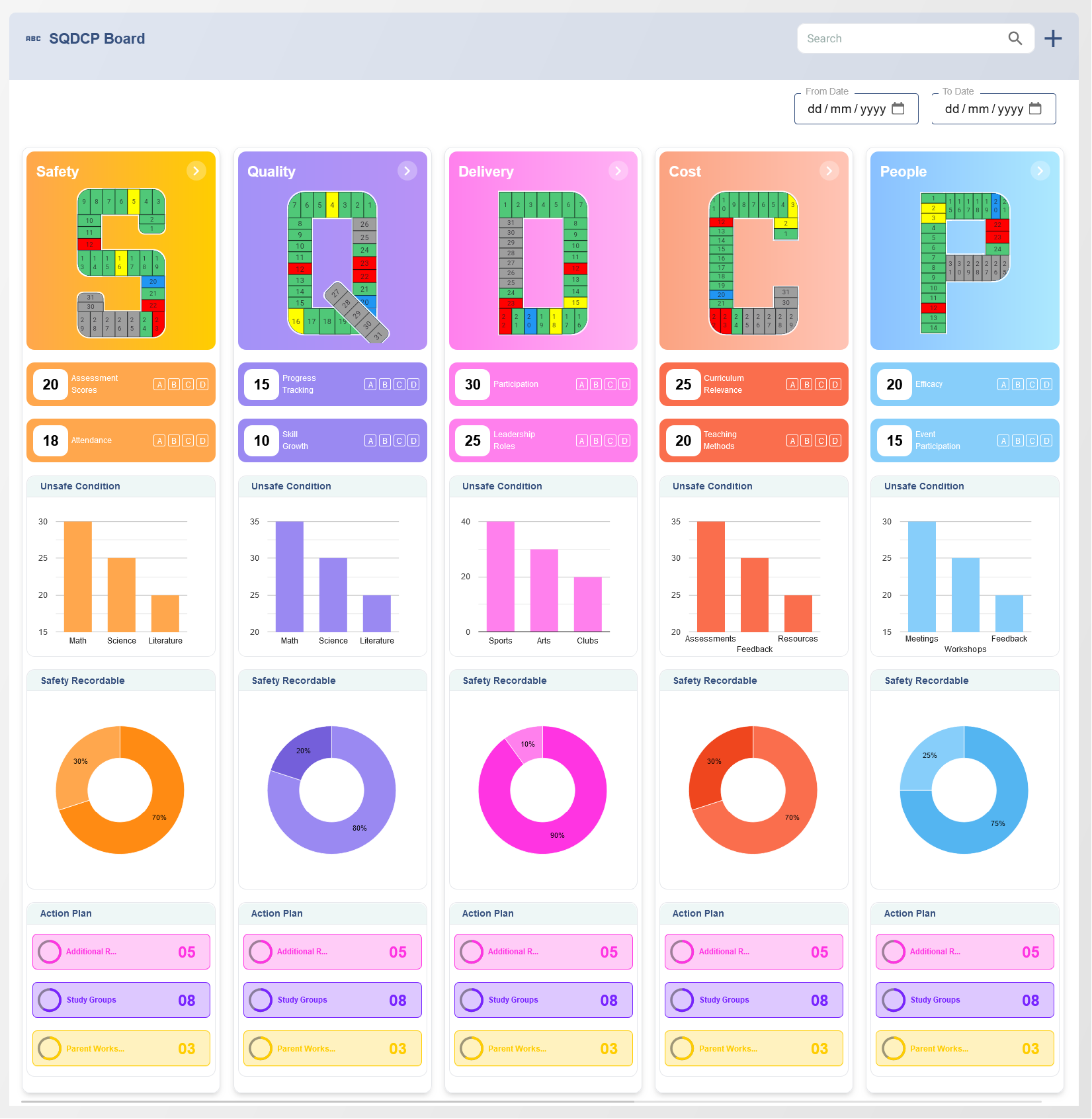
Production KPIs can be customized to fit the specific needs of an organization, but they generally fall into categories such as efficiency, quality, cost, and delivery. Here are some common KPIs for production and their significance:
1. Overall Equipment Effectiveness (OEE)
OEE is a comprehensive metric that evaluates how effectively production equipment is utilized. It combines three factors:
- Availability: The percentage of scheduled time that equipment is available for production.
- Performance: The speed at which production is running compared to its maximum potential.
- Quality: The proportion of good units produced versus total units produced.
OEE provides a clear picture of equipment performance and highlights areas for improvement.
2. Production Downtime
This KPI measures the amount of time production equipment is not operational due to maintenance, breakdowns, or other disruptions. Reducing downtime is critical to maximizing productivity and meeting production targets.
3. Cycle Time
Cycle time refers to the total time it takes to produce one unit, from the start of production to the finished product. By monitoring cycle time, organizations can identify bottlenecks and improve the speed of production processes.
4. Throughput
Throughput measures the number of units produced within a specific time frame. It helps assess the production line's efficiency and identify opportunities for increasing output.
5. Yield
Yield tracks the percentage of products produced that meet quality standards without requiring rework or scrap. A high yield indicates efficient and effective production processes.
6. First Pass Yield (FPY)
FPY measures the percentage of products that pass quality checks the first time without requiring rework. This KPI is essential for assessing the effectiveness of production processes and reducing waste.
7. Scrap Rate
The scrap rate calculates the percentage of materials wasted during production. Minimizing scrap is vital for cost efficiency and sustainability.
8. On-Time Delivery (OTD)
OTD measures the percentage of orders delivered to customers on or before the agreed deadline. It reflects the production team's ability to meet demand and maintain customer satisfaction.
9. Capacity Utilization
This KPI evaluates the extent to which production capacity is being used. It is calculated by dividing actual output by maximum potential output and expressing it as a percentage. High capacity utilization indicates efficient resource use.
10. Cost Per Unit
Cost per unit tracks the total cost incurred to produce a single unit of product, including labor, materials, and overhead costs. Monitoring this KPI helps identify areas where expenses can be reduced.
11. Energy Consumption
Energy consumption measures the amount of energy used during production. Reducing energy usage can lower costs and contribute to sustainability goals.
12. Inventory Turnover
This KPI tracks how frequently inventory is used and replenished over a specific period. High inventory turnover indicates efficient production planning and inventory management.
13. Customer Complaints
This KPI monitors the number of complaints received from customers regarding product quality or delivery issues. Reducing complaints is essential for maintaining customer satisfaction and loyalty.
14. Maintenance Metrics
Maintenance-related KPIs, such as Mean Time Between Failures (MTBF) and Mean Time to Repair (MTTR), evaluate the reliability and efficiency of equipment maintenance processes. These metrics help prevent downtime and ensure smooth production operations.
15. Employee Productivity
Employee productivity measures the output per worker or team within a specific time frame. This KPI highlights the effectiveness of the workforce and identifies areas for training or process improvement.
16. Lead Time
Lead time refers to the total time taken from receiving a customer order to delivering the finished product. Reducing lead time improves customer satisfaction and enhances competitiveness.
17. Work-in-Progress (WIP)
WIP measures the number of units currently in the production process but not yet completed. Monitoring WIP helps identify bottlenecks and optimize production flow.
18. Safety Incidents
Tracking the number of safety incidents in the production area is essential for maintaining a safe working environment. Reducing incidents enhances employee morale and minimizes downtime.
19. Supplier Performance
This KPI evaluates the reliability and quality of suppliers, including on-time delivery and adherence to quality standards. Effective supplier management ensures consistent production processes.
20. Environmental Impact
Organizations increasingly monitor environmental impact KPIs, such as carbon emissions and waste generation, to align with sustainability initiatives and regulatory requirements.
Implementing production KPIs requires a structured approach. Here are some best practices:
- Define Clear Objectives: Ensure each KPI aligns with organizational goals and provides actionable insights.
- Use Real-Time Data: Leverage technology to collect and analyze data in real-time for accurate decision-making.
- Focus on Key Metrics: Avoid tracking too many KPIs. Instead, focus on the most critical metrics for your operations.
- Regularly Review and Update: Periodically review KPIs to ensure they remain relevant to evolving business needs.
- Involve the Team: Engage employees in the KPI tracking process to foster ownership and accountability.
What is KPI for production?
What is a KPI for production?
A KPI for production is a measurable value that evaluates the effectiveness and efficiency of a production process, helping organizations achieve operational goals.
Why are production KPIs important?
Production KPIs are important because they provide insights into performance, identify areas for improvement, and ensure alignment with organizational goals.
What are some common KPIs in production management?
Common KPIs include OEE, production volume, cycle time, downtime, defect rate, and on-time delivery.
How is Overall Equipment Effectiveness (OEE) used as a KPI?
OEE measures the efficiency of equipment by considering availability, performance, and quality, providing a comprehensive view of productivity.
What is the difference between lagging and leading production KPIs?
Lagging KPIs measure past performance, such as production output, while leading KPIs predict future performance, such as planned maintenance adherence.
How do production KPIs help in improving efficiency?
KPIs identify inefficiencies, track improvements, and provide actionable data to optimize processes and resource utilization.
What role do quality metrics play in production KPIs?
Quality metrics track defect rates, rework levels, and first-pass yield, ensuring that production meets required standards.
Can KPIs measure downtime in production?
Yes, downtime KPIs monitor machine stoppages, their frequency, and duration, helping reduce production interruptions.
What is a good KPI for measuring production output?
Production output can be measured using KPIs like units produced per hour or total daily production volume.
How do you calculate cycle time as a KPI?
Cycle time is calculated by dividing the total production time by the number of units produced, measuring the time taken to produce one unit.
What are some KPIs for tracking waste in production?
KPIs for waste tracking include scrap rate, material utilization, and yield percentage.
How are production KPIs visualized effectively?
Production KPIs are effectively visualized using dashboards, charts, and graphs that provide real-time updates and trend analysis.
What is the role of KPIs in continuous improvement?
KPIs provide measurable goals and benchmarks that help teams identify areas for improvement and track progress over time.
How do production KPIs support resource allocation?
Production KPIs highlight resource bottlenecks and inefficiencies, enabling better planning and allocation of labor, materials, and equipment.
How often should production KPIs be reviewed?
Production KPIs should be reviewed daily for real-time metrics and monthly for trend analysis and strategic planning.