The Balanced Scorecard (BSC) is a strategic management tool that provides organizations with a comprehensive framework to measure and manage their performance across multiple perspectives. It goes beyond traditional financial metrics by incorporating four key areas: financial, customer, internal processes, and learning and growth. This multifaceted approach enables businesses to align their day-to-day operations with long-term strategic goals, offering a holistic view of performance that helps drive sustainable success.
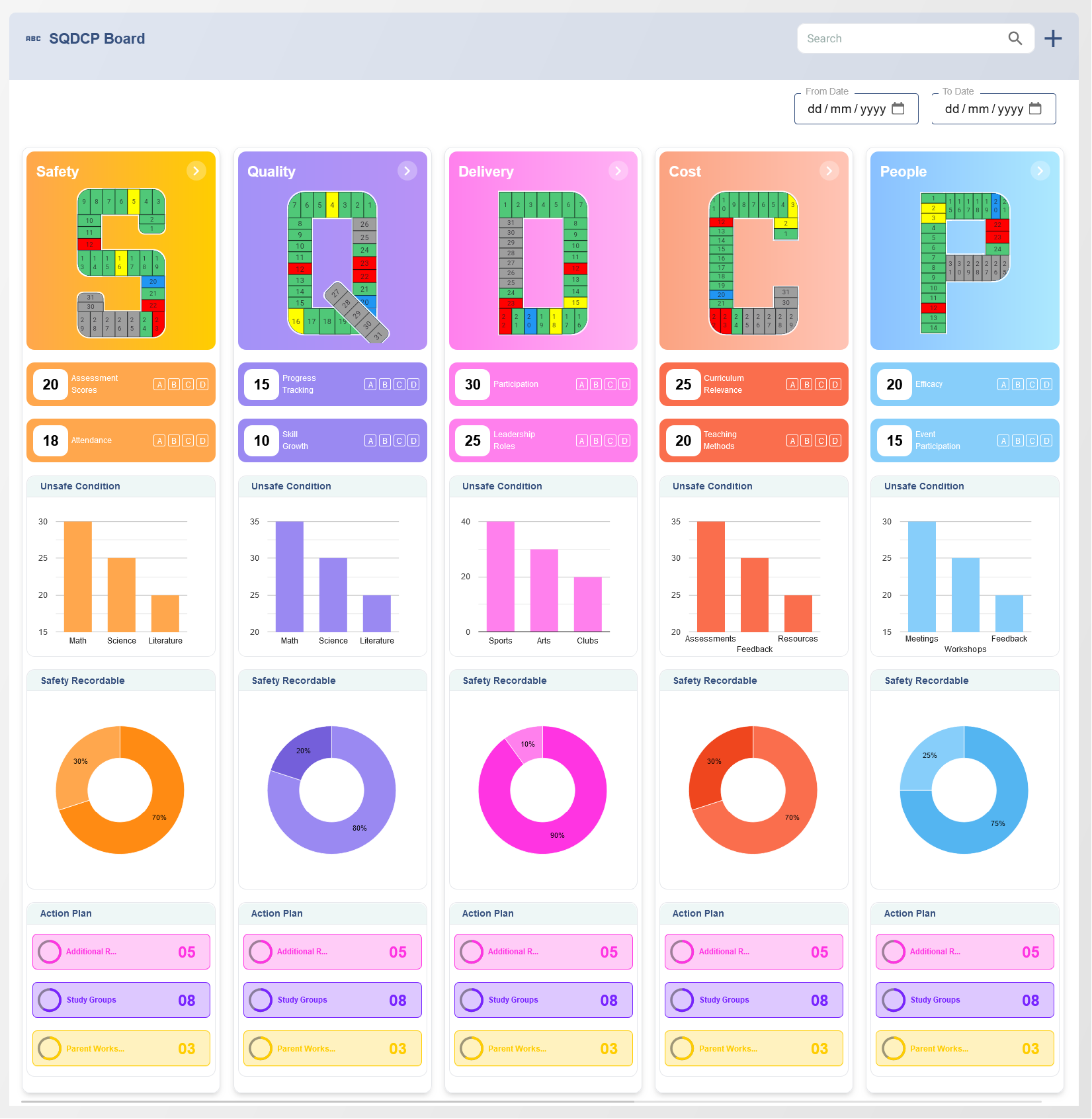
Understanding the Four Perspectives of the Balanced Scorecard
The Balanced Scorecard consists of four main perspectives, each designed to track different aspects of organizational performance. These perspectives help organizations move from short-term financial goals to a balanced, long-term strategy. Below is an overview of each perspective:
- Financial Perspective: This perspective focuses on the financial objectives of the organization, such as revenue growth, profitability, and return on investment. By measuring financial performance, organizations can assess how well their strategies are contributing to the bottom line and ensure that resources are allocated effectively.
- Customer Perspective: The customer perspective measures how well an organization is meeting customer expectations and satisfaction. Metrics in this area may include customer retention rates, satisfaction surveys, market share, and brand loyalty. By understanding customer needs and aligning products or services with those expectations, businesses can enhance customer loyalty and drive growth.
- Internal Processes Perspective: This perspective examines the efficiency and effectiveness of an organization's internal operations. It focuses on identifying key processes that create value for customers and stakeholders. Metrics in this area may include cycle times, quality control measures, operational efficiency, and innovation. By optimizing internal processes, companies can enhance productivity and deliver high-quality products or services to their customers.
- Learning and Growth Perspective: The learning and growth perspective centers on the organization's ability to innovate, improve, and adapt to changing environments. It includes measures related to employee training, skill development, knowledge management, and organizational culture. By fostering a culture of continuous improvement and learning, companies can build the capabilities needed to drive future success and stay competitive in the market.
Benefits of Using a Balanced Scorecard
Implementing the Balanced Scorecard brings several advantages to organizations. Some of the key benefits include:
- Holistic Performance Measurement: The Balanced Scorecard provides a comprehensive view of organizational performance by combining both financial and non-financial metrics. This balanced approach ensures that businesses consider all aspects of their operations, rather than focusing solely on financial outcomes.
- Alignment of Strategy and Operations: The BSC helps align day-to-day activities with long-term strategic objectives. By breaking down high-level goals into specific measures across different perspectives, organizations can ensure that everyone is working toward a common vision.
- Improved Decision-Making: With its focus on key performance indicators (KPIs) across various areas, the Balanced Scorecard empowers management to make data-driven decisions. This enables better resource allocation, more informed business choices, and improved responsiveness to market changes.
- Enhanced Communication and Collaboration: The BSC provides a clear and shared framework for discussing performance metrics across all levels of the organization. This promotes transparency, collaboration, and accountability, ensuring that all employees understand their role in achieving the organization’s goals.
- Continuous Improvement: The Balanced Scorecard encourages organizations to regularly review and assess their performance. By setting measurable goals and tracking progress, companies can identify areas for improvement, adjust strategies, and drive ongoing growth.
How to Implement a Balanced Scorecard
Implementing the Balanced Scorecard in an organization involves a strategic process that requires careful planning, communication, and execution. Below are the key steps involved in implementing a BSC:
- Define Strategic Objectives: The first step in implementing a Balanced Scorecard is to define the organization’s strategic objectives. This involves aligning business goals with the broader mission and vision of the company. The strategic objectives should reflect what the company hopes to achieve in the long term, focusing on growth, profitability, customer satisfaction, and internal process optimization.
- Identify Key Performance Indicators (KPIs): Once strategic objectives are established, the next step is to identify KPIs that measure progress toward these goals. KPIs are quantifiable metrics that indicate how well an organization is performing in each of the four perspectives. For example, financial KPIs might include revenue growth or profit margins, while customer KPIs could include customer satisfaction scores or market share.
- Develop Action Plans: After identifying KPIs, businesses need to develop specific action plans to achieve their strategic objectives. These action plans should outline the steps needed to reach each goal, assign responsibilities, and set timelines for implementation. Action plans should be aligned with the key performance areas outlined in the BSC.
- Track and Monitor Performance: Regular tracking and monitoring are essential for measuring progress against KPIs. Organizations should use dashboards or other reporting tools to continuously evaluate performance and identify areas that need improvement. Tracking performance at regular intervals allows management to make adjustments to strategies and operations as needed.
- Review and Refine the Balanced Scorecard: The Balanced Scorecard is not a one-time exercise but an ongoing process. Regular reviews should be conducted to assess whether the BSC is still aligned with organizational goals and market conditions. If necessary, objectives, KPIs, or action plans should be adjusted to ensure continuous improvement and relevance.
What Is a Balanced Scorecard? A Comprehensive Guide
What is a Balanced Scorecard?
A Balanced Scorecard is a strategic planning and management tool used to align business activities to the vision and strategy of an organization. It provides a comprehensive view of an organization's performance by measuring not only financial outcomes but also customer, internal processes, and learning and growth metrics.
What are the key components of a Balanced Scorecard?
The key components of a Balanced Scorecard are the four perspectives: financial, customer, internal processes, and learning and growth. These perspectives provide a balanced view of an organization's performance by focusing on both short-term financial outcomes and long-term strategic objectives.
How does a Balanced Scorecard help in strategic planning?
A Balanced Scorecard helps in strategic planning by translating an organization's strategy into measurable goals and performance indicators across the four perspectives. This ensures that all aspects of the business are aligned and focused on achieving the strategic objectives.
What are the four perspectives of a Balanced Scorecard?
The four perspectives of a Balanced Scorecard are:
- Financial Perspective: Focuses on financial performance and measures profitability, growth, and return on investment.
- Customer Perspective: Measures customer satisfaction, retention, and acquisition.
- Internal Processes Perspective: Assesses the efficiency and effectiveness of internal processes to deliver value to customers and stakeholders.
- Learning and Growth Perspective: Focuses on employee development, skills, and organizational culture to foster innovation and long-term growth.
How does a Balanced Scorecard measure performance?
A Balanced Scorecard measures performance by setting specific, measurable objectives for each of the four perspectives. These objectives are then tracked through key performance indicators (KPIs) that help organizations assess progress and make adjustments as needed to meet their strategic goals.
What is the difference between a Balanced Scorecard and traditional financial metrics?
The difference between a Balanced Scorecard and traditional financial metrics is that the Balanced Scorecard goes beyond financial outcomes and includes customer satisfaction, internal process efficiency, and employee development. It provides a more holistic view of performance, while traditional financial metrics focus solely on financial results.
How do you implement a Balanced Scorecard in an organization?
To implement a Balanced Scorecard, start by defining the organization's vision, strategy, and goals. Then, identify the key performance indicators (KPIs) for each perspective, set measurable targets, and align them with business processes. Finally, regularly review and update the scorecard to ensure it remains aligned with the organization's strategic objectives.
How do the perspectives in a Balanced Scorecard contribute to business success?
The perspectives in a Balanced Scorecard contribute to business success by ensuring a balanced focus on financial results, customer satisfaction, process efficiency, and employee growth. This holistic approach helps organizations maintain alignment across all areas of the business and achieve long-term success.
What is the role of the customer perspective in the Balanced Scorecard?
The customer perspective in the Balanced Scorecard emphasizes the importance of customer satisfaction, loyalty, and retention. By measuring factors like customer satisfaction, quality, and value, organizations can improve their offerings and build stronger customer relationships.
How can the financial perspective of a Balanced Scorecard help improve profitability?
The financial perspective of a Balanced Scorecard helps improve profitability by focusing on financial metrics like revenue growth, cost control, and return on investment. By tracking these metrics, organizations can make data-driven decisions that enhance profitability and ensure long-term financial health.
How does the internal processes perspective impact efficiency?
The internal processes perspective focuses on improving operational efficiency by measuring the effectiveness and efficiency of business processes. By optimizing internal processes, organizations can reduce costs, improve service delivery, and increase overall productivity.
Why is the learning and growth perspective important in a Balanced Scorecard?
The learning and growth perspective is important because it focuses on employee development, skills enhancement, and organizational culture. It ensures that employees have the necessary capabilities and motivation to contribute to the organization's long-term success and innovation.
How can a Balanced Scorecard help align individual and organizational goals?
A Balanced Scorecard helps align individual and organizational goals by setting clear objectives at every level. Employees' personal goals can be aligned with the broader organizational strategy, ensuring that everyone is working towards the same objectives and contributing to the overall success.
What challenges might organizations face when using a Balanced Scorecard?
Organizations might face challenges such as resistance to change, difficulty in selecting appropriate KPIs, and lack of alignment between strategic objectives and daily activities. To overcome these challenges, organizations need strong leadership, clear communication, and ongoing monitoring and adjustment of the scorecard.
How does the Balanced Scorecard support continuous improvement in an organization?
The Balanced Scorecard supports continuous improvement by providing a framework for tracking and evaluating performance across multiple areas. By regularly reviewing KPIs, organizations can identify areas for improvement and take corrective actions, ensuring ongoing growth and success.