What is Value Stream Mapping, and why is it important?
Value Stream Mapping (VSM) is a lean-management technique used to analyze and design the flow of materials and information required to bring a product or service to a consumer. It is important because it helps identify waste, delays, and inefficiencies in processes, allowing organizations to optimize workflows, reduce costs, and improve overall productivity.
What is Kanban in Value Stream Mapping?
Kanban is a visual system for managing work as it moves through a process. In the context of Value Stream Mapping, Kanban is used to represent and control the flow of work, ensuring that each step in the process is optimally loaded and work-in-progress is limited to avoid bottlenecks.
How does Kanban relate to Value Stream Mapping?
Kanban is a tool that can be used to implement the insights gained from Value Stream Mapping. While VSM identifies inefficiencies and areas for improvement in the process, Kanban helps control and optimize workflow by limiting WIP (Work In Progress), ensuring smoother transitions between steps, and reducing overall cycle time.
Why should you use Kanban for Value Stream Mapping?
Kanban offers a dynamic and visual approach to controlling the flow of work within a Value Stream. By using Kanban in conjunction with VSM, organizations can better manage bottlenecks, balance workloads, and ensure that the flow of work remains steady and efficient throughout the process.
How can you create a Value Stream Map using a Kanban Board?
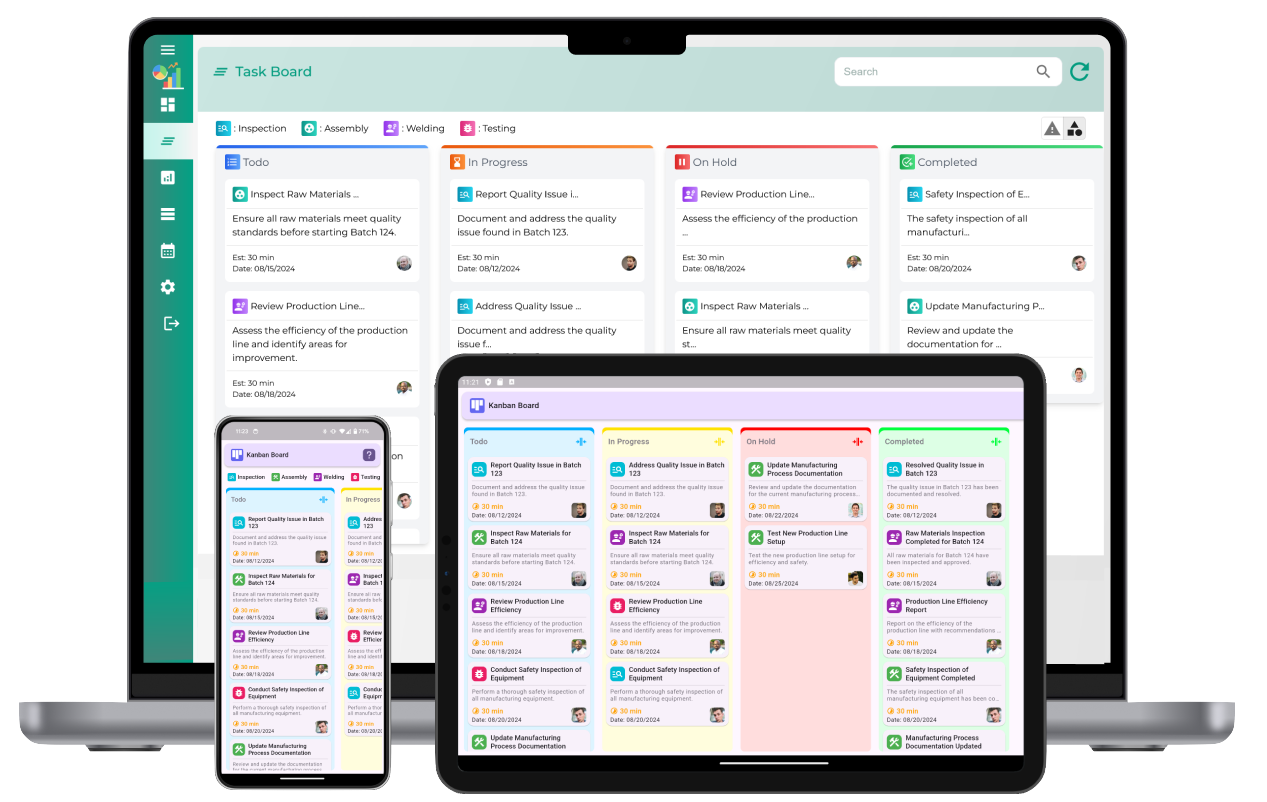
You can create a Value Stream Map using a Kanban board by visualizing each step in the value stream as columns on the board, with each card representing a task or work item. The Kanban board helps to show the flow of tasks between these stages, with WIP limits applied at each stage to ensure smooth flow and avoid congestion.
What are the key benefits of using Kanban in Value Stream Mapping?
The key benefits include improved visibility into workflows, better management of work-in-progress, faster identification and resolution of bottlenecks, increased efficiency, and the ability to adapt more quickly to changing conditions. By using Kanban, organizations can enhance the results of Value Stream Mapping by turning insights into actionable improvements.
What are five tips for successfully implementing Kanban in Value Stream Mapping?
1. Identify the value stream and map out all the steps involved. 2. Apply WIP limits at each stage to prevent bottlenecks. 3. Use color-coding or other visual cues to represent different types of work. 4. Monitor the flow of work and adapt as necessary. 5. Continuously review and improve the system based on real-time feedback.
Why is integrating Kanban with Value Stream Mapping critical for process improvement?
Integrating Kanban with Value Stream Mapping helps turn the theoretical insights gained from mapping into practical, actionable improvements. It allows for real-time monitoring and adjustment of workflows, ensuring that the improvements identified during VSM are sustainable and lead to continuous process improvement.
Can Kanban be applied to Value Stream Mapping across various industries?
Yes, Kanban can be applied across a wide range of industries, from manufacturing to software development, healthcare, and service industries. The key to successful implementation is tailoring the system to the specific needs and workflows of each industry, ensuring that Kanban and VSM can help optimize processes in a variety of contexts.
How can Kanban Boards be tailored to meet the unique requirements of a value stream?
Kanban boards can be customized by adjusting the columns to represent different stages in the value stream. You can also implement specific WIP limits, use color-coded cards for different types of work, and adjust the flow rules to meet the unique needs of the value stream, ensuring it reflects your organization's processes and goals.
What steps should you take before transitioning to a Kanban-based Value Stream Mapping system?
Before transitioning, ensure you have a clear understanding of your current value stream, including all steps and bottlenecks. Define the goals of implementing Kanban and Value Stream Mapping, and involve stakeholders in the process. Make sure your team is trained in the Kanban methodology and ready to adapt to new workflows.
How can you overcome common challenges in implementing Kanban for Value Stream Mapping?
Common challenges include resistance to change, unclear WIP limits, and lack of proper training. These can be overcome by clearly communicating the benefits of Kanban, providing training, setting realistic WIP limits, and continuously monitoring and adapting the system to address issues as they arise.
What are the differences between traditional Value Stream Mapping and the Kanban approach?
Traditional Value Stream Mapping is a static representation of the process, while Kanban is a dynamic system for managing and controlling the flow of work. Kanban provides real-time visibility and the ability to adjust workflows on the fly, whereas traditional VSM is more of a snapshot of the current state of the process without ongoing monitoring and improvement.