The Tcard system is an effective tool for managing various tasks, including incident management in manufacturing and operational environments. Incident management refers to the process of identifying, responding to, and resolving incidents or disruptions that affect normal business operations. Using a TCard system to manage incidents can streamline the entire process, improve response times, and reduce the impact of disruptions. In this article, we explore how the TCard system can be used for incident management, the benefits it offers, and how to effectively implement it in your organization.
What is Incident Management?
Incident management involves the identification, documentation, and resolution of any event that causes a disruption in normal operations. In a business context, incidents can range from equipment breakdowns to safety issues, delays in production, or other unexpected disruptions that hinder productivity or efficiency. The goal of incident management is to minimize downtime, reduce the impact on production, and ensure that the incident is resolved quickly and effectively.
In traditional incident management systems, the process may involve a series of manual procedures, communication between different teams, and complex tracking. By integrating a TCard system, organizations can simplify and automate many of these processes, providing a more efficient way of managing incidents and ensuring that they are resolved in a timely manner.
How Tcard System Supports Incident Management
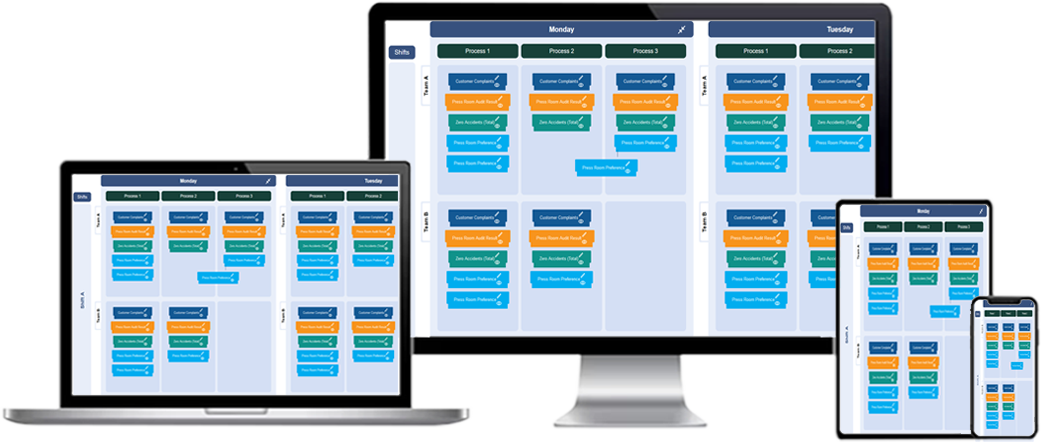
The TCard system uses physical or digital cards to represent tasks, processes, or incidents. These cards are placed on a board that can be moved across different columns or categories, providing a visual representation of the status of each item. When applied to incident management, the TCard system allows organizations to quickly identify and address incidents, improving the overall management process.
Here are the main ways in which the TCard system supports incident management:
1. Visual Tracking
The TCard system’s visual nature makes it easy for teams to see the status of all incidents at a glance. Cards are color-coded or labeled according to the severity of the incident, the department responsible, or the progress made in resolving the issue. This visual representation ensures that all team members and stakeholders are aware of the current status and can act accordingly. For example, incidents in the "Critical" category might be marked with a red card, indicating the need for immediate attention.
2. Centralized Information
In the TCard system, all incident information is centralized in one place, making it easy to track the progress of each incident and ensure that no issue is overlooked. Each card contains essential information such as the incident description, the date and time it occurred, the team or department responsible for resolving it, and any notes or updates related to the incident. This centralized system helps improve communication between teams and provides a complete overview of ongoing incidents.
3. Prioritization of Incidents
One of the challenges in incident management is determining which incidents should be addressed first. The TCard system allows organizations to easily prioritize incidents based on their severity, impact on operations, and available resources. For example, incidents that cause a significant disruption to production or pose a safety risk might be given top priority and moved to the "Urgent" column on the TCard board. This prioritization ensures that the most critical incidents are resolved quickly, minimizing downtime.
4. Real-Time Updates
The TCard system enables real-time updates, which is essential for effective incident management. As incidents are resolved or new information becomes available, team members can update the status of the corresponding TCard. This allows everyone involved in the incident resolution process to stay informed and make necessary adjustments as needed. Real-time updates also prevent miscommunication and ensure that everyone is on the same page.
5. Clear Assignment of Responsibilities
For each incident in the TCard system, a specific team or individual is assigned responsibility for resolving it. The TCard includes details on who is responsible for addressing the incident, what actions need to be taken, and any deadlines that need to be met. This clear assignment of responsibilities helps ensure accountability and prevents tasks from being overlooked or delayed.
6. Root Cause Analysis
After resolving an incident, it’s essential to understand what caused it in the first place to prevent future occurrences. The TCard system can facilitate root cause analysis by capturing detailed notes and updates related to each incident. By reviewing past incidents, teams can identify recurring patterns, analyze the underlying causes, and implement corrective actions to prevent similar issues from arising in the future.
7. Reporting and Analysis
The TCard system provides a rich source of data that can be used for reporting and analysis. Managers can track the frequency of incidents, identify trends, and assess the performance of teams in resolving incidents. This data can be used to generate reports that provide insights into the effectiveness of the incident management process and highlight areas for improvement. Analyzing incident data can also help teams identify potential risks and implement proactive measures to mitigate them.
Steps to Implement Tcard System for Incident Management
Implementing a TCard system for incident management involves several key steps. These steps ensure that the system is used effectively and that incidents are resolved efficiently. Here’s how to implement the TCard system in your organization:
1. Define Incident Categories
Start by defining the different types of incidents that your organization may encounter. This might include equipment breakdowns, safety incidents, supply chain disruptions, or quality control issues. Once the categories are defined, create a corresponding column or section on the TCard board for each category. This allows incidents to be grouped by type, making it easier to track and resolve them.
2. Set Up the TCard Board
Next, set up the TCard board to visually represent the incident management workflow. Typically, the board will have columns for different stages of incident resolution, such as "Reported," "In Progress," and "Resolved." You can customize the stages based on your specific incident management process. Each TCard will move across these columns as the incident progresses, providing a visual representation of the resolution process.
3. Assign Responsibilities
For each incident, assign a team or individual responsible for addressing the issue. Include this information on the TCard so that everyone knows who is handling the incident. Clearly define roles and responsibilities to ensure accountability and prevent delays in resolving incidents.
4. Monitor and Update Progress
Regularly monitor the status of each incident and update the TCard as progress is made. This ensures that the board remains up-to-date and reflects the current state of each incident. Encourage team members to provide timely updates and communicate any changes in the status of the incident.
5. Review and Analyze
Once an incident is resolved, review the details and perform a root cause analysis. Use the TCard system to document lessons learned and corrective actions that need to be taken to prevent similar incidents in the future. This analysis is crucial for improving incident management processes and increasing operational efficiency.
Benefits of Using Tcard System for Incident Management
There are several benefits to using the TCard system for incident management:
- Improved Efficiency: The visual nature of the TCard system makes it easy to track incidents, prioritize tasks, and ensure quick resolutions.
- Enhanced Communication: Centralized information and real-time updates help keep all team members informed and reduce miscommunication.
- Better Accountability: Clear assignment of responsibilities ensures that incidents are addressed by the appropriate individuals or teams.
- Proactive Problem-Solving: The TCard system facilitates root cause analysis and the implementation of corrective actions, reducing the likelihood of recurring incidents.
- Data-Driven Insights: Incident data can be analyzed to identify trends, improve processes, and mitigate risks.
Tcard system incident management
What is incident management in TCard systems?
Incident management in TCard systems refers to the process of tracking, managing, and resolving incidents or issues as they arise within a manufacturing or operational environment. The system helps ensure that incidents are recorded, prioritized, and addressed in a timely manner.
How does the TCard system help with incident management?
The TCard system helps with incident management by providing a visual interface to track incidents, assign tasks, and monitor their resolution status. It enables teams to collaborate, communicate, and address issues more efficiently, ensuring that incidents are resolved quickly and effectively.
What are the key features of TCard system incident management?
Key features of the TCard system for incident management include task tracking, real-time updates, incident prioritization, categorization, and the ability to assign tasks to specific team members. The system also allows for the documentation of incident details, including timelines, status, and resolutions.
How can TCard system improve response times in incident management?
The TCard system improves response times by providing a centralized platform where incidents are immediately visible, allowing teams to quickly assess the situation and respond. Real-time updates and notifications ensure that everyone is aware of the status and necessary actions, minimizing delays.
Can TCard systems track the status of incidents?
Yes, TCard systems allow for real-time tracking of incident statuses. This includes details about the current phase of resolution, responsible parties, and any ongoing updates. This visibility ensures that team members are always informed about the progress of each incident.
How does TCard incident management prioritize incidents?
TCard systems prioritize incidents based on predefined criteria, such as the severity of the incident, its impact on operations, and the urgency of resolution. High-priority incidents can be flagged and escalated to ensure they are handled first, minimizing disruptions.
Can TCard systems handle multiple incidents at once?
Yes, TCard systems are designed to handle multiple incidents simultaneously. The system allows users to track and manage several incidents, ensuring that each one is given attention according to its priority and resolution status without overwhelming the team.
What are the benefits of using TCard for incident management?
Benefits of using TCard for incident management include improved visibility into incident status, better communication among teams, faster response times, and the ability to analyze incident trends for continuous improvement. The system helps keep everything organized, preventing issues from being overlooked.
How can TCard systems improve communication during incident management?
TCard systems improve communication by offering a shared platform where updates, tasks, and incident details are easily accessible to all team members. Notifications and real-time updates help keep everyone on the same page, reducing the risk of miscommunication during critical situations.
Does the TCard system integrate with other incident management tools?
Yes, TCard systems can integrate with other incident management tools and systems, allowing for seamless data sharing and process coordination. This ensures that incident management workflows are efficient and that all relevant systems are synchronized for optimal performance.
Can TCard software help in preventing future incidents?
Yes, by tracking incident trends, root causes, and resolutions, TCard systems can help identify recurring issues and potential risks. This data can be used to implement preventative measures, improving future incident management processes and reducing the likelihood of similar incidents occurring.
How does TCard system help in reporting incidents?
The TCard system provides easy-to-use reporting tools that allow users to generate reports on incident status, resolution times, and team performance. These reports can be used for analysis, audits, and improving future incident management strategies.
How does the TCard system track incident resolution?
TCard systems track incident resolution by providing a clear workflow from incident detection to resolution. Each incident's status is updated as it progresses through different stages, and resolution details are logged to ensure all steps are documented and completed efficiently.
What role does TCard play in post-incident reviews?
TCard software plays a key role in post-incident reviews by offering data on incident timelines, resolutions, and any issues encountered. This information can be analyzed to identify areas for improvement, refine processes, and develop strategies for preventing future incidents.
How does TCard system improve overall incident management efficiency?
The TCard system improves overall incident management efficiency by centralizing incident tracking, facilitating quick responses, enabling better communication, and offering insights for continuous improvement. These features streamline the incident management process, reducing downtime and enhancing team performance.