What Does SQDCP Stand For and Why Does It Matter in Operations?
Understanding the Meaning of SQDCP
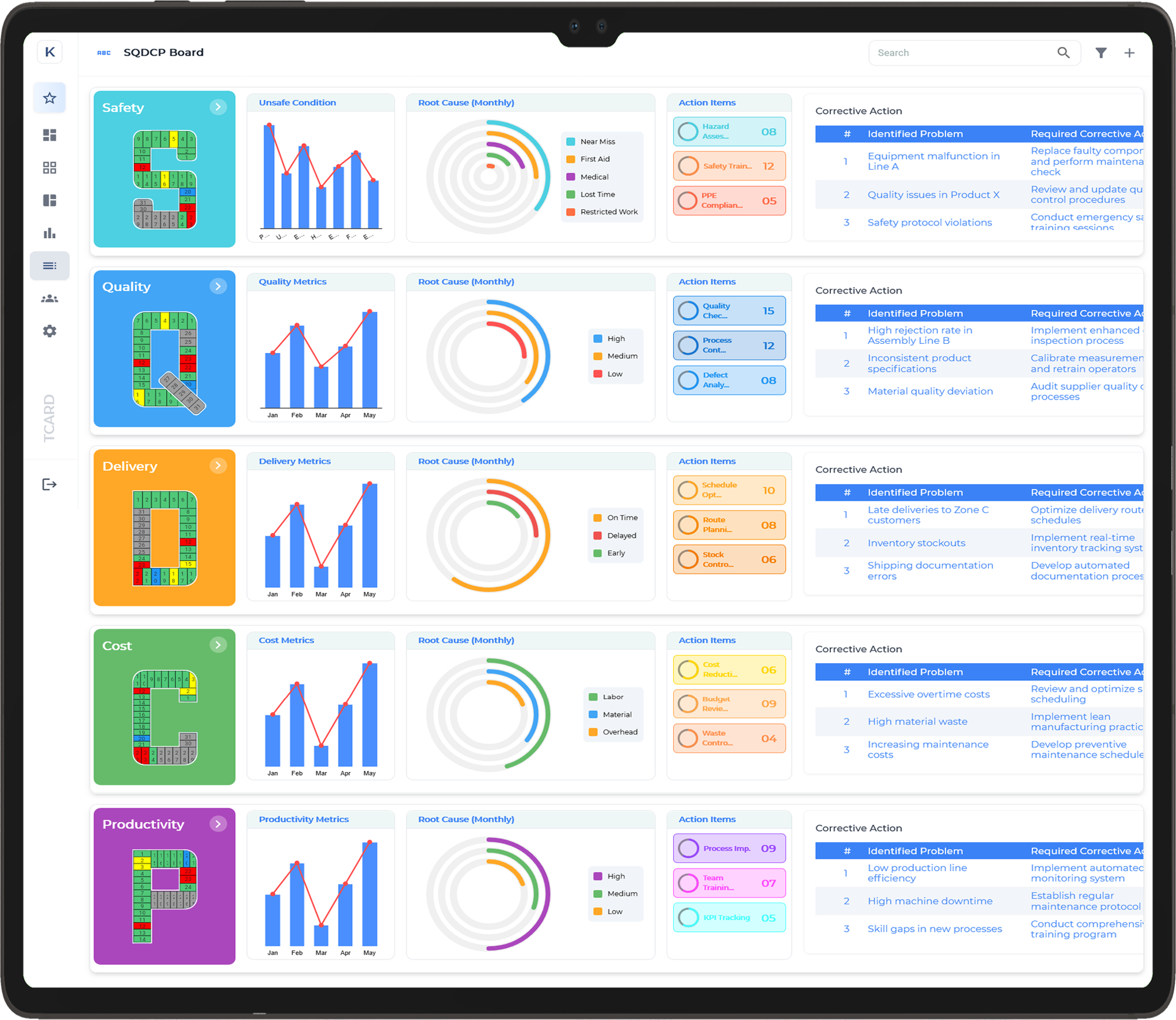
SQDCP stands for Safety, Quality, Delivery, Cost, and People. It is a structured approach used in operational settings to monitor and improve performance across these five key areas. Each category represents a core element of successful operations and plays a vital role in supporting efficiency, consistency, and team wellbeing.
Why Safety Comes First
Safety is the foundation of any productive workplace. Tracking safety helps reduce accidents and create a secure environment for everyone. A strong focus on safety leads to fewer disruptions and shows care for the wellbeing of employees.
Maintaining Quality Standards
Quality ensures that products or services meet required standards. By measuring quality daily, teams can quickly identify defects or errors, take corrective action, and prevent waste. High quality supports customer satisfaction and reduces rework.
Delivering on Time, Every Time
Delivery refers to meeting production targets and deadlines. Monitoring delivery helps teams stay on schedule and meet customer expectations. Consistent delivery performance strengthens trust and improves planning accuracy.
Keeping Costs Under Control
Cost tracking highlights where resources are being used efficiently—or wasted. It helps identify areas to reduce expenses without affecting output or quality. Managing costs well contributes to stronger financial performance.
Valuing People in the Process
People represents employee morale, engagement, and involvement. A motivated and informed team performs better, shares ideas, and supports continuous improvement. By including people in the framework, SQDCP ensures that human factors are never overlooked.
The Role of Safety in Driving Reliable, Consistent Performance
Why Safety Must Be a Top Priority
Safety is more than just avoiding accidents—it forms the base for reliable and consistent operations. When workers feel safe, they can focus on their tasks without distraction or fear. A safe environment reduces disruptions and creates a steady workflow, which supports long-term performance and quality output.
Reducing Downtime and Operational Risks
Unsafe working conditions often lead to injuries, equipment damage, or emergency shutdowns. These events cause unplanned downtime and affect productivity. By focusing on safety, businesses reduce these risks and keep operations running smoothly. Fewer disruptions mean better delivery rates and fewer missed targets.
Encouraging a Culture of Responsibility
Promoting safety helps build a culture where everyone takes responsibility for their actions and surroundings. When safety checks and reporting are part of daily routines, employees become more aware and proactive. This attitude often spreads into other areas such as quality and process improvement.
Supporting Long-Term Workforce Stability
Maintaining a safe workplace helps retain experienced staff and reduce turnover. Workers are more likely to stay in environments where their health and wellbeing are valued. A stable team leads to more consistent output, fewer training gaps, and a stronger overall performance.
Using Safety Data to Drive Improvements
Daily tracking of safety incidents and near misses provides valuable insights. These can be used to improve processes, equipment layout, and training. Over time, acting on this data leads to safer, more efficient operations and supports continuous improvement goals.
Tracking Quality Issues Daily to Prevent Recurring Mistakes
Why Daily Quality Monitoring Matters
Tracking quality issues each day helps identify problems before they grow. By keeping a close eye on product defects, rework, or process failures, teams can respond quickly and avoid repeating the same mistakes. This daily focus leads to more reliable output and better customer satisfaction.
Spotting Patterns Early
When quality issues are logged and reviewed regularly, teams begin to notice patterns. A recurring defect might point to a faulty machine, unclear instructions, or inconsistent materials. Spotting these trends early allows teams to take corrective action before larger batches are affected.
Supporting Root Cause Analysis
Daily tracking makes it easier to trace problems back to their source. Whether it’s a change in process or a training gap, identifying the root cause is key to preventing future errors. This helps reduce waste and keeps production flowing smoothly.
Improving Team Awareness and Accountability
When quality data is made visible on an SQDCP board, everyone in the team becomes more aware of the impact of their work. It builds a sense of ownership and encourages people to check their work more carefully, helping reduce avoidable mistakes.
Strengthening Continuous Improvement
By reviewing quality performance daily, teams can test small changes and see what works. Over time, these small improvements build up to significant gains in quality. This approach supports long-term efficiency and a strong commitment to getting things right the first time.
How Delivery Metrics Keep Production on Schedule
Why Delivery Performance Matters
Delivery metrics track whether products are completed and handed over on time. Meeting these targets is essential for customer satisfaction, production flow, and overall efficiency. When delivery performance is closely monitored, teams are better able to manage workloads and avoid delays.
Identifying Bottlenecks Quickly
By updating delivery metrics daily, teams can spot slowdowns or missed targets early. A drop in performance may point to equipment issues, staffing shortages, or supply delays. Early detection allows for quicker responses and helps prevent small problems from affecting the full schedule.
Improving Coordination Across Departments
Delivery metrics help different teams align their efforts. When everyone is working toward shared delivery goals, communication improves. Teams can adjust shift planning, reassign tasks, or speed up approvals to keep things moving on time.
Using Data to Plan Ahead
Tracking daily delivery performance helps teams predict trends and adjust future schedules. For example, if targets are consistently missed on a certain day, it may suggest the need for better planning or extra support during that time. Data-driven adjustments lead to more accurate forecasts and smoother production runs.
Building Trust Through Consistency
When products are delivered on time, it builds trust with both internal teams and customers. Reliable delivery creates a dependable work rhythm, reduces last-minute pressure, and contributes to a more stable and productive operation overall.
Monitoring Cost Control Through Real-Time Visual Boards
Keeping Costs Visible and Manageable
Real-time visual boards make it easier to track and control costs on the factory floor. By displaying daily updates on material use, overtime, energy, or waste, teams can see exactly where money is being spent. This visibility helps everyone stay focused on using resources wisely.
Highlighting Unplanned Expenses
Visual boards can quickly reveal cost overruns, such as extra labour hours or high scrap rates. When a section turns red or shows an increase, teams can investigate the cause and act fast. This daily awareness prevents small issues from becoming large, costly problems.
Supporting Smarter Decision-Making
With clear and up-to-date cost information, team leaders can make better decisions. For example, if a process is creating unnecessary waste, it can be adjusted or improved. Cost boards help teams weigh options and find savings without reducing quality or efficiency.
Encouraging Team Responsibility
When cost figures are shared openly, everyone feels more responsible for staying within budget. Operators, supervisors, and support staff can all see the results of their actions. This shared responsibility promotes better habits and encourages a culture of cost awareness.
Driving Continuous Cost Improvement
Monitoring costs daily creates more opportunities to make small improvements. Over time, these efforts lead to significant savings. Whether it’s reducing rework, using materials more efficiently, or managing overtime better, real-time boards help teams improve step by step.
Why People (Morale) Is a Core Metric in Modern Manufacturing
Recognising the Value of the Workforce
In modern manufacturing, people are more than just operators—they’re the drivers of quality, safety, and innovation. Tracking morale as part of daily performance helps ensure that the team is motivated, supported, and ready to give their best. A positive work environment leads to higher productivity and fewer disruptions.
Morale and Its Impact on Performance
When morale is high, teams work with greater focus, take more pride in their work, and are more likely to solve problems proactively. Low morale, on the other hand, can lead to absenteeism, mistakes, and reduced output. By monitoring morale, teams can catch early signs of disengagement and take steps to address them.
Daily Check-Ins Build Stronger Teams
Using simple tools like mood charts or open feedback on the SQDCP board gives employees a voice in daily meetings. These check-ins show that management values team wellbeing and encourages open communication. Over time, this builds trust and improves teamwork across shifts and departments.
Linking Morale to Continuous Improvement
Engaged teams are more likely to contribute ideas for improvement and support new processes. Tracking people-related data helps managers spot training needs, recognise achievements, and keep teams involved. High morale supports a culture where continuous improvement is part of everyday work, not just a target from above.
Creating a Culture of Respect and Inclusion
Measuring morale shows that people matter just as much as performance numbers. It helps create a workplace where respect, recognition, and support are part of the culture—key factors in building a successful and sustainable manufacturing environment.
How to Set Up and Use an SQDCP Board on Your Shop Floor
Choosing the Right Location
Start by placing the SQDCP board in a high-traffic area where all team members can see and access it easily. Ideal spots include near workstations, break areas, or meeting points. A visible location encourages regular use and keeps performance front of mind throughout the day.
Designing Clear Sections
Divide the board into five sections: Safety, Quality, Delivery, Cost, and People. Use clear headings, colour codes, and space for daily updates. Each section should track relevant metrics such as incidents, defects, output, waste, and morale. Keeping the layout simple helps everyone read and understand it quickly.
Setting Up Easy Update Tools
Use practical tools like dry-erase markers, coloured cards, magnets, or stickers for quick updates. Green, yellow, and red indicators are often used to show whether targets are being met, need attention, or are off track. This visual system allows instant understanding of the day’s status.
Involving the Whole Team
Assign responsibility for updating each section to different team members. Involving the team promotes ownership and ensures the board reflects real conditions. Make the board part of daily stand-ups to review performance, raise concerns, and agree on next steps.
Using the Board for Continuous Improvement
Encourage the team to discuss what’s working and what needs improving. If an area stays red, talk about root causes and solutions. Over time, the SQDCP board becomes more than just a tracking tool—it becomes a driver for better habits, teamwork, and operational results.
Daily Stand-Up Meetings: Making the Most of Your SQDCP Board
Starting the Day with Clear Focus
Daily stand-up meetings using an SQDCP board help teams begin each shift with clarity and purpose. By reviewing key performance areas—Safety, Quality, Delivery, Cost, and People—everyone knows what’s going well, what needs attention, and where support is needed. These quick meetings set the tone for the day.
Creating a Simple Meeting Structure
Keep the stand-up short and focused, ideally under 15 minutes. Begin with Safety and move through each section of the board in order. Ask the team member responsible to give a quick update for each area. Use colour indicators to guide the conversation—green for on target, yellow for caution, and red for off track.
Encouraging Team Participation
Stand-up meetings work best when everyone is involved. Encourage team members to share updates, raise issues, or suggest improvements. When people feel heard, they become more engaged and proactive in solving problems and supporting each other.
Turning Issues into Action
If a section is marked red or yellow, take time to ask why and what can be done. Assign short-term actions if needed, and follow up the next day. This habit of quick problem-solving helps prevent small issues from growing into larger ones.
Building Consistency and Accountability
Using the SQDCP board every day creates a routine that teams can rely on. It builds discipline, strengthens accountability, and keeps everyone aligned with performance goals. Over time, daily stand-ups drive steady improvement and stronger team communication.
Digital SQDCP Boards vs Traditional Whiteboards: Which Is Best?
Understanding the Two Approaches
SQDCP boards can be used in both digital and traditional formats. Traditional whiteboards are physical boards updated manually, often with markers, magnets, or coloured cards. Digital versions are screen-based and updated using software, allowing real-time access and remote viewing. Both serve the same purpose—tracking Safety, Quality, Delivery, Cost, and People—but in different ways.
Benefits of Traditional Whiteboards
Whiteboards are simple, visible, and easy for teams to interact with directly. They encourage hands-on involvement and daily engagement, especially on the shop floor. No technical skills are needed, and updates can be made quickly during stand-up meetings. They are ideal for smaller teams or areas without access to screens.
Advantages of Digital SQDCP Boards
Digital boards offer real-time data updates, better record-keeping, and easier sharing across departments or locations. They can store trends, support data analysis, and reduce manual effort. This makes them a great choice for larger teams or companies aiming to link performance data to broader systems.
Choosing the Right Fit for Your Team
The best option depends on your team’s size, location, and needs. A traditional whiteboard may suit teams looking for simplicity and face-to-face collaboration. A digital board may be better for those needing more detailed tracking and access to historical data. Some teams even use a mix of both to balance hands-on use with digital reporting.
Colour Coding and KPI Indicators: How to Spot Issues Quickly
Making Performance Visible at a Glance
Colour coding and KPI indicators are powerful tools for visual management. On an SQDCP board, they help teams quickly understand how each area is performing. By using colours such as green, yellow, and red, you can instantly spot what’s on track, what needs attention, and where action is required.
Setting Clear Visual Standards
Each colour should have a clear meaning agreed upon by the team. For example, green may mean targets are met, yellow could show a warning or a dip in performance, and red signals a problem that needs immediate action. These visual cues remove guesswork and keep everyone aligned.
Using Daily KPI Updates to Drive Action
By updating key performance indicators daily—such as safety incidents, defect rates, delivery output, cost variances, and team morale—teams get real-time feedback. If a metric turns red, it triggers a discussion and quick problem-solving during the daily stand-up meeting.
Encouraging Team Accountability
When KPIs are visible and easy to read, team members become more aware of how their work affects results. This awareness encourages ownership and accountability. Everyone can clearly see progress and know where to focus their efforts.
Tracking Trends and Spotting Patterns
Over time, colour-coded KPI data helps reveal trends. For example, if a certain area is frequently marked yellow or red, it might need process changes or extra support. These insights support long-term improvement and smarter decision-making.
Using SQDCP Data to Drive Continuous Improvement Projects
Turning Daily Insights into Long-Term Gains
SQDCP boards provide valuable daily data across key performance areas—Safety, Quality, Delivery, Cost, and People. When this data is collected and reviewed over time, it becomes a strong foundation for launching continuous improvement projects. Regular tracking reveals patterns and highlights where change can make a lasting impact.
Identifying the Right Improvement Areas
Consistently red or yellow indicators on the board are clear signs that something needs attention. Whether it’s a rise in defects, late deliveries, or increased waste, these signals help teams choose the right focus for improvement projects. Data removes guesswork and points directly to problem areas.
Using Root Cause Analysis to Support Change
Once a recurring issue is identified, teams can use tools like root cause analysis to dig deeper. SQDCP data helps clarify what’s happening, when, and how often. This understanding allows teams to propose targeted solutions based on real evidence rather than assumptions.
Measuring the Success of Improvements
As projects are rolled out, updated SQDCP data shows whether changes are working. A shift from red to green across key metrics confirms improvement, while continued issues may suggest further action is needed. This feedback loop supports ongoing learning and development.
Encouraging a Team-Driven Approach
When teams are involved in both tracking performance and leading improvements, they take greater ownership. SQDCP boards make this possible by turning data into action and helping teams continuously refine how they work.
Linking SQDCP Boards with Lean Tools like 5S and Root Cause Analysis
Creating a Unified Improvement Approach
SQDCP boards work best when linked with other Lean tools such as 5S and root cause analysis. Together, they provide a structured way to identify, manage, and solve problems on the shop floor. By combining daily performance tracking with hands-on improvement tools, teams can drive better results faster.
Using 5S to Support SQDCP Metrics
The 5S method—Sort, Set in order, Shine, Standardise, and Sustain—helps create a clean, organised, and efficient workspace. This directly supports areas tracked on the SQDCP board, especially Safety and Delivery. A tidy workspace reduces hazards and improves flow, making it easier to hit performance targets consistently.
Applying Root Cause Analysis to Red Indicators
When an item on the SQDCP board turns red, it signals the need for further investigation. Root cause analysis helps dig deeper into why the issue occurred. Whether using basic tools like the “5 Whys” or more structured approaches, finding and fixing the cause helps prevent the same problems from recurring.
Linking Improvements Back to the Board
Once a root cause is addressed or a 5S activity is completed, teams can track the results directly through the SQDCP board. A shift from red to green confirms the improvement is working. This makes the board not just a tracker but a central part of the improvement cycle.
Strengthening Daily Lean Habits
When SQDCP is used alongside 5S and root cause tools, teams build stronger daily habits. These tools reinforce each other, supporting a culture where small problems are solved quickly and bigger challenges are tackled with shared responsibility.
Boosting Team Engagement and Ownership with SQDCP Tracking
Making Performance Visible to Everyone
SQDCP tracking encourages team engagement by making daily performance clear and accessible. When team members can see the status of Safety, Quality, Delivery, Cost, and People at a glance, they feel more involved in the results. Visibility creates a sense of shared responsibility for reaching daily targets.
Encouraging Active Participation
Assigning different team members to update and manage each section of the SQDCP board encourages hands-on involvement. This routine helps employees take ownership of their work areas, speak up when issues arise, and contribute ideas for improvement during daily meetings.
Building a Culture of Recognition
Positive changes shown on the board—such as moving from red to green—offer opportunities to recognise team efforts. Simple acknowledgement of these wins helps boost morale and motivates everyone to stay focused on continuous improvement. Recognition becomes a key part of the daily routine.
Turning Feedback into Action
When employees know their input is taken seriously, engagement increases. By using the board to highlight concerns and follow up with action, teams learn that their voice matters. This trust strengthens communication and builds a more open, supportive work environment.
Creating a Stronger Connection to Goals
Daily SQDCP tracking helps individuals understand how their role fits into the bigger picture. This link between personal effort and team performance builds pride and ownership. Over time, engaged employees are more likely to take initiative, share ideas, and help drive improvements forward.
Customising SQDCP Boards to Match Your Organisation’s Goals
Adapting the Board to Reflect Key Priorities
Every organisation has its own goals, and your SQDCP board should reflect them. While the five core areas—Safety, Quality, Delivery, Cost, and People—remain standard, the specific metrics used in each section can be customised to suit your business needs. This ensures the board remains relevant and aligned with strategic objectives.
Choosing the Right Indicators for Each Section
Begin by identifying what success looks like for your team. For example, if customer satisfaction is a priority, the Quality section might track complaints or defect rates. If efficiency is a focus, the Cost section could monitor overtime hours or waste reduction. Tailored indicators make tracking more meaningful.
Using Language and Formats That Fit Your Team
Customising the board isn’t just about what you measure—it’s also about how you present it. Use simple terms your team understands and formats that suit your workplace, whether that’s colour codes, charts, or symbols. Making the board easy to read encourages regular use and clearer communication.
Reviewing and Adjusting as Goals Evolve
Your organisational goals may change over time, and your SQDCP board should change with them. Set regular review points to check if the current indicators are still aligned with your strategy. This flexibility keeps the board focused on what matters most and ensures continued engagement from the team.
Supporting Strategic Alignment from the Ground Up
A customised SQDCP board helps connect daily operations to larger business goals. It ensures every team member understands how their work contributes to overall success, creating stronger alignment, accountability, and motivation across the shop floor.
Real-Life Examples of SQDCP Boards Transforming Factory Performance
Reducing Workplace Incidents Through Daily Safety Tracking
One factory saw a sharp drop in minor injuries by using an SQDCP board to track safety daily. By logging near misses and raising concerns in daily meetings, the team identified recurring hazards. Small changes—like clearer walkways and better signage—led to a safer working environment within weeks.
Improving Product Quality with Visual Feedback
Another site used its SQDCP board to monitor defect rates closely. Quality issues were recorded daily, and patterns quickly emerged. The team noticed that most errors came from one particular step in the process. After adjusting training and updating work instructions, defect levels fell by 40% in just two months.
Boosting On-Time Delivery Through Better Scheduling
A production team struggled with meeting delivery deadlines. Their SQDCP board revealed frequent delays linked to raw material shortages. With this insight, the team worked closely with the supply department to improve stock planning. As a result, on-time delivery performance rose steadily over the next quarter.
Controlling Costs with More Team Awareness
One facility reduced unnecessary overtime by using the board to track daily hours and production output. When the team saw how much overtime was being used, they took action to improve shift planning and reduce downtime. This led to noticeable cost savings and better use of resources.
Strengthening Morale by Celebrating Small Wins
Another factory used the People section of the board to gather team feedback and recognise achievements. Simple gestures like celebrating safe working days or praising good ideas boosted morale, creating a more engaged and motivated team environment.