What Is Lean Automation Machinery Manufacturing?
Understanding Lean Automation in Modern Manufacturing
Lean Automation Machinery Manufacturing focuses on designing and developing advanced machinery that integrates automation with lean manufacturing principles. The goal is to create highly efficient production systems that minimize waste, reduce operational costs, and improve productivity. By combining intelligent machinery, streamlined workflows, and optimized production processes, manufacturers can achieve consistent product quality while maintaining faster production cycles.
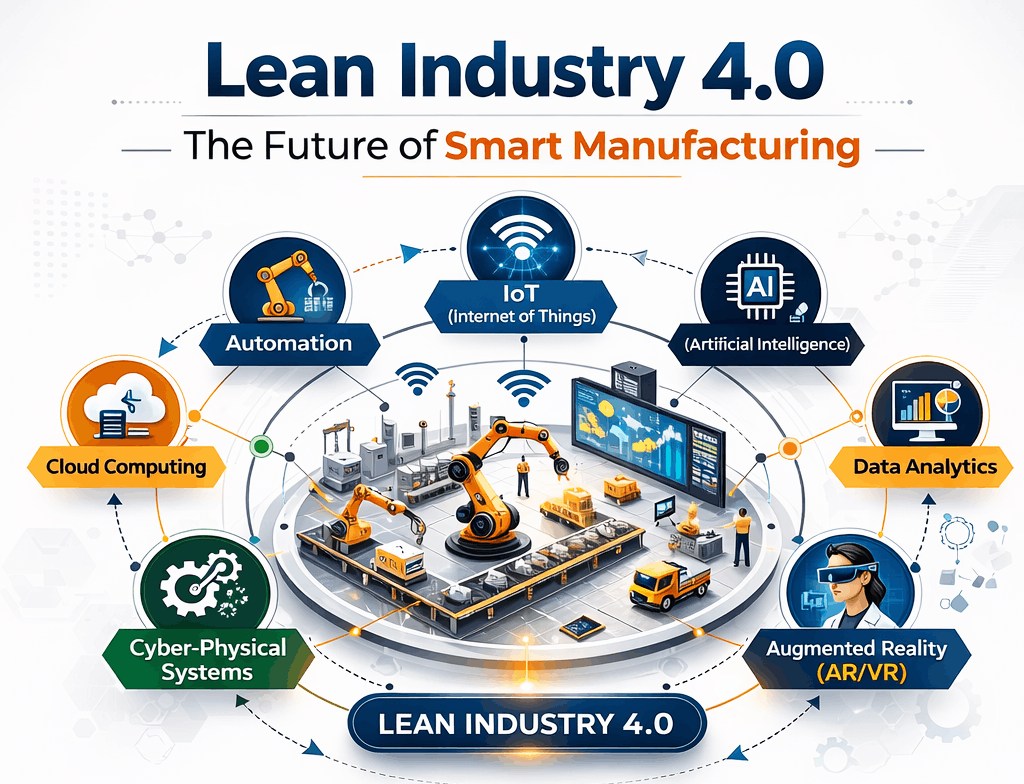
Key Components of Lean Automation Machinery
Lean automation machinery incorporates several advanced technologies and engineering principles. These include automated production systems that reduce manual intervention, industrial robotics that handle repetitive or precision tasks, and intelligent control systems that monitor and optimize machine performance. In addition, sensor-based monitoring and real-time data tracking help manufacturers identify inefficiencies and improve process accuracy. These components work together to ensure efficient and reliable manufacturing operations.
Improving Manufacturing Efficiency
By implementing lean automation machinery, manufacturers can streamline production workflows and eliminate unnecessary steps in the manufacturing process. Automated machinery ensures consistent output, reduces human error, and improves production speed. Technologies such as smart control systems, automated assembly lines, and predictive maintenance tools allow factories to operate more efficiently while reducing downtime and maintenance costs.
The Future of Lean Automation in Industry
Lean automation continues to play a critical role in the evolution of modern manufacturing. As industries adopt smarter technologies and more advanced automation systems, production environments are becoming more flexible, scalable, and data-driven. By investing in lean automation machinery, companies can remain competitive, increase operational efficiency, and build sustainable manufacturing systems for the future.
Lean Manufacturing Principles in Machinery Design
Reducing Waste Through Intelligent Design
Lean manufacturing principles focus on eliminating waste and improving efficiency throughout the production process. When applied to machinery design, lean concepts ensure that equipment is built to perform tasks with minimal energy consumption, reduced material waste, and improved productivity.
Designing for Efficiency
Lean-focused machinery is designed to streamline workflows and eliminate unnecessary steps in production. Engineers develop machines that support continuous production, faster cycle times, and reduced operational complexity.
Improving Production Flow
By incorporating lean principles into machinery design, manufacturers can create equipment that improves the overall production flow. This ensures smoother operations, fewer bottlenecks, and better resource utilization.
Supporting Continuous Improvement
Lean manufacturing encourages continuous improvement. Machinery designed with lean principles can be easily upgraded, adjusted, or optimized to support evolving production requirements.
Industrial Automation Systems for Efficient Production
Automating Manufacturing Processes
Industrial automation systems use advanced technologies to control machinery and production processes automatically. These systems reduce manual intervention while increasing production accuracy and efficiency.
Improving Production Speed
Automation technologies allow machines to operate continuously with minimal interruptions. This increases production speed and ensures consistent product quality across large manufacturing volumes.
Enhancing Operational Reliability
Automated systems improve operational reliability by reducing human errors and ensuring precise control over manufacturing processes.
Supporting Modern Manufacturing Environments
Industrial automation plays a crucial role in modern manufacturing by helping organisations maintain efficient and scalable production operations.
Custom Machinery Design and Engineering Solutions
Tailored Equipment for Specific Industries
Custom machinery design focuses on creating equipment that meets the unique requirements of different industries and production environments.
Engineering Innovation
Engineers combine mechanical design, automation technologies, and advanced control systems to build machines that improve efficiency and productivity.
Improving Production Flexibility
Custom-built machines allow manufacturers to adapt their production lines to changing market demands and product variations.
Delivering Reliable Industrial Solutions
Through precise engineering and quality manufacturing, custom machinery helps businesses achieve reliable and efficient production processes.
Automated Assembly Line Solutions
Streamlining Production Lines
Automated assembly lines integrate machinery, robotics, and control systems to perform repetitive production tasks efficiently.
Improving Productivity
Automation enables faster assembly processes while maintaining consistent product quality.
Reducing Manual Labor
By automating repetitive tasks, manufacturers can reduce dependence on manual labor while improving workplace safety.
Supporting High-Volume Manufacturing
Automated assembly lines are ideal for high-volume production environments where speed and consistency are essential.
Industrial Robotics in Lean Manufacturing
Automating Precision Tasks
Industrial robots perform complex and repetitive tasks with high precision and consistency, making them valuable in lean manufacturing environments.
Improving Workplace Safety
Robots can handle hazardous tasks, reducing risks for human workers and improving overall workplace safety.
Enhancing Production Flexibility
Modern robotic systems can adapt to different tasks, allowing manufacturers to switch production processes more easily.
Supporting Efficient Manufacturing
By integrating robotics with lean manufacturing principles, companies can improve productivity and maintain high-quality production standards.
Smart Manufacturing and Connected Machinery
Connecting Machines and Systems
Smart manufacturing integrates digital technologies with industrial machinery to create connected production environments.
Real-Time Monitoring
Connected machinery allows manufacturers to monitor production performance, equipment health, and workflow efficiency in real time.
Improving Decision-Making
Access to real-time production data helps managers make informed decisions that improve productivity and operational performance.
Creating Intelligent Production Systems
Smart manufacturing technologies enable factories to operate more efficiently and adapt quickly to changing production demands.
Process Optimization Through Lean Automation
Eliminating Inefficiencies
Process optimization focuses on improving manufacturing workflows by eliminating unnecessary steps and improving production efficiency.
Using Data for Improvement
Modern automation systems collect operational data that can be analysed to identify opportunities for improvement.
Increasing Productivity
Optimized processes allow manufacturers to produce more products in less time while maintaining high quality standards.
Supporting Continuous Improvement
Lean automation encourages continuous improvement by enabling organisations to refine their production processes over time.
Automated Quality Control and Inspection Systems
Maintaining Product Quality
Automated inspection systems ensure that products meet strict quality standards during the manufacturing process.
Using Advanced Detection Technologies
Modern quality control systems use sensors, cameras, and AI-powered tools to detect defects or irregularities.
Improving Production Accuracy
Automation helps maintain consistent product quality while reducing the risk of human error.
Enhancing Customer Satisfaction
Reliable quality control processes help manufacturers deliver high-quality products that meet customer expectations.
Automated Material Handling and Conveying Systems
Efficient Movement of Materials
Material handling systems automate the movement of raw materials, components, and finished goods throughout the production facility.
Improving Workflow Efficiency
Automated conveyors, robotic handlers, and smart storage systems streamline production workflows.
Reducing Manual Handling
Automation reduces the need for manual material transport, improving safety and operational efficiency.
Supporting Continuous Production
Efficient material handling systems ensure that production lines operate smoothly without interruptions.
Energy-Efficient Machinery and Sustainable Manufacturing
Reducing Energy Consumption
Energy-efficient machinery helps manufacturers reduce power usage while maintaining high production performance.
Supporting Sustainable Manufacturing
Modern machinery is designed to minimize environmental impact by improving energy efficiency and reducing waste.
Lowering Operational Costs
Energy-efficient systems reduce operational expenses while supporting sustainable industrial practices.
Promoting Eco-Friendly Production
Sustainable machinery solutions help organisations meet environmental goals and regulatory requirements.
Integration with Industry 4.0 Technologies
Combining Automation and Digital Technologies
Lean automation machinery can be integrated with Industry 4.0 technologies to create intelligent manufacturing systems.
Real-Time Data Connectivity
Connected machines collect and share data that helps organisations monitor and optimize production processes.
Enhancing Production Intelligence
Digital integration enables smarter decision-making through data analytics and advanced monitoring tools.
Supporting the Smart Factory Vision
Integration with Industry 4.0 technologies enables manufacturers to build highly efficient and connected production environments.
Predictive Maintenance for Automated Machinery
Monitoring Equipment Health
Predictive maintenance systems monitor machine performance using sensors and data analysis.
Preventing Unexpected Failures
Early detection of potential problems allows maintenance teams to resolve issues before equipment breaks down.
Reducing Downtime
Scheduled maintenance based on predictive insights reduces unexpected production interruptions.
Improving Equipment Lifespan
Regular monitoring and predictive analysis help maintain machinery in optimal operating condition.
Scalable Production Systems for Modern Industries
Adapting to Changing Demand
Scalable production systems allow manufacturers to increase or decrease production capacity based on market demand.
Flexible Manufacturing Infrastructure
Modern automation systems are designed to support flexible manufacturing processes.
Supporting Business Growth
Scalable production capabilities help organisations expand operations without major disruptions.
Ensuring Long-Term Efficiency
Flexible and scalable systems ensure that production operations remain efficient as business needs evolve.
The Future of Lean Automation in Manufacturing
Advancing Industrial Innovation
Lean automation continues to transform manufacturing by integrating smarter machinery and digital technologies.
Improving Productivity and Efficiency
Future manufacturing systems will focus on higher efficiency, lower waste, and more intelligent automation.
Supporting Sustainable Production
Advanced automation technologies will help organisations reduce environmental impact while improving operational performance.
Shaping the Next Generation of Manufacturing
Lean automation will remain a key driver of innovation as industries adopt smarter, faster, and more connected production technologies.