What Are Kanban Metrics and Why Do They Matter for Your Business?
Introduction to Kanban Metrics in Modern Business Operations
Kanban metrics are essential performance measurement tools designed to help businesses improve workflow visibility, strengthen operational control, increase productivity, reduce delays, improve team collaboration, and support continuous improvement across modern working environments.
Kanban metrics provide organisations with measurable insights into how efficiently work moves through operational processes, allowing teams to identify inefficiencies, remove bottlenecks, and maintain stronger workflow consistency.
Businesses across manufacturing, software development, logistics, retail, healthcare, finance, customer service, marketing, and professional services increasingly rely on Kanban metrics to improve operational performance and decision-making.
Unlike traditional reporting systems that often rely on delayed updates or manual tracking, modern Kanban systems provide real-time visibility into workflow activities and operational progress.
Kanban metrics help managers and employees understand how work progresses through different stages, from planning and development to completion and delivery.
Common Kanban metrics include cycle time, lead time, throughput, work in progress, flow efficiency, blocked tasks, delivery consistency, and team capacity utilisation.
These measurements help businesses identify operational risks earlier while improving responsiveness, productivity, and workflow transparency.
Kanban metrics also support lean business practices by encouraging organisations to reduce waste, eliminate unnecessary tasks, and improve process efficiency.
Real-time dashboards and digital Kanban boards allow teams to monitor workloads, resource allocation, task priorities, deadlines, and operational KPIs from one centralised platform.
Businesses implementing Kanban metrics often experience improved communication, stronger accountability, faster delivery performance, and more efficient operational management.
The visual structure of Kanban systems makes workflow information easier to understand across departments, helping teams collaborate more effectively.
Modern Kanban platforms can also integrate with project management software, ERP systems, CRM tools, cloud-based collaboration platforms, and workflow automation technologies.
By improving workflow visibility and operational transparency, Kanban metrics help organisations maintain sustainable business growth within increasingly competitive markets.
As modern businesses continue prioritising agility, efficiency, and customer responsiveness, Kanban metrics are becoming increasingly important for maintaining organised, scalable, and high-performing operations.
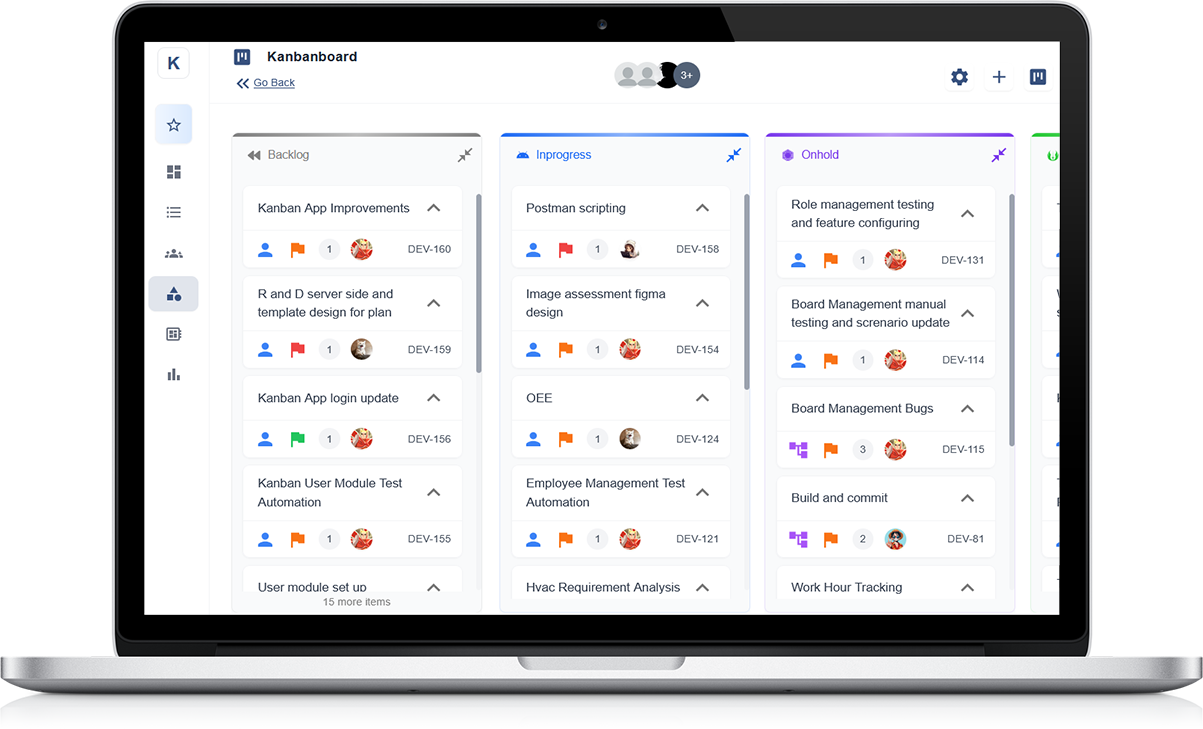
How Kanban Metrics Support Business Operations
Kanban metrics provide businesses with structured methods for monitoring operational performance, improving communication, and maintaining stronger workflow accountability.
Managers and operational teams can review project status, workflow efficiency, task completion rates, delivery timelines, staffing workloads, and operational priorities through live visual dashboards.
These systems improve coordination between departments while ensuring operational objectives remain aligned across the organisation.
Real-time workflow monitoring allows businesses to identify bottlenecks, delayed approvals, overloaded teams, or operational disruptions before they escalate into larger problems.
Kanban metrics also improve employee engagement because team members gain greater visibility into operational priorities and workflow performance.
Businesses can respond more quickly to customer requirements, project changes, operational risks, or market demands through continuous access to accurate live data.
Digital Kanban systems improve transparency by displaying workflow progress, team performance, blocked tasks, and operational priorities in highly visible formats.
Many organisations integrate Kanban metrics with automated reporting systems to reduce manual administration and improve reporting accuracy.
Leadership teams can monitor workflow trends more effectively while maintaining stronger operational consistency across multiple departments or locations.
Kanban systems also support continuous improvement initiatives by helping teams track process changes, monitor operational improvements, and evaluate business performance over time.
Businesses using Kanban metrics often achieve improved operational reliability, stronger accountability, lower operational waste, and more sustainable long-term performance.
As business environments continue becoming more complex and data-driven, Kanban metrics provide organisations with greater operational control, improved responsiveness, and stronger workflow resilience.
Why Real-Time Workflow Visibility Is Essential for Business Performance
Aligning Daily Operations with Business Objectives
Real-time workflow visibility plays a critical role in helping businesses maintain efficient, responsive, and highly organised operational environments.
Kanban metrics provide instant access to live workflow data, helping organisations align operational activities with customer expectations, delivery schedules, and strategic business objectives.
Teams can monitor project progress, workload distribution, task priorities, approval stages, operational bottlenecks, and delivery timelines through centralised digital dashboards.
This improved visibility helps employees understand how daily operational activities contribute towards overall business performance and long-term organisational success.
Managers can quickly identify inefficiencies, delayed tasks, communication gaps, or resource shortages before workflow performance deteriorates.
Real-time visibility also strengthens decision-making because operational data remains current, accurate, and accessible throughout the working day.
Kanban metrics encourage businesses to replace fragmented reporting systems with faster and more transparent workflow management processes.
Operational transparency helps reduce confusion between departments while improving collaboration between teams, leadership, suppliers, and service functions.
Businesses maintaining strong workflow visibility are often better positioned to improve responsiveness, reduce delays, and maintain consistent operational performance.
Digital dashboards can also display escalation alerts, workflow trends, and corrective actions, helping teams respond quickly to operational challenges.
As modern business environments become increasingly fast-paced and competitive, real-time workflow visibility remains essential for maintaining efficient and customer-focused operations.
Improving Communication and Workflow Transparency
Kanban metrics significantly improve communication by ensuring operational updates remain visible and accessible across all business departments.
Traditional reporting methods often create delays because workflow information may become outdated before reaching operational teams.
Digital Kanban systems solve this problem by displaying live workflow data continuously throughout the working day.
Employees gain greater awareness of operational priorities, project deadlines, workflow performance, team responsibilities, and improvement activities.
Improved communication helps teams collaborate more effectively while reducing operational delays and workflow misalignment.
Managers can share updates regarding customer priorities, project schedules, staffing changes, workflow risks, or delivery requirements more efficiently.
Kanban metrics also strengthen accountability because operational responsibilities and performance expectations remain highly visible across the organisation.
Many businesses use cloud-based Kanban platforms to improve communication between remote teams, multiple offices, and distributed operational departments.
Real-time transparency supports stronger organisational discipline while helping businesses maintain more agile and coordinated operations.
Digital workflow systems also reduce dependency on unnecessary meetings and fragmented reporting methods that often slow operational decision-making.
As businesses continue prioritising agility and efficiency, workflow visibility remains one of the most important foundations of successful Kanban implementation.
Improving Business Performance Through Kanban Metrics
Improving operational performance is one of the primary goals of Kanban metrics because business success depends heavily on visibility, accountability, communication, and workflow consistency.
Kanban systems create more organised working environments where employees clearly understand priorities, operational responsibilities, and performance expectations.
Real-time dashboards and visual workflow tools help teams stay focused on productivity, delivery targets, customer requirements, quality standards, and operational priorities.
Employees become more actively involved in identifying inefficiencies, reporting workflow issues, and supporting continuous improvement activities.
This increased engagement often leads to stronger teamwork, improved morale, and greater operational ownership across departments.
Kanban metrics also help businesses create more consistent workflows by standardising reporting structures and workflow management processes.
Managers can monitor operational performance, task completion rates, workflow trends, team productivity, and service delivery more effectively through live reporting systems.
Visual dashboards improve transparency because operational KPIs and business objectives remain visible across the organisation.
Structured communication reduces confusion while improving coordination between employees, departments, leadership teams, and external stakeholders.
Kanban practices encourage organisations to focus on workforce development, continuous learning, and long-term operational improvement.
Many businesses use Kanban metrics to strengthen organisational culture by promoting accountability, collaboration, operational discipline, and proactive problem-solving.
Organisations investing in workflow transparency and employee engagement are often better positioned to improve productivity, reduce delays, and maintain sustainable business growth.
As operational expectations continue evolving, Kanban metrics provide practical strategies for maintaining agile, efficient, and resilient business operations.
Boosting Operational Efficiency with Kanban Practices
Operational efficiency remains essential for businesses seeking to improve profitability, reduce unnecessary workload, increase productivity, and strengthen long-term organisational performance.
Kanban metrics help businesses improve efficiency by creating more structured workflows, improving resource allocation, and strengthening operational control across daily activities.
Real-time workflow monitoring allows teams to identify inefficiencies, prioritise workloads, and implement corrective actions quickly.
Kanban practices focus heavily on eliminating activities that do not contribute value towards operational objectives or customer satisfaction.
Businesses can reduce delays, minimise duplicated work, improve communication, and streamline operational processes through structured workflow management systems.
Visual dashboards help teams monitor task progress, workload capacity, delivery schedules, operational KPIs, and workflow bottlenecks in real time.
Live operational monitoring improves responsiveness because workflow issues become visible immediately rather than after lengthy reporting delays.
Kanban metrics also support more accurate operational planning by helping businesses allocate employees, budgets, technology, and operational resources more efficiently.
Organisations can improve workflow consistency while reducing disruption and unnecessary operational variability.
Many businesses integrate Kanban systems with workflow automation platforms, cloud collaboration software, customer management tools, and digital reporting technologies.
Continuous improvement activities supported by Kanban metrics often lead to measurable improvements in productivity, service delivery, and operational efficiency.
Businesses implementing visual workflow management practices frequently achieve lower operating costs, stronger accountability, improved resource utilisation, and greater organisational flexibility.
As competition and customer expectations continue increasing, operational efficiency remains one of the most important drivers of sustainable business success.
Enhancing Quality and Process Consistency with Kanban Metrics
Maintaining high levels of quality and operational consistency is essential for organisations seeking to strengthen customer confidence, reduce service issues, and improve long-term business performance.
Kanban metrics help businesses improve quality management by creating more transparent, measurable, and standardised workflows across operational environments.
Real-time workflow dashboards allow teams to identify process inconsistencies, delayed tasks, communication gaps, or service risks before they escalate into larger operational problems.
Digital workflow management systems improve quality awareness because operational standards, KPIs, improvement priorities, and performance expectations remain clearly visible across departments.
Employees can monitor workflow progress, service performance, compliance requirements, and operational targets more effectively through structured visual dashboards.
Kanban systems encourage businesses to investigate root causes rather than repeatedly reacting to recurring operational problems.
Continuous improvement methodologies such as Lean, Kaizen, root cause analysis, and process mapping are often integrated into Kanban environments.
Businesses can reduce workflow errors, improve operational reliability, and maintain stronger process consistency through standardised reporting and real-time monitoring.
Kanban metrics also improve accountability because operational responsibilities and performance expectations remain highly visible throughout the organisation.
Managers can monitor operational trends more accurately while identifying recurring workflow risks, inefficiencies, or service disruptions earlier.
Many organisations use cloud-based reporting systems and automated workflow tracking tools to strengthen compliance management, reporting accuracy, and operational visibility.
Improved quality management often contributes towards reduced operational waste, fewer customer complaints, improved service delivery, and stronger organisational reliability.
Kanban metrics also allow businesses to compare performance across teams, departments, and operational functions in real time.
Businesses implementing Kanban systems frequently achieve stronger workflow discipline, faster response times, and improved operational consistency.
As organisations continue prioritising operational excellence and customer satisfaction, Kanban metrics remain essential for achieving sustainable quality improvement.
Reducing Waste and Operational Costs Using Kanban Metrics
Reducing operational waste and controlling business costs are major priorities for organisations seeking to improve profitability, efficiency, and long-term sustainability.
Kanban metrics help businesses identify workflow inefficiencies, eliminate non-value-added activities, and improve operational resource utilisation across departments.
Operational waste may include unnecessary delays, duplicated work, excessive approvals, inefficient communication, avoidable rework, missed deadlines, or poor resource allocation.
Real-time workflow monitoring allows teams to detect inefficiencies quickly and implement corrective actions before operational costs increase further.
Digital Kanban systems improve transparency by displaying workflow bottlenecks, blocked tasks, operational KPIs, staffing workloads, and productivity trends in real time.
Kanban practices encourage businesses to continuously evaluate operational processes and remove activities that do not contribute value towards customers or organisational objectives.
Managers can improve workforce planning, workload balancing, task prioritisation, and operational coordination through improved workflow visibility.
Kanban metrics also support stronger planning and resource management, helping organisations reduce disruption and avoid unnecessary operational expenditure.
Many businesses integrate Kanban systems with reporting platforms, workflow analytics software, and automation technologies to improve operational forecasting and cost management.
Continuous improvement initiatives supported by Kanban metrics often lead to lower operating costs, improved workflow reliability, and stronger organisational resilience.
Businesses maintaining efficient and waste-conscious operations are often better positioned to improve competitiveness and adapt to changing market conditions.
Digital workflow dashboards also allow organisations to monitor operational performance, workload capacity, and productivity more accurately.
Automated reporting reduces administrative workload while helping teams focus more effectively on operational improvement activities.
As operational pressures continue increasing across industries, reducing waste remains a critical component of achieving sustainable business success.
Improving Customer Value Through Data-Driven Workflow Management
Customer value remains one of the most important priorities for businesses seeking to strengthen brand reputation, maintain long-term growth, and improve competitive advantage.
Kanban metrics help organisations improve customer value by creating more reliable, efficient, and customer-focused operational processes.
Teams can identify delays, workflow bottlenecks, service issues, or operational inefficiencies much earlier through live dashboards and real-time workflow monitoring.
Improved workflow visibility allows businesses to respond more quickly to changing customer expectations, project requirements, and service demands.
Kanban practices encourage organisations to focus operational activities on delivering maximum customer value while eliminating unnecessary inefficiencies.
Real-time accountability systems improve communication between departments, helping businesses maintain stronger coordination and more reliable service delivery.
Managers can monitor customer-related KPIs, workflow performance, delivery accuracy, and operational consistency more effectively through digital reporting systems.
Kanban metrics also support continuous improvement initiatives that directly contribute towards improved customer experiences and stronger operational reliability.
Businesses maintaining stable and efficient workflows are often better positioned to deliver consistent service quality, shorter lead times, and improved customer satisfaction.
Many organisations use operational analytics platforms and customer reporting dashboards to identify service improvement opportunities and strengthen business responsiveness.
Improved collaboration between operational teams, support departments, leadership teams, and external partners helps strengthen customer communication and delivery performance.
Digital workflow environments also improve operational traceability, allowing organisations to provide customers with greater transparency regarding project progress and service delivery.
Businesses capable of maintaining real-time operational control are often better positioned to build stronger customer trust and long-term business relationships.
As customer expectations continue increasing across industries, Kanban metrics remain essential for maintaining responsive, reliable, and customer-focused operations.
Digital Tools and Technologies Supporting Modern Kanban Systems
Modern Kanban systems increasingly rely on advanced technologies designed to improve workflow visibility, operational communication, reporting accuracy, and decision-making capabilities.
Many businesses integrate Kanban platforms with ERP systems, CRM software, cloud collaboration tools, workflow automation technologies, and business intelligence platforms.
These digital technologies help organisations collect, analyse, and display operational data more efficiently without relying heavily on manual reporting processes.
Digital dashboards provide real-time updates regarding task progress, team performance, workflow bottlenecks, operational KPIs, and project delivery timelines.
Visual management displays, mobile workflow applications, touchscreen systems, and cloud-connected reporting tools improve employee access to operational information across the organisation.
Cloud-based technologies also support remote workflow monitoring, allowing leadership teams to oversee operational performance across multiple teams or business locations simultaneously.
Automated alerts and digital notifications improve responsiveness because workflow issues become visible immediately when operational targets are not achieved.
Many organisations use workflow automation systems to streamline approvals, reporting processes, project tracking, operational communication, and resource allocation.
Artificial intelligence and predictive analytics technologies are becoming increasingly important within modern workflow management environments.
Businesses can use advanced analytics platforms to identify workflow trends, forecast operational risks, monitor productivity levels, and improve long-term planning.
Kanban metrics also support stronger continuous improvement programmes by providing more accurate operational data and real-time workflow insights.
Cybersecurity and secure cloud infrastructure remain essential for protecting operational information within connected digital business environments.
Many organisations integrate Kanban systems with collaboration software and workflow analytics tools to improve operational visibility and workforce coordination.
Digital transformation strategies continue driving the adoption of smarter workflow management systems across modern businesses.
Businesses investing in modern Kanban technologies are often better positioned to improve operational agility, strengthen collaboration, and maintain sustainable organisational growth.
As digital transformation continues accelerating across industries, technology-driven Kanban systems are becoming essential tools for maintaining competitive, efficient, and highly organised business operations.
Kanban metrics help businesses create more transparent and organised working environments where employees and leadership teams can clearly understand workflow priorities, operational targets, and performance expectations throughout the working day.
Key Kanban Metrics Every Business Should Track
Key Performance Indicators (KPIs) are essential within Kanban systems because they help businesses measure workflow efficiency, team productivity, operational consistency, service quality, and continuous improvement performance across daily operations.
Kanban metrics provide organisations with structured visibility into workflow performance by tracking critical operational measurements related to productivity, delivery speed, process stability, and resource utilisation.
Unlike traditional reporting methods that often rely on delayed spreadsheets or manual updates, modern Kanban systems use live dashboards and automated workflow reporting tools to provide instant operational visibility.
Businesses can identify workflow bottlenecks, delayed approvals, overloaded teams, operational inefficiencies, or customer service risks much faster when Kanban metrics are monitored continuously throughout the working day.
Cycle time is one of the most important Kanban metrics because it measures how long work takes to move from the start of a process to completion.
Lead time helps businesses understand the total amount of time customers wait from requesting a service or product until final delivery.
Throughput metrics measure the amount of completed work within a specific period, helping businesses evaluate productivity and operational capacity.
Work in progress (WIP) metrics help organisations avoid operational overload by limiting the number of active tasks being completed simultaneously.
Blocked work metrics identify tasks that cannot progress due to dependencies, approval delays, technical issues, or operational disruptions.
Flow efficiency metrics help businesses evaluate how effectively time is being used throughout operational workflows.
Delivery performance metrics often include on-time completion rates, service reliability, customer response times, and workflow consistency.
Employee-focused metrics may include workload balance, collaboration performance, training participation, and contribution towards continuous improvement initiatives.
Kanban dashboards also improve operational transparency because workflow targets, KPI trends, and improvement activities remain visible across departments and operational teams.
Managers can use real-time Kanban dashboards to identify recurring operational problems, improve planning activities, allocate resources more effectively, and support faster data-driven decision-making.
Many organisations integrate Kanban metrics with CRM platforms, ERP systems, project management software, workflow automation tools, and operational analytics technologies to improve reporting accuracy and forecasting.
Continuous KPI monitoring also helps businesses evaluate the long-term impact of workflow improvement initiatives and operational optimisation strategies.
Digital workflow systems improve accountability because employees clearly understand operational expectations, project priorities, and performance objectives.
As business environments continue becoming increasingly performance-focused, KPI-driven Kanban systems remain essential for maintaining organised, measurable, and highly responsive operations.
Standardising Business Processes Through Kanban Management
Standardised business processes are essential for maintaining operational consistency, improving service quality, reducing workflow errors, and supporting long-term organisational efficiency.
Kanban management helps businesses create more structured and reliable operational environments through visual workflow systems, standardised reporting procedures, and clearly defined processes.
Digital Kanban dashboards provide employees with immediate access to workflow priorities, project updates, operational targets, team responsibilities, and improvement activities.
Standardised communication improves organisational clarity because employees receive consistent operational information across departments, teams, and business locations.
Kanban systems reduce confusion by replacing disconnected spreadsheets, emails, handwritten notes, or inconsistent reporting processes with centralised live workflow dashboards.
Employees gain a stronger understanding of workflow expectations, operational responsibilities, and delivery objectives through highly visible Kanban management systems.
Daily operational reviews encourage teams to discuss workflow disruptions, identify inefficiencies, evaluate delivery performance, and implement corrective actions more effectively.
Standardised business procedures also strengthen employee training because workflow guidance, operational instructions, and service standards remain consistently accessible.
Kanban systems support operational discipline because routine workflow reviews become integrated into daily business activities.
Businesses with highly standardised operational processes often achieve stronger communication, improved accountability, reduced waste, and greater workflow consistency.
Cloud-based Kanban platforms further strengthen process standardisation by providing automated reporting, remote accessibility, workflow tracking, and real-time operational visibility.
Many organisations use visual workflow management to improve collaboration between operations teams, customer support departments, project managers, leadership groups, and external stakeholders.
Digital process standardisation also improves audit readiness and compliance management by ensuring operational records remain accurate and centrally accessible.
Businesses can also improve customer responsiveness because standardised workflows reduce delays and improve operational predictability.
As organisational complexity continues increasing, standardised digital workflow processes remain essential for maintaining sustainable operational excellence.
Kanban management therefore plays a major role in helping businesses create organised, transparent, and highly efficient working environments.
The Role of Kanban Metrics in Lean Business Transformation
Lean business transformation is a long-term operational strategy focused on improving efficiency, reducing waste, strengthening workflow consistency, and creating a culture of continuous improvement throughout organisations.
Kanban metrics form a critical part of lean transformation because they help businesses embed operational discipline, workflow visibility, and continuous improvement into daily activities.
Organisations implementing lean transformation initiatives often seek to improve communication, operational transparency, customer value, employee engagement, and overall business performance.
Traditional management approaches frequently rely on reactive problem-solving, whereas Kanban systems encourage proactive operational control through real-time workflow monitoring and structured performance reviews.
Lean transformation requires organisations to evaluate operational workflows, identify inefficiencies, eliminate unnecessary activities, and improve alignment across departments.
Daily Kanban management routines help businesses maintain focus on workflow priorities while ensuring continuous improvement activities remain consistent.
Digital dashboards, structured meetings, operational KPIs, and live workflow reporting systems all contribute towards sustainable business improvement.
Kanban metrics also encourage stronger collaboration between leadership teams, operational staff, project managers, customer service departments, and support functions.
Businesses adopting lean operational practices often achieve improved productivity, reduced operational delays, lower costs, and stronger customer satisfaction.
Employee involvement remains one of the most important aspects of successful lean transformation because operational improvements depend heavily on workforce participation.
Kanban systems provide organisations with greater operational transparency, allowing managers to identify workflow improvement opportunities much faster.
Advanced digital technologies further strengthen lean transformation by improving reporting accuracy, operational communication, automation, and workflow forecasting.
Businesses successfully embracing lean transformation are often better positioned to adapt to changing customer expectations, market competition, and operational challenges.
Lean business transformation also helps organisations improve agility by encouraging smaller, more manageable workflow improvements over time.
As industries continue evolving rapidly, Kanban metrics remain essential for achieving long-term operational excellence and sustainable business growth.
Integrating Kanban Metrics with Existing Business Systems
Integrating Kanban metrics with existing business systems helps organisations improve workflow visibility, operational coordination, reporting accuracy, and decision-making efficiency.
Connected operational systems allow information to flow more effectively between departments including operations, finance, customer service, project management, logistics, sales, marketing, and leadership teams.
Kanban systems are commonly integrated with ERP software, CRM platforms, project management applications, workflow automation systems, collaboration tools, and operational analytics platforms.
Integrated systems improve operational transparency by centralising workflow data, project updates, staffing activities, operational KPIs, and business performance information.
Businesses can monitor operational throughput, workload allocation, customer requests, project timelines, service performance, and operational risks from a single management platform.
Automated reporting improves efficiency because workflow data can be collected and updated continuously without relying heavily on manual administration.
Kanban integration also strengthens communication between departments while reducing delays caused by disconnected software systems or inconsistent operational reporting methods.
Cloud-based workflow platforms improve accessibility by allowing operational teams and leadership groups to monitor performance remotely.
Integrated Kanban systems support more accurate forecasting, workforce planning, project scheduling, and operational coordination.
Businesses can respond more quickly to operational disruptions, staffing shortages, workflow bottlenecks, or customer demand changes through real-time operational visibility.
Advanced analytics tools help organisations identify long-term workflow trends and operational improvement opportunities across multiple departments or business locations.
Many companies use integrated Kanban systems to strengthen collaboration, improve accountability, and maintain more consistent operational performance.
Integration with automation technologies also helps reduce repetitive tasks and improve operational efficiency.
As digital transformation continues accelerating across industries, integrated Kanban technologies are becoming increasingly important for maintaining agile and efficient business operations.
Businesses implementing connected Kanban systems are often better positioned to improve operational resilience, customer responsiveness, and long-term organisational performance.
Steps to Successfully Implement Kanban Metrics in Your Business
Successfully implementing Kanban metrics requires a clear operational strategy, leadership commitment, employee engagement, and a long-term focus on continuous improvement.
The first step involves identifying workflow challenges, communication gaps, operational inefficiencies, customer service issues, and improvement opportunities across the organisation.
Businesses should define clear Kanban KPIs related to workflow efficiency, delivery performance, team productivity, customer satisfaction, and operational consistency.
These operational KPIs should align closely with organisational objectives, customer expectations, and long-term business strategies.
Organisations must then establish structured management routines including workflow reviews, daily stand-up meetings, operational reporting, and visual performance monitoring activities.
Digital Kanban dashboards and live workflow systems help teams monitor operational performance while improving communication across departments.
Employee training remains essential because staff must understand Kanban principles, reporting procedures, workflow expectations, and continuous improvement responsibilities.
Leadership involvement plays a critical role throughout implementation because managers help reinforce accountability, operational discipline, and employee engagement.
Businesses should introduce regular workflow reviews to analyse KPI performance, operational bottlenecks, customer service risks, and improvement opportunities.
Cross-functional collaboration strengthens implementation success because operational improvements often require coordinated support from multiple departments.
Many organisations choose to implement Kanban systems gradually through pilot projects before expanding them across wider operations.
Continuous employee feedback helps businesses refine reporting systems, improve dashboard usability, and strengthen long-term operational effectiveness.
Digital infrastructure planning also remains important because reliable connectivity, cloud integration, and secure operational data management support successful implementation.
Businesses successfully implementing Kanban metrics often achieve improved productivity, stronger communication, lower operational waste, and greater workflow consistency.
As operational environments continue evolving, structured Kanban implementation strategies remain essential for maintaining sustainable business growth.
Common Challenges When Adopting Kanban Metrics
Although Kanban metrics provide significant operational benefits, businesses often face several challenges during implementation and long-term adoption.
One of the most common difficulties involves resistance to organisational change because employees and managers may initially feel uncomfortable adapting to new workflow systems and reporting processes.
Businesses transitioning from traditional management methods to real-time Kanban systems often require significant cultural and operational adjustment.
Limited leadership involvement can weaken Kanban implementation because employees may struggle to maintain engagement without visible management support.
Inconsistent communication between departments may create workflow confusion, reduce accountability, and slow operational improvement progress.
Some organisations experience difficulties defining accurate KPIs or establishing reporting systems that reflect actual workflow performance.
Insufficient employee training can reduce operational consistency because staff may not fully understand Kanban methodologies, workflow expectations, or reporting procedures.
Businesses relying heavily on outdated systems may also encounter integration difficulties when connecting Kanban platforms with existing software applications.
Data accuracy issues may arise when workflow information is entered inconsistently or when systems are not updated in real time.
Kanban implementation requires long-term operational discipline and management consistency, which can become challenging during periods of rapid business growth or organisational change.
Operational silos between departments sometimes limit collaboration and reduce the effectiveness of workflow improvement activities.
Cybersecurity concerns and infrastructure limitations may also affect organisations implementing cloud-based workflow technologies.
Despite these challenges, businesses maintaining strong leadership support, workforce engagement, and continuous improvement focus often achieve highly successful Kanban outcomes.
Regular communication, ongoing employee training, and structured operational reviews help organisations overcome many common implementation barriers.
As digital business technologies continue evolving, successful Kanban adoption increasingly depends on organisational culture, digital readiness, and leadership commitment.
Leadership’s Role in Driving Workflow Transparency and Performance
Strong leadership remains one of the most important factors influencing the success of Kanban metrics and long-term business performance.
Leadership teams help define operational priorities, establish workflow expectations, and align daily business activities with wider organisational objectives.
Visible leadership involvement encourages employees to remain engaged with Kanban systems, workflow accountability, and continuous improvement initiatives.
Managers and supervisors play critical roles in maintaining structured workflow reviews, supporting operational discipline, and reinforcing Kanban management practices across teams.
Effective business leaders create workplace cultures where transparency, communication, collaboration, and proactive problem-solving become embedded within daily operations.
Leadership within Kanban environments also involves empowering employees to identify workflow inefficiencies, contribute ideas, and participate actively in operational improvement activities.
Businesses with highly engaged leadership teams often achieve stronger productivity, improved employee morale, lower operational disruption, and more stable performance.
Leadership support strengthens accountability because operational targets, workflow KPIs, and improvement priorities remain consistently reinforced throughout the organisation.
Many businesses use Kanban dashboards to improve communication between operational teams, customer service departments, project managers, and senior leadership groups.
Leaders must also ensure employees receive the training, resources, and operational guidance necessary to maintain effective Kanban management practices.
Successful organisational leadership requires long-term commitment because operational excellence depends heavily on consistency, workforce engagement, and continuous improvement.
Digital dashboards further support leadership visibility by providing real-time access to workflow KPIs, operational performance trends, delivery progress, and improvement activities.
Leadership teams capable of making fast, data-driven decisions are often better positioned to maintain agile and responsive business operations.
As organisations continue adapting to changing market pressures and customer demands, leadership remains essential for maintaining sustainable operational excellence.
Building a Culture of Continuous Improvement with Kanban Metrics
Continuous improvement remains one of the most important foundations of modern business success because sustainable operational performance depends on ongoing optimisation, employee engagement, and proactive problem-solving.
Kanban metrics help businesses create highly visible and structured improvement environments where operational challenges, workflow targets, customer service issues, and performance trends can be monitored continuously throughout the working day.
Unlike traditional reporting systems, digital Kanban boards provide real-time workflow visibility, allowing teams to identify operational issues much faster.
Businesses can monitor task progress, service delivery, workflow bottlenecks, customer requests, operational capacity, and team performance from centralised digital dashboards.
Daily operational reviews encourage employees to analyse workflow disruptions, discuss process improvement opportunities, and implement corrective actions before operational problems escalate further.
Kanban systems also strengthen accountability because operational KPIs, improvement actions, and team responsibilities remain highly visible across departments.
Businesses can use continuous improvement methodologies such as Lean, Kaizen, root cause analysis, and workflow mapping alongside Kanban reporting systems.
Real-time workflow monitoring allows organisations to identify recurring inefficiencies, communication delays, resource shortages, or service disruptions more effectively.
Employees become more engaged when they can clearly observe workflow performance data and contribute directly towards operational improvement activities.
Visual workflow management improves communication between operations teams, customer support departments, project managers, and leadership groups.
Businesses using Kanban metrics often achieve improved operational stability, lower waste, reduced delays, and stronger workflow consistency.
Cloud-based Kanban dashboards further support continuous improvement by enabling remote operational visibility across multiple business locations and teams.
Automated alerts and live notifications help organisations respond quickly to workflow disruptions, customer concerns, or operational risks.
Continuous improvement supported by Kanban systems also encourages innovation because teams regularly evaluate opportunities to simplify processes and improve customer experiences.
As operational environments become increasingly competitive and data-driven, continuous improvement supported by Kanban metrics remains essential for maintaining business agility and sustainable growth.
Boosting Employee Engagement Through Kanban Tools and Metrics
Employee engagement plays a critical role in business performance because operational success depends heavily on workforce participation, accountability, communication, and collaboration.
Kanban tools help organisations create more transparent operational environments where employees clearly understand workflow priorities, delivery targets, customer expectations, and operational responsibilities.
Real-time digital dashboards improve visibility by displaying live workflow KPIs related to productivity, service performance, workload distribution, operational efficiency, and delivery schedules.
Employees gain immediate access to operational information, helping them respond more effectively to changing customer demands and workflow priorities.
Daily operational meetings supported by Kanban systems improve communication between employees, managers, project teams, customer support departments, and leadership groups.
Employees become more actively involved in identifying workflow inefficiencies, reporting operational issues, and contributing towards continuous improvement activities.
Digital visual management systems help reduce communication delays because workflow updates, operational targets, and service priorities remain visible in real time.
Employees often demonstrate stronger operational ownership when workflow performance data remains transparent and measurable throughout the organisation.
Recognition programmes linked to Kanban performance achievements can further improve employee morale, productivity, and operational engagement.
Many organisations use Kanban systems to strengthen collaboration between departments, improve workload balance, and encourage teamwork across operational functions.
Interactive dashboards and mobile workflow tools improve accessibility to operational information across office environments and remote teams.
Digital communication platforms also support hybrid and distributed workforces by improving consistency in operational messaging and workflow reporting.
Training and employee development activities become more effective when staff can monitor operational trends and improvement progress visually.
Businesses investing in employee engagement technologies are often better positioned to improve staff retention, reduce workflow disruption, and strengthen long-term organisational stability.
As modern workplaces continue adopting digital transformation strategies, employee engagement supported by Kanban tools remains essential for maintaining highly efficient and responsive business operations.
Key Benefits of Kanban Metrics Across Business Operations
Kanban metrics provide organisations with highly effective workflow management systems designed to improve operational visibility, team communication, efficiency, and long-term business performance.
One of the biggest advantages involves real-time operational transparency because teams can monitor workflow KPIs continuously throughout daily activities.
Businesses can quickly identify operational bottlenecks, delayed tasks, customer service concerns, resource shortages, or delivery risks before performance deteriorates further.
Kanban systems improve decision-making because workflow data remains accurate, current, and instantly accessible across departments.
Managers can monitor workload distribution, project progress, operational risks, delivery schedules, and team performance from centralised digital dashboards.
Visual workflow management also improves accountability because operational responsibilities, workflow targets, and improvement activities remain highly visible.
Businesses often achieve improved productivity because Kanban systems help reduce unnecessary delays, improve communication, and streamline operational processes.
Real-time operational reporting strengthens service quality management by helping organisations identify workflow inconsistencies or customer concerns much faster.
Kanban metrics support lean business strategies by helping organisations reduce operational waste, improve process consistency, and strengthen continuous improvement activities.
Cloud-based workflow dashboards improve visibility across multiple departments and business locations, allowing leadership teams to monitor operational performance remotely.
Businesses integrating Kanban systems with ERP software, CRM platforms, and workflow automation technologies often achieve stronger operational coordination and reporting accuracy.
Automated reporting reduces manual administration while improving organisational responsiveness and workflow efficiency.
Many organisations also experience improved customer satisfaction because stronger operational control helps maintain reliable service delivery and consistent customer experiences.
Kanban systems further improve scalability because structured workflows make it easier for businesses to manage growth without losing operational consistency.
As industries continue prioritising operational excellence, Kanban metrics remain one of the most valuable tools for maintaining efficient, data-driven, and highly competitive business operations.
Future Trends in Kanban Metrics and Workflow Management
The future of Kanban metrics will continue being shaped by digital transformation technologies, workflow automation, artificial intelligence, and increasingly connected business environments.
Businesses are rapidly adopting cloud-based Kanban platforms that provide real-time workflow monitoring, automated reporting, and advanced operational analytics.
Artificial intelligence technologies are expected to play a growing role in workflow forecasting, operational planning, productivity optimisation, and risk management.
Kanban systems will increasingly integrate with automation technologies, allowing organisations to streamline repetitive administrative activities and improve operational efficiency.
Real-time workflow monitoring technologies will improve visibility by automatically tracking operational performance, team workloads, service delivery, and customer response times.
Advanced analytics platforms will help businesses identify long-term workflow trends, forecast operational disruptions, and improve strategic planning.
Automation technologies are also helping organisations reduce manual reporting activities while improving workflow responsiveness and operational accuracy.
Mobile workflow applications will continue improving accessibility to operational information across offices, remote teams, and distributed workforces.
Many organisations are investing heavily in smart workflow technologies designed to strengthen operational agility, reduce waste, and improve service flexibility.
Predictive analytics and machine learning technologies may become increasingly integrated with Kanban systems, allowing businesses to optimise workflow management more accurately.
Cybersecurity will remain critically important as organisations become more digitally connected and increasingly reliant on cloud-based workflow systems.
Sustainability initiatives are also influencing the future of workflow management because businesses continue focusing on efficiency, waste reduction, and environmentally responsible operations.
Collaborative digital platforms, AI-driven task prioritisation, and automated workflow scheduling are expected to strengthen operational performance even further.
Businesses adopting advanced Kanban technologies are often better positioned to improve resilience, maintain workflow consistency, and remain competitive within rapidly evolving markets.
As digital transformation continues reshaping modern business environments, Kanban metrics will remain central to achieving intelligent, connected, and highly efficient workflow management.
Conclusion: Why Your Business Needs Kanban Metrics for Sustainable Growth
Kanban metrics have become essential operational tools for businesses seeking to improve workflow visibility, operational efficiency, team communication, and long-term organisational performance.
By providing real-time monitoring across workflow activities, operational KPIs, productivity trends, and delivery performance, Kanban systems help organisations maintain stronger operational control and faster decision-making.
Teams can identify operational disruptions, workflow bottlenecks, communication gaps, and service inefficiencies much earlier through highly visible digital workflow management systems.
Real-time operational transparency improves collaboration between departments, leadership teams, project managers, customer service functions, and operational staff.
Kanban metrics also strengthen accountability because workflow targets, operational KPIs, improvement activities, and delivery expectations remain continuously visible.
Businesses implementing digital workflow management systems often achieve improved operational consistency, reduced waste, lower delays, and stronger service reliability.
Continuous improvement becomes more sustainable because employees can participate actively in workflow optimisation and operational problem-solving activities.
Integrated digital technologies provide additional benefits including automated reporting, predictive analytics, cloud-based workflow monitoring, and improved operational forecasting.
Leadership teams gain stronger operational visibility across departments and business locations, allowing faster responses to workflow risks and changing customer expectations.
Kanban systems also support lean business initiatives by helping organisations eliminate inefficiencies, improve workflow coordination, and maintain more stable operational environments.
As industries continue embracing digital transformation and automation technologies, Kanban metrics will become increasingly important for maintaining operational agility and business competitiveness.
Whether implemented within customer service, software development, logistics, retail, finance, healthcare, marketing, or professional service environments, Kanban metrics provide a highly effective framework for improving workflow performance.
Businesses investing in connected workflow management systems are often better positioned to strengthen operational resilience, improve customer satisfaction, and achieve sustainable long-term growth.
Kanban metrics therefore represent a critical foundation for modern organisations seeking to maintain efficient, data-driven, and continuously improving business operations.