Introduction to Kanban: Understanding the Basics of Kanban
What is Kanban?
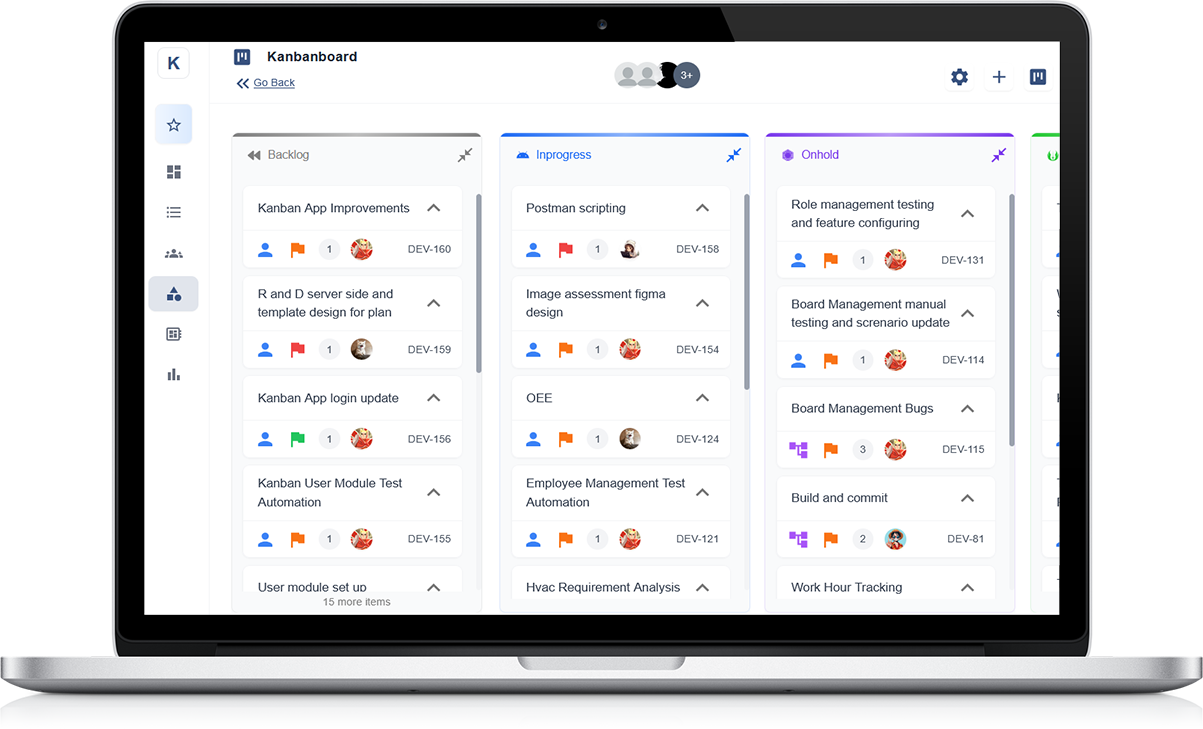
Kanban is a visual workflow management method used to improve efficiency, productivity, and flow in both manufacturing and knowledge work. It helps teams visualise tasks, manage workloads, and continuously improve processes. Originally developed as part of Lean manufacturing, Kanban is now widely used in software development, operations, and business management.
Purpose of Kanban
The primary goal of Kanban is to optimise workflow by limiting work in progress and ensuring a smooth, continuous flow of tasks. By making work visible and manageable, organisations can identify inefficiencies and improve delivery performance.
Why Kanban is Important
Kanban enables teams to work more efficiently by reducing bottlenecks, improving communication, and increasing transparency. It supports continuous improvement and helps organisations deliver value more consistently.
History of Kanban: Origins and Evolution
Origins in Manufacturing
Kanban was first introduced by Toyota as part of its Lean manufacturing system. It was designed to improve production efficiency by using visual signals to control inventory and workflow.
Evolution into Modern Workflows
Over time, Kanban evolved beyond manufacturing and became a popular method in software development and service industries. Today, digital Kanban tools are widely used to manage complex workflows.
Kanban in Agile and Lean
Kanban is closely aligned with Agile and Lean principles, focusing on continuous delivery, flexibility, and incremental improvement rather than rigid planning.
Kanban Fundamentals: Core Principles and Practices
Understanding Kanban Principles
Kanban is built on key principles that focus on visualisation, limiting work, managing flow, and continuous improvement. These principles help teams maintain efficiency and adapt to changing demands.
Visualising the Workflow
Kanban uses boards to represent work stages, allowing teams to track progress and identify bottlenecks in real time.
Limiting Work in Progress
By restricting the number of tasks in progress, teams can maintain focus, reduce multitasking, and improve quality.
Managing and Measuring Flow
Tracking metrics such as cycle time and lead time helps teams understand performance and improve efficiency.
Continuous Improvement
Kanban encourages teams to regularly review processes and implement incremental improvements based on data and feedback.
Visualize the Workflow: Making Work Visible in Kanban
What Does Visualizing the Workflow Mean?
Visualizing the workflow is one of the core principles of Kanban. It involves representing all tasks and work stages on a visual board so that teams can clearly see what is being worked on, what is pending, and what has been completed.
Using Kanban Boards
Kanban boards are divided into columns such as To Do, In Progress, and Done. Each task is represented by a card that moves across these columns as work progresses. This visual system makes it easy to track tasks in real time.
Benefits of Workflow Visualization
When workflows are visible, teams can quickly identify bottlenecks, delays, and inefficiencies. It improves communication, enhances transparency, and ensures everyone understands the current state of work.
Improving Team Collaboration
Visualizing work helps teams stay aligned and coordinate better. It reduces confusion and allows team members to focus on completing tasks efficiently.
Limit Work in Progress: Controlling Task Overload in Kanban
Understanding Work in Progress (WIP)
Work in Progress refers to tasks that are currently being worked on but not yet completed. In Kanban, limiting WIP is essential for maintaining efficiency and focus.
Why WIP Limits Matter
Without limits, teams may take on too many tasks at once, leading to multitasking, delays, and reduced quality. WIP limits ensure that work is completed before new tasks are started.
How to Set WIP Limits
Each column on a Kanban board can have a maximum number of tasks allowed. When the limit is reached, no new tasks can be added until existing ones are completed.
Benefits of Limiting WIP
WIP limits improve productivity, reduce stress, and ensure a smoother workflow. They help teams focus on finishing tasks rather than starting too many at once.
Manage and Measure Flow: Optimising Workflow Efficiency
What is Flow in Kanban?
Flow refers to the movement of tasks through the workflow from start to completion. A smooth flow ensures that work progresses efficiently without delays or interruptions.
Measuring Workflow Performance
Key metrics such as cycle time, lead time, and throughput are used to measure how efficiently work is moving through the system. These metrics provide insights into performance and areas for improvement.
Identifying Bottlenecks
By analysing flow, teams can identify stages where tasks are delayed or accumulate. These bottlenecks can then be addressed to improve overall efficiency.
Improving Flow Continuously
Managing flow involves making adjustments to processes, balancing workloads, and removing obstacles to ensure consistent and predictable delivery.
Make Process Policies Explicit: Defining Clear Workflow Rules
What Are Process Policies?
Process policies are the rules and guidelines that define how work is managed and completed within a Kanban system. These policies ensure consistency and clarity.
Why Explicit Policies Are Important
Clearly defined policies reduce misunderstandings and help teams follow a consistent approach to managing work. Everyone knows what is expected at each stage.
Examples of Process Policies
Policies may include definitions of when a task is considered complete, criteria for moving tasks between stages, and priority rules for handling work.
Improving Transparency and Accountability
Explicit policies make workflows more transparent and help teams maintain accountability. They also support continuous improvement by providing a clear framework for evaluation.
Improve Continuously: Driving Ongoing Process Improvement in Kanban
Understanding Continuous Improvement
Continuous improvement is a fundamental principle of Kanban. It involves regularly evaluating workflows and making small, incremental changes to improve efficiency and quality.
Using Feedback and Data
Teams use performance metrics and feedback to identify areas for improvement. Data-driven decisions help ensure that changes are effective and sustainable.
Encouraging Team Involvement
All team members are encouraged to contribute ideas for improvement. This collaborative approach helps identify issues and implement practical solutions.
Building a Culture of Improvement
By continuously refining processes, organisations create a culture focused on learning, adaptability, and long-term success.
Kanban Elements: Key Components of a Kanban System
Kanban Board
The Kanban board is a visual representation of the workflow, divided into columns that represent different stages of work.
Kanban Cards
Each task is represented by a card that moves across the board as work progresses.
Work in Progress Limits
WIP limits help control the number of tasks in each stage, ensuring smooth workflow and preventing overload.
Pull System
Kanban operates on a pull system, where new work is started only when capacity becomes available.
Kanban Method: Understanding How Kanban Works
What is the Kanban Method?
The Kanban Method is a workflow management approach designed to improve efficiency, flexibility, and continuous delivery. It focuses on visualising work, limiting work in progress, and managing flow.
Core Principles of the Method
The method encourages starting with existing processes, implementing incremental changes, and respecting current roles and responsibilities while improving workflows.
Benefits of the Kanban Method
Organisations using the Kanban Method experience better visibility, improved productivity, reduced bottlenecks, and enhanced collaboration.
Kanban Card: Representing Work Items
What is a Kanban Card?
A Kanban card represents an individual task or work item within the workflow. It contains important information such as task description, priority, and status.
Purpose of Kanban Cards
Cards help teams track progress, maintain transparency, and ensure that all work items are clearly defined and visible.
Improving Workflow with Cards
By moving cards across the board, teams can easily monitor progress and identify delays or bottlenecks.
Kanban Board: Visualising Workflow
What is a Kanban Board?
A Kanban board is a visual tool that displays the workflow stages and tasks. It helps teams understand the current state of work at a glance.
Structure of a Board
Boards typically include columns such as To Do, In Progress, and Done. Tasks move through these stages as work progresses.
Benefits of Using a Board
Kanban boards improve visibility, communication, and coordination, helping teams manage work more effectively.
Kanban Software: Digital Tools for Workflow Management
What is Kanban Software?
Kanban software provides digital platforms for managing workflows, allowing teams to track tasks, collaborate, and analyse performance.
Features of Kanban Tools
Common features include task tracking, WIP limits, analytics, integrations, and real-time updates.
Benefits of Digital Kanban
Digital tools enable remote collaboration, better data analysis, and improved scalability for teams of all sizes.
Personal Kanban: Managing Individual Workflows Effectively
What is Personal Kanban?
Personal Kanban is a simplified version of the Kanban method designed for individuals to manage their daily tasks and responsibilities. It helps visualise work, prioritise tasks, and improve productivity.
How Personal Kanban Works
Individuals create a simple board with columns such as To Do, In Progress, and Done. Tasks are represented as cards and moved across the board as they are completed.
Benefits of Personal Kanban
Personal Kanban improves focus, reduces multitasking, and helps individuals manage time more effectively. It also provides a clear overview of workload and progress.
Applying Personal Kanban in Daily Life
It can be used for work tasks, study planning, household activities, or personal goals, making it a flexible productivity tool.
Kanban in Manufacturing: Enhancing Production Efficiency
Origins of Kanban in Manufacturing
Kanban was originally developed in manufacturing to control inventory and production flow. It uses visual signals to ensure that materials and products are produced only when needed.
Improving Production Flow
By using a pull-based system, Kanban ensures that production is aligned with demand, reducing excess inventory and unnecessary work.
Reducing Waste in Manufacturing
Kanban helps eliminate inefficiencies such as overproduction, waiting time, and excess inventory, leading to more efficient operations.
Supporting Lean Manufacturing
Kanban is a key component of Lean manufacturing, helping organisations maintain smooth workflows and continuous improvement.
Kanban in Business Management: Improving Organisational Efficiency
Using Kanban in Business Operations
Kanban is widely used in business management to organise tasks, improve workflow visibility, and enhance team collaboration.
Managing Projects and Processes
Teams use Kanban boards to track project progress, assign tasks, and ensure timely completion of activities.
Benefits for Organisations
Kanban improves transparency, reduces delays, and helps teams prioritise work effectively, leading to better decision-making.
Enhancing Team Collaboration
By making work visible, Kanban encourages communication and coordination across departments.
Bottlenecks in Kanban: Identifying and Resolving Workflow Delays
What are Bottlenecks?
Bottlenecks are stages in a workflow where tasks slow down or accumulate, causing delays in the overall process.
Causes of Bottlenecks
They may occur due to limited resources, inefficient processes, or uneven workload distribution.
Identifying Bottlenecks
Kanban boards make it easy to spot bottlenecks by showing where tasks are piling up.
Resolving Bottlenecks
Teams can address bottlenecks by redistributing work, improving processes, or increasing capacity in critical areas.
Pull Systems in Kanban: Controlling Workflow Based on Demand
What is a Pull System?
A pull system ensures that new work is started only when there is available capacity, rather than pushing tasks into the workflow prematurely.
How Pull Systems Work
Tasks are pulled into the next stage only when the previous stage has capacity, ensuring a smooth and controlled workflow.
Benefits of Pull Systems
Pull systems reduce overproduction, minimise waste, and improve efficiency by aligning work with actual demand.
Supporting Continuous Flow
This approach helps maintain a steady flow of work and prevents overloading teams or systems.
Queuing Theory in Kanban: Understanding Workload and Waiting Times
What is Queuing Theory?
Queuing theory is the study of waiting lines and how tasks move through a system. In Kanban, it helps analyse delays and optimise workflow efficiency.
Applying Queuing Theory in Kanban
By understanding how tasks queue up at different stages, teams can identify inefficiencies and improve flow.
Reducing Waiting Time
Limiting work in progress and balancing workloads can reduce waiting times and improve overall productivity.
Improving System Performance
Applying queuing principles helps teams design more efficient workflows and deliver work more predictably.
Kanban Cadences: Structuring Workflow Reviews
What are Kanban Cadences?
Kanban cadences are regular meetings and review cycles that help teams monitor progress and improve workflows.
Types of Cadences
Examples include daily stand-ups, replenishment meetings, and delivery reviews.
Benefits of Cadences
Regular reviews improve communication, ensure alignment, and support continuous improvement.
Classes of Service in Kanban: Managing Work Based on Priority
What are Classes of Service?
Classes of Service in Kanban are categories used to prioritise and manage different types of work. They help teams decide how tasks should be handled based on urgency, importance, and risk.
Common Types of Classes of Service
Typical categories include Standard (regular work), Expedite (urgent tasks), Fixed Date (time-sensitive work), and Intangible (long-term improvements). Each class has its own handling rules.
Why Classes of Service Matter
By defining different service classes, teams can manage expectations, improve decision-making, and ensure that critical work is completed on time.
Improving Workflow Efficiency
Using Classes of Service helps balance priorities, reduce delays, and maintain a steady flow of work without disrupting the entire system.
Agile Framework and Kanban: Understanding Their Relationship
What is Agile Methodology?
Agile methodology is an approach to project management that focuses on flexibility, collaboration, and continuous delivery. It emphasises adapting to change and delivering value incrementally.
How Kanban Fits into Agile
Kanban is considered one of the Agile frameworks. It supports Agile principles by enabling continuous delivery, visualising work, and improving workflow efficiency.
Differences Between Kanban and Other Agile Methods
Unlike frameworks such as Scrum, Kanban does not require fixed iterations or defined roles. It allows for more flexibility and continuous flow of work.
Benefits of Combining Kanban with Agile
Using Kanban within an Agile environment improves transparency, enhances collaboration, and helps teams deliver work more efficiently and consistently.
Kanban Hybrid Models: Combining Kanban with Other Frameworks
What are Hybrid Models?
Kanban hybrid models combine Kanban with other methodologies such as Scrum to create flexible workflows.
Popular Hybrid Approaches
One common example is Scrumban, which integrates Scrum structure with Kanban flow management.
Benefits of Hybrid Models
Hybrid models provide adaptability, allowing teams to customise workflows based on their needs.
Kanban Roles: Understanding Responsibilities in Kanban
Are There Defined Roles in Kanban?
Unlike some frameworks, Kanban does not enforce strict roles. Teams typically continue with their existing roles.
Common Responsibilities
Responsibilities include managing workflow, monitoring progress, and ensuring continuous improvement.
Encouraging Team Collaboration
Kanban promotes shared responsibility, where all team members contribute to improving processes.
Change Management in Kanban: Managing Organisational Transformation
What is Change Management?
Change management refers to the structured approach used to transition individuals, teams, and organisations from a current state to a desired future state. In Kanban, change is introduced gradually to minimise disruption and improve acceptance.
Kanban’s Approach to Change
Kanban promotes evolutionary change rather than radical transformation. Teams start with existing processes and introduce small, incremental improvements over time.
Benefits of Incremental Change
By making gradual changes, organisations reduce resistance, maintain stability, and ensure that improvements are sustainable. This approach allows teams to adapt more easily and continuously refine their workflows.
Role of Leadership in Change Management
Leaders play a key role in guiding change initiatives, providing support, and encouraging a culture of continuous improvement. Their involvement ensures alignment and successful implementation.
Encouraging Team Participation
Successful change management requires active involvement from team members. Encouraging feedback and collaboration helps identify improvement opportunities and increases engagement.
Building a Culture of Continuous Improvement
Kanban supports a culture where change is ongoing and driven by data and feedback. This mindset helps organisations remain flexible, responsive, and competitive.
Lean Thinking: A Foundation for Efficiency and Continuous Improvement
What is Lean Thinking?
Lean Thinking is a philosophy focused on maximising customer value while minimising waste. It provides a mindset for improving processes by identifying inefficiencies and continuously refining workflows to deliver better outcomes.
Core Principles of Lean Thinking
Lean Thinking is based on principles such as defining value from the customer’s perspective, mapping the value stream, creating smooth workflow, establishing pull-based systems, and pursuing continuous improvement.
Focus on Value Creation
The main goal of Lean Thinking is to ensure that every activity contributes to delivering value to the customer. Non-value-adding activities are identified and eliminated.
Eliminating Waste and Inefficiencies
Lean Thinking emphasises the removal of waste, unevenness, and overburden in processes. This helps organisations operate more efficiently and effectively.
Continuous Improvement Culture
Lean encourages a culture of ongoing improvement where teams regularly evaluate processes and implement small, incremental changes.
Relationship Between Lean Thinking and Kanban
Kanban is a practical tool that supports Lean Thinking by visualising workflows, managing work in progress, and improving flow. Together, they help organisations achieve better efficiency and adaptability.
Benefits of Lean Thinking
Adopting Lean Thinking leads to improved productivity, reduced costs, better quality, and enhanced customer satisfaction. It also fosters collaboration and innovation within teams.
Lean & Kanban: Understanding Their Relationship
How Kanban Fits into Lean
Kanban is a practical tool within Lean methodology that helps organisations visualise workflows, manage tasks, and improve efficiency. It supports Lean principles by enabling better control over work processes.
Shared Goals
Both Lean and Kanban focus on eliminating waste, improving flow, and delivering value to customers.
Benefits of Combining Lean and Kanban
Together, they create efficient systems that are flexible, transparent, and continuously improving.
Kaizen: Continuous Improvement in Lean
What is Kaizen?
Kaizen is the practice of continuous, incremental improvement in processes. It encourages all employees to contribute to improving efficiency and quality.
Applying Kaizen
Small improvements made consistently over time lead to significant long-term benefits.
Benefits of Kaizen
It improves productivity, reduces waste, and fosters a culture of collaboration and innovation.
Just-In-Time (JIT): Producing Only What is Needed
What is JIT?
Just-In-Time is a production strategy that focuses on producing goods only when they are needed, reducing excess inventory and waste.
How JIT Works
It aligns production with demand, ensuring efficient use of resources.
Benefits of JIT
JIT reduces costs, improves efficiency, and enhances product quality.
Lean Manufacturing: Optimising Production Systems
What is Lean Manufacturing?
Lean manufacturing focuses on improving production efficiency by eliminating waste and optimising workflows.
Core Objectives
The goal is to deliver high-quality products while minimising costs and resources.
Benefits
It improves productivity, reduces delays, and enhances customer satisfaction.
Theory of Constraints (TOC): Managing System Limitations
What is TOC?
The Theory of Constraints focuses on identifying and managing the most critical limitation in a process.
Improving Through Constraints
By addressing bottlenecks, organisations can significantly improve overall performance.
Benefits
TOC helps optimise throughput and ensures efficient use of resources.
Value Stream Mapping (VSM): Visualising Process Flow
What is VSM?
Value Stream Mapping is a tool used to visualise the flow of materials and information through a process.
Purpose of VSM
It helps identify waste, delays, and inefficiencies in workflows.
Benefits
VSM enables organisations to design more efficient processes and improve productivity.
Kanban for Startups: Managing Growth Efficiently
Why Startups Use Kanban
Kanban helps startups manage tasks, prioritise work, and adapt quickly to changing demands.
Improving Agility
It enables teams to remain flexible while maintaining productivity.
Benefits
Startups can improve efficiency, reduce chaos, and scale operations effectively.
Kanban, Scrum & Scrumban: Combining Agile Approaches
What is Scrumban?
Scrumban is a hybrid approach that combines elements of Scrum and Kanban to create a flexible workflow system.
Key Differences
Scrum uses fixed iterations, while Kanban focuses on continuous flow.
Benefits
Scrumban provides structure with flexibility, making it suitable for dynamic teams.
Kanban Types & Signals: Visual Communication in Workflows
What are Kanban Signals?
Kanban signals are visual cues used to indicate when action is required, such as starting or stopping work.
Types of Signals
Examples include cards, boards, and digital notifications.
Benefits
They improve communication, reduce confusion, and enhance workflow efficiency.
Mura: Understanding Unevenness in Processes
What is Mura?
Mura refers to inconsistency or unevenness in workflows that leads to inefficiencies.
Impact of Mura
It causes delays, bottlenecks, and imbalance in workloads.
Reducing Mura
Balancing workloads and improving scheduling helps create smoother workflows.
Muda: Identifying Waste in Processes
What is Muda?
Muda refers to activities that do not add value to the final product or service.
Examples of Waste
Overproduction, waiting, defects, and unnecessary movement are common forms of waste.
Eliminating Muda
Removing waste improves efficiency and reduces operational costs.
Muri: Avoiding Overburden in Work Systems
What is Muri?
Muri refers to overburdening people or systems beyond their capacity.
Impact of Muri
It leads to stress, errors, and reduced productivity.
Preventing Muri
Balancing workloads and designing realistic processes helps avoid overburden.
Heijunka: Production Leveling in Lean
What is Heijunka?
Heijunka is the practice of leveling production to reduce variation and improve efficiency.
Benefits
It creates stable workflows and reduces stress on resources.
Water Spider: Supporting Workflow Efficiency
What is a Water Spider?
A Water Spider is a role responsible for ensuring that materials and resources are available where needed.
Benefits
It improves workflow efficiency and reduces downtime.
Hoshin Kanri: Strategic Planning in Lean
What is Hoshin Kanri?
Hoshin Kanri is a method for aligning organisational goals with daily operations.
Benefits
It ensures strategic alignment and improves execution of long-term objectives.
Toyota Kata: Developing Continuous Improvement Habits
What is Toyota Kata?
Toyota Kata is a structured approach to developing habits of continuous improvement and problem-solving.
Benefits
It helps organisations build a culture of learning and adaptability.
Kanban Maturity Model: Measuring Organisational Progress
What is the Kanban Maturity Model?
It is a framework used to assess and improve an organisation’s Kanban practices.
Benefits
It helps teams understand their current level and plan improvements.
Lean Project Management: Efficient Project Execution
What is Lean Project Management?
It applies Lean principles to project management to improve efficiency and reduce waste.
Benefits
It enhances productivity and ensures timely project delivery.
Lean Accounting: Financial Management for Lean Organisations
What is Lean Accounting?
Lean accounting focuses on providing financial information that supports Lean decision-making.
Benefits
It improves transparency, simplifies reporting, and aligns financial practices with operational goals.
Lean Methodology: Principles for Improving Efficiency and Eliminating Waste
What is Lean Methodology?
Lean methodology is a systematic approach focused on improving efficiency by eliminating waste, optimising processes, and delivering maximum value to customers. It originated in manufacturing but is now widely applied across industries including software development, healthcare, and business operations.
Core Principles of Lean
Lean is built on key principles such as identifying value, mapping the value stream, creating flow, establishing pull systems, and pursuing continuous improvement. These principles help organisations streamline workflows and reduce inefficiencies.
Eliminating Waste in Processes
A central goal of Lean is to remove activities that do not add value. By identifying waste such as delays, overproduction, and unnecessary steps, organisations can improve productivity and reduce costs.
Continuous Improvement (Kaizen)
Lean encourages ongoing improvement through small, incremental changes. Teams regularly evaluate processes and implement improvements to enhance efficiency and quality.
Lean and Kanban Relationship
Kanban is a key tool within Lean methodology. It supports Lean principles by visualising workflows, limiting work in progress, and enabling continuous delivery.
Benefits of Lean Methodology
Organisations that adopt Lean experience improved efficiency, reduced operational costs, better quality, and increased customer satisfaction. It also promotes a culture of collaboration and continuous improvement.
5S in Lean: Organising the Workplace for Efficiency
What is 5S?
5S is a Lean tool focused on workplace organisation and standardisation. It includes five steps: Sort, Set in Order, Shine, Standardise, and Sustain.
Purpose of 5S
It helps create a clean, organised, and efficient work environment.
Benefits
5S improves productivity, safety, and consistency in operations.
Six Sigma: Improving Quality Through Data-Driven Methods
What is Six Sigma?
Six Sigma is a methodology focused on reducing defects and improving quality using statistical analysis.
Core Approach
It uses structured problem-solving methods such as DMAIC (Define, Measure, Analyse, Improve, Control).
Benefits
It enhances product quality, reduces variability, and improves customer satisfaction.
Gemba Walk: Observing Work at the Source
What is a Gemba Walk?
A Gemba Walk involves going to the actual place where work is done to observe processes and identify improvements.
Purpose
It helps leaders understand real workflows and engage with employees.
Benefits
It improves decision-making and supports continuous improvement.
Poka-Yoke: Preventing Errors in Processes
What is Poka-Yoke?
Poka-Yoke is a technique used to prevent mistakes by designing processes that reduce the chance of errors.
How it Works
It uses simple mechanisms or controls to ensure correct actions are taken.
Benefits
It improves quality and reduces defects.
Andon: Visual Signals for Process Control
What is Andon?
Andon is a visual alert system used to signal problems in a process.
Purpose
It allows teams to respond quickly to issues and minimise disruptions.
Benefits
It improves communication and ensures faster problem resolution.
The 5 Whys: Identifying Root Causes of Problems
What is the 5 Whys Technique?
The 5 Whys is a simple method used to identify the root cause of a problem by asking “why” repeatedly.
How it Works
By asking why multiple times, teams can uncover the underlying issue rather than addressing symptoms.
Benefits
It improves problem-solving and prevents recurring issues.
Flowcharts: Visualising Process Steps
What are Flowcharts?
Flowcharts are diagrams that represent the steps in a process.
Purpose
They help teams understand workflows and identify inefficiencies.
Benefits
Flowcharts improve clarity, communication, and process analysis.
Fishbone Diagram: Analysing Causes of Problems
What is a Fishbone Diagram?
Also known as the Ishikawa diagram, it helps identify potential causes of a problem.
Purpose
It categorises causes to analyse root issues systematically.
Benefits
It supports structured problem-solving and quality improvement.
SMED: Reducing Setup Time in Processes
What is SMED?
Single Minute Exchange of Die (SMED) is a technique used to reduce setup and changeover time in processes.
Purpose
It enables faster transitions between tasks or production runs.
Benefits
SMED improves efficiency and flexibility in operations.
A3 Problem Solving: Structured Improvement Approach
What is A3 Problem Solving?
A3 is a structured method for analysing problems and documenting solutions on a single page.
Purpose
It ensures clear communication and systematic problem-solving.
Benefits
It improves decision-making and encourages continuous improvement.
SIPOC (COPIS): Mapping Process Elements
What is SIPOC?
SIPOC stands for Suppliers, Inputs, Process, Outputs, and Customers. It is used to map high-level process elements.
Purpose
It provides a clear overview of process structure.
Benefits
It improves understanding and communication of workflows.
Design of Experiments: Optimising Processes Scientifically
What is Design of Experiments?
It is a statistical method used to test and optimise processes by analysing multiple variables.
Purpose
It helps identify the best conditions for performance.
Benefits
It improves efficiency, quality, and decision-making.
FMEA: Identifying and Preventing Failures
What is FMEA?
Failure Mode and Effect Analysis is a method used to identify potential failures and their impact.
Purpose
It helps prioritise risks and prevent issues before they occur.
Benefits
It improves reliability and reduces operational risks.
TPM: Improving Equipment Efficiency
What is Total Productive Maintenance?
TPM is a Lean approach focused on maintaining and improving equipment performance.
Purpose
It involves all employees in maintaining equipment reliability.
Benefits
TPM reduces downtime, improves productivity, and enhances operational efficiency.
Lean Metrics: Measuring Efficiency and Continuous Improvement
What are Lean Metrics?
Lean metrics are performance indicators used to measure efficiency, quality, and flow within processes. They help organisations evaluate how effectively work is being completed and identify areas for improvement.
Key Lean Metrics
Common Lean metrics include cycle time, lead time, throughput, work in progress (WIP), and defect rates. These metrics provide insights into process performance and productivity.
Cycle Time vs Lead Time
Cycle time measures the time taken to complete a task once work begins, while lead time tracks the total time from request to delivery. Both are essential for understanding process efficiency.
Throughput and Work in Progress (WIP)
Throughput measures how much work is completed within a given time, while WIP indicates the number of tasks currently in progress. Managing WIP helps maintain smooth workflow and prevents bottlenecks.
Using Metrics for Improvement
Lean metrics enable data-driven decision-making. By analysing performance data, teams can identify inefficiencies, optimise processes, and improve overall productivity.
Benefits of Lean Metrics
Using Lean metrics improves transparency, enhances efficiency, reduces waste, and supports continuous improvement across organisations.
Cumulative Flow Diagram: Visualising Work Progress
What is a Cumulative Flow Diagram?
A cumulative flow diagram (CFD) is a visual tool that shows the amount of work in different stages of a process over time.
Purpose
It helps teams track workflow stability, identify bottlenecks, and monitor work in progress.
Benefits
CFDs provide insights into process efficiency and support better flow management.
Cycle Time: Measuring Task Completion Speed
What is Cycle Time?
Cycle time is the amount of time it takes to complete a task from the moment work begins until it is finished.
Importance
It helps teams understand how efficiently work is being completed.
Benefits
Reducing cycle time improves productivity and accelerates delivery.
Lead Time: Tracking End-to-End Delivery
What is Lead Time?
Lead time measures the total time from when a request is made until it is delivered.
Importance
It reflects the overall responsiveness of a process.
Benefits
Shorter lead times improve customer satisfaction and efficiency.
Process Throughput: Measuring Output Rate
What is Throughput?
Throughput is the number of work items completed within a specific time period.
Importance
It helps evaluate productivity and system capacity.
Benefits
Improving throughput increases efficiency and output.
Root Cause Analysis: Solving Problems Effectively
What is Root Cause Analysis?
Root cause analysis is a method used to identify the underlying cause of problems rather than just addressing symptoms.
Purpose
It ensures long-term solutions and prevents recurring issues.
Benefits
It improves process reliability and quality.
Takt Time: Aligning Production with Demand
What is Takt Time?
Takt time is the rate at which products or services must be completed to meet customer demand.
Purpose
It helps balance workload and maintain consistent production flow.
Benefits
It reduces overproduction and ensures efficient resource use.
OEE: Measuring Equipment Performance
What is OEE?
Overall Equipment Effectiveness (OEE) measures how effectively equipment is used in production.
Components
It includes availability, performance, and quality.
Benefits
OEE helps identify inefficiencies and improve operational performance.
Advanced Kanban Metrics: Deeper Performance Insights
What are Advanced Kanban Metrics?
These metrics go beyond basic measurements to analyse flow efficiency, variability, and predictability.
Examples
Flow efficiency, aging work in progress, and blocked time are commonly used advanced metrics.
Benefits
They provide deeper insights for continuous improvement and optimisation.
SLEs in Kanban: Setting Delivery Expectations
What are SLEs?
Service Level Expectations (SLEs) define the expected time for completing work items.
Purpose
They help teams manage expectations and improve predictability.
Benefits
SLEs enhance transparency and customer satisfaction.
Statistical Forecasting: Predicting Future Performance
What is Statistical Forecasting?
It uses historical data and statistical methods to predict future outcomes in workflows.
Purpose
It helps teams plan capacity and delivery timelines.
Benefits
Forecasting improves decision-making and reduces uncertainty.
Kanban Use Cases: Real-World Applications and Success Stories
What are Kanban Use Cases?
Kanban use cases refer to the practical applications of the Kanban method across different industries and work environments. It helps teams visualise work, manage flow, and improve efficiency.
Kanban in Software Development
Software teams use Kanban to manage tasks such as feature development, bug tracking, and releases. It improves visibility, reduces bottlenecks, and enables continuous delivery.
Kanban in Manufacturing
In manufacturing, Kanban is used to control inventory, streamline production, and support just-in-time systems. It ensures materials are available when needed without overproduction.
Kanban in Business and Operations
Businesses use Kanban for project management, workflow tracking, and process improvement. It helps teams stay organised and aligned with goals.
Kanban for Personal Productivity
Individuals use personal Kanban boards to manage daily tasks, prioritise work, and improve time management.
Success Stories with Kanban
Many organisations have successfully implemented Kanban to improve efficiency, reduce lead times, and enhance team collaboration. Its flexibility makes it suitable for teams of all sizes.
Benefits of Using Kanban
Kanban improves transparency, increases productivity, reduces waste, and supports continuous improvement across various domains.