What Is a Digital SQDCP Board and How It Transforms Shop Floor Management
Understanding Digital SQDCP Boards
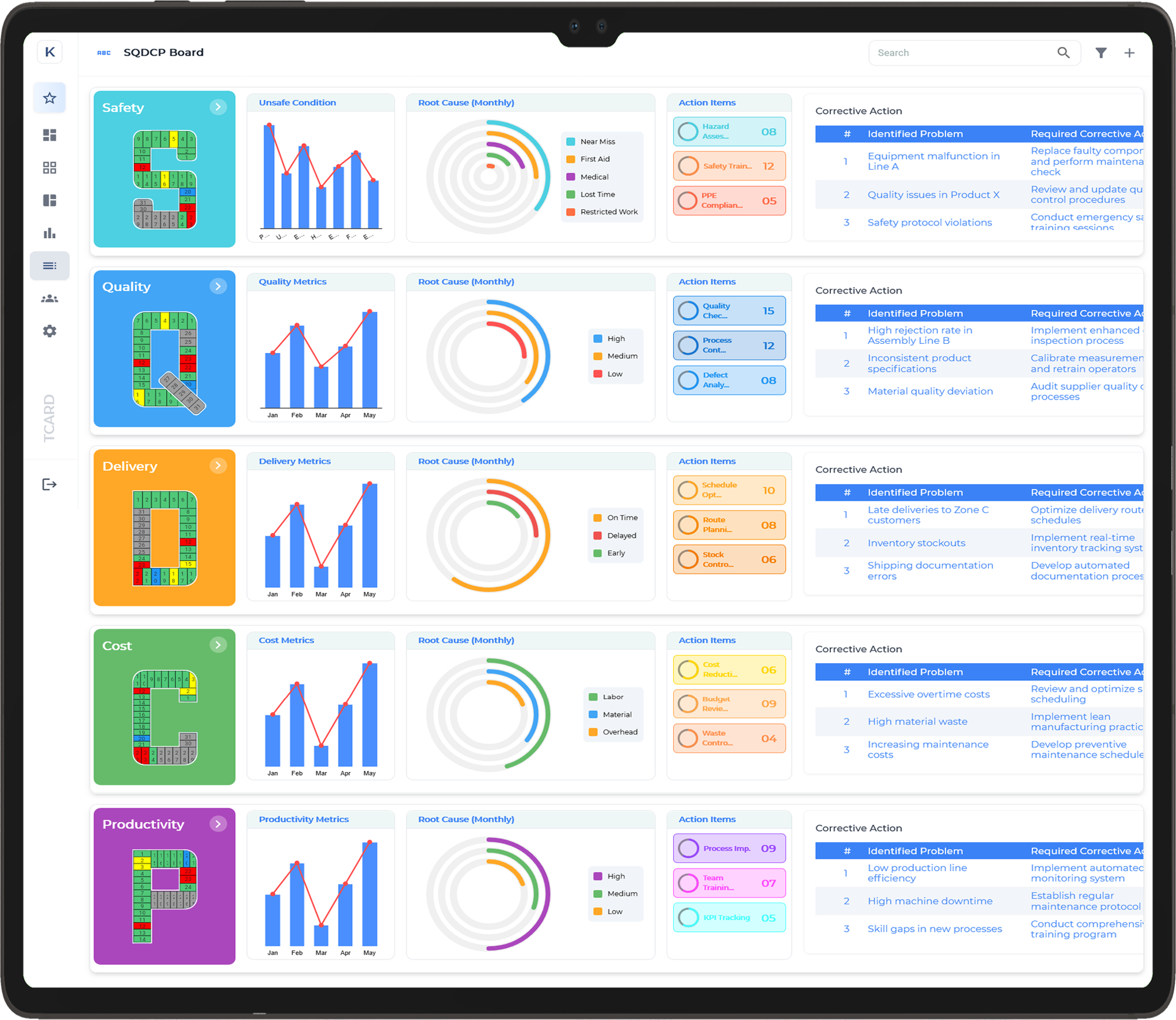
A digital SQDCP Board is an online platform that displays key performance metrics in Safety, Quality, Delivery, Cost, and People. Unlike traditional physical boards, digital boards offer real-time updates, automated data collection, and remote accessibility. This makes it easier for managers and teams to monitor performance across multiple areas of the shop floor simultaneously.
Providing Real-Time Performance Insights
Digital SQDCP boards provide instant visibility into operational metrics. Teams can track production progress, quality levels, safety incidents, and cost performance in real time. This immediate feedback allows for quicker identification of issues, enabling prompt corrective actions and reducing the risk of delays or errors.
Enhancing Data Accuracy and Analysis
Automated data collection reduces the chance of errors caused by manual entry. Digital boards can store historical data, generate reports, and identify trends over time. These insights help managers make informed decisions, implement improvements, and measure the impact of process changes accurately.
Encouraging Collaboration and Accountability
Digital boards promote cross-functional collaboration by making performance data accessible to all team members, regardless of location. Assigning responsibilities and tracking progress digitally ensures accountability and motivates employees to take ownership of their tasks, fostering a culture of transparency and high performance.
Supporting Continuous Improvement
By providing a clear overview of operational metrics, digital SQDCP boards support continuous improvement initiatives. Teams can analyse recurring issues, implement corrective actions, and track the results of improvements over time, driving efficiency, productivity, and overall operational excellence on the shop floor.
The Key Benefits of Moving from Physical to Digital SQDCP Boards
Real-Time Data Visibility
Switching from a physical to a digital SQDCP Board provides real-time visibility of key metrics in Safety, Quality, Delivery, Cost, and People. Digital boards update automatically, allowing teams and managers to monitor performance instantly. This ensures that any issues are identified and addressed promptly, improving responsiveness and operational efficiency.
Improved Accuracy and Reporting
Digital boards reduce the risk of errors associated with manual data entry on physical boards. Metrics are automatically captured and stored, allowing for accurate reporting and trend analysis. Teams can generate detailed reports, track performance over time, and make data-driven decisions that enhance overall shop floor management.
Enhanced Collaboration Across Teams
Digital SQDCP boards can be accessed remotely, making them ideal for distributed or multi-shift teams. By providing a centralised platform for sharing information, digital boards foster cross-functional collaboration, improve communication, and ensure everyone is aligned with operational goals and performance expectations.
Facilitating Continuous Improvement
With digital boards, teams can track recurring issues, analyse trends, and implement corrective actions more effectively. This continuous monitoring supports ongoing process improvements, helps reduce waste, and drives higher efficiency. Over time, these improvements contribute to better quality, faster delivery, and lower costs.
Increasing Accountability and Engagement
Digital SQDCP boards make it easier to assign responsibilities and track progress, increasing accountability among team members. Employees can see how their contributions impact overall performance, which motivates engagement and encourages a culture of ownership, collaboration, and continuous improvement across the organisation.
Enhancing Safety Across the Shop Floor with Digital Monitoring
Real-Time Safety Tracking
Digital monitoring on SQDCP boards enhances shop floor safety by providing real-time visibility into incidents, near misses, and potential hazards. Teams can immediately identify safety risks and take corrective actions, reducing the likelihood of accidents and ensuring a safer work environment for all employees.
Early Identification of Risks
Digital boards allow for continuous monitoring of safety metrics, making it easier to spot trends or recurring issues. Early detection of risks enables managers and teams to implement preventive measures before incidents occur, minimizing downtime and maintaining operational continuity.
Encouraging Accountability
With digital SQDCP boards, responsibilities for safety actions are clearly assigned and tracked. Team members understand their role in maintaining safety standards, fostering accountability and active participation in safety initiatives. This shared responsibility strengthens the overall safety culture on the shop floor.
Improving Communication and Collaboration
Digital boards make safety data accessible to all relevant teams, promoting cross-functional collaboration. Daily reviews and updates encourage discussions around potential hazards and best practices, ensuring that everyone is aligned in maintaining a secure and compliant working environment.
Supporting Continuous Safety Improvement
By tracking safety performance over time, digital SQDCP boards provide valuable insights for continuous improvement. Teams can analyse past incidents, refine procedures, and implement preventive actions, gradually enhancing safety standards and creating a proactive, high-performance workplace culture.
Improving Product Quality Through Real-Time Digital SQDCP Tracking
Real-Time Quality Monitoring
Digital SQDCP boards provide instant visibility into product quality metrics, including defects, rework, and process deviations. By tracking these indicators in real time, teams can identify issues as they occur, enabling prompt corrective actions and reducing the risk of defective products reaching customers.
Identifying Patterns and Root Causes
Continuous monitoring of quality metrics allows teams to spot trends and recurring issues quickly. Digital tracking helps uncover root causes of defects, making it easier to implement lasting solutions. This proactive approach prevents repeated mistakes and ensures consistent product standards across all operations.
Enhancing Collaboration and Accountability
Digital SQDCP boards make quality data accessible to all team members, fostering collaboration between departments. Assigning responsibilities for corrective actions ensures accountability and encourages teams to actively participate in maintaining high standards. This shared ownership drives a culture focused on quality improvement.
Supporting Data-Driven Decisions
With automated data collection and reporting, digital boards provide managers with accurate insights into production performance. Teams can analyse trends, assess the effectiveness of interventions, and make informed decisions to optimise processes. This data-driven approach strengthens product quality management.
Promoting Continuous Improvement
Real-time digital SQDCP tracking supports a continuous improvement mindset. By learning from past issues, implementing preventive measures, and refining processes over time, teams can achieve higher product quality, reduce waste, and enhance customer satisfaction, contributing to overall operational excellence.
Ensuring On-Time Delivery with a Digital SQDCP Board
Monitoring Delivery Metrics in Real Time
A digital SQDCP Board allows teams to track delivery performance across production lines in real time. Key metrics such as production schedules, order progress, and lead times are displayed instantly, enabling teams to spot potential delays and take corrective actions before they affect delivery commitments.
Identifying Bottlenecks Quickly
Digital boards highlight areas where delays may occur, such as equipment downtime, resource shortages, or workflow inefficiencies. Early identification of these bottlenecks allows teams to prioritise tasks, reallocate resources, and adjust schedules, ensuring that production stays on track and delivery deadlines are met.
Enhancing Collaboration Across Teams
Delivery performance often depends on multiple teams working together efficiently. A digital SQDCP Board promotes cross-functional collaboration by providing all team members with access to the same data. Daily reviews encourage communication, alignment, and joint problem-solving, reducing misunderstandings and improving coordination.
Supporting Data-Driven Decision Making
Automated tracking and reporting allow managers to analyse trends, evaluate process efficiency, and make informed decisions. By understanding where delays are likely to occur and the impact of corrective actions, teams can optimise production flow and maintain consistent delivery performance.
Driving Continuous Improvement
Digital SQDCP boards support continuous improvement by capturing historical delivery data and highlighting recurring issues. Teams can implement process enhancements, refine scheduling practices, and reduce lead times, ultimately ensuring more reliable on-time delivery and higher customer satisfaction.
Reducing Operational Costs Through Digital Insights
Real-Time Cost Monitoring
Digital SQDCP boards provide instant visibility into operational costs across Safety, Quality, Delivery, Cost, and People. By tracking expenses in real time, teams can identify areas where costs are higher than expected and take immediate action to control spending. This proactive approach prevents minor inefficiencies from escalating into significant financial losses.
Identifying Waste and Inefficiencies
Digital insights help highlight inefficiencies such as excessive material usage, equipment downtime, or unnecessary overtime. By identifying these issues quickly, teams can implement corrective actions that reduce waste, streamline processes, and improve resource utilisation, ultimately lowering operational costs.
Enhancing Decision-Making with Data
Automated reporting and analytics allow managers to make informed, data-driven decisions. By understanding cost trends and the impact of previous actions, teams can prioritise initiatives that deliver the greatest financial benefit. This ensures that cost-reduction strategies are effective and aligned with operational goals.
Promoting Accountability Across Teams
Digital SQDCP boards assign responsibility for cost-related actions, ensuring team members are accountable for their part in controlling expenses. This clarity motivates employees to follow best practices, adopt efficient methods, and contribute to overall cost-saving efforts.
Supporting Continuous Cost Improvement
By consistently monitoring cost metrics, digital SQDCP boards enable ongoing improvement initiatives. Teams can analyse recurring issues, implement process enhancements, and track results over time. This continuous focus on efficiency drives long-term cost reduction, better profitability, and sustainable operational performance.
Empowering Teams and Enhancing People Management Digitally
Tracking People Metrics in Real Time
Digital SQDCP boards provide instant visibility into people-related metrics such as attendance, workload, skills, and training requirements. By monitoring these metrics in real time, managers can identify issues quickly and offer support where needed, ensuring teams are well-resourced and capable of meeting operational goals.
Promoting Accountability and Ownership
Assigning responsibilities digitally ensures that each team member knows their role in achieving performance targets. Digital boards track progress and completion of tasks, fostering accountability and motivating employees to take ownership of their work. Clear responsibilities help build trust and encourage proactive problem-solving.
Facilitating Skill Development
Digital tracking enables managers to identify skill gaps and training needs across the workforce. By providing targeted development opportunities, employees can improve their capabilities, enhancing overall team performance. This approach ensures continuous growth and prepares staff for more complex responsibilities over time.
Encouraging Collaboration and Communication
Digital SQDCP boards make performance data accessible to all relevant team members, promoting collaboration across departments. Teams can share insights, discuss challenges, and coordinate actions efficiently, ensuring smooth workflows and better alignment with organisational objectives.
Supporting Continuous People Management Improvement
By analysing trends and reviewing performance data over time, digital boards help managers refine people management practices. Continuous monitoring, feedback, and process enhancements empower teams, improve engagement, and foster a high-performance culture that drives operational excellence.
Identifying and Solving Shop Floor Issues in Real Time
Real-Time Issue Detection
Digital SQDCP boards provide immediate visibility into key metrics across Safety, Quality, Delivery, Cost, and People. This real-time monitoring allows teams to quickly identify deviations from expected performance, such as production delays, quality defects, or safety incidents. Early detection prevents minor problems from escalating into major operational disruptions.
Prioritising Critical Issues
Once issues are identified, digital boards help prioritise which problems need urgent attention. Teams can focus resources on high-impact areas, ensuring that critical bottlenecks are resolved first. This prioritisation keeps production flowing smoothly and reduces downtime, maintaining overall operational efficiency.
Facilitating Immediate Corrective Actions
Digital SQDCP boards allow team members to assign and track corrective actions in real time. Responsibilities are clearly allocated, and progress can be monitored continuously. This ensures that issues are addressed promptly, improving responsiveness and preventing repeat problems.
Encouraging Collaboration Across Teams
Many shop floor issues require input from multiple departments. Digital boards promote collaboration by providing a shared platform where teams can discuss problems, share insights, and coordinate solutions. This collective approach enhances problem-solving and ensures alignment across the organisation.
Supporting Continuous Improvement
By tracking and analysing recurring issues, digital SQDCP boards enable teams to implement long-term improvements. Learning from past challenges, refining processes, and monitoring outcomes over time fosters a culture of continuous improvement, leading to higher efficiency, better quality, and stronger overall performance.
Supporting Continuous Improvement (Kaizen) with Digital Tools
Real-Time Monitoring for Continuous Improvement
Digital SQDCP tools provide real-time visibility into performance metrics across Safety, Quality, Delivery, Cost, and People. This immediate access to data allows teams to identify areas for improvement quickly and implement corrective actions without delay. By continuously monitoring processes, organisations can address issues before they escalate, supporting a culture of Kaizen.
Identifying Patterns and Root Causes
Digital tools enable teams to track trends over time, making it easier to identify recurring problems or inefficiencies. Analysing these patterns helps uncover root causes, allowing for targeted interventions that prevent the same issues from occurring in the future. This systematic approach strengthens operational processes and enhances overall efficiency.
Encouraging Collaboration and Engagement
Digital SQDCP platforms foster collaboration by making performance data accessible to all team members. Daily or regular reviews encourage teams to discuss challenges, share insights, and jointly develop solutions. Engaged employees are more likely to take ownership of improvements, driving collective responsibility and better outcomes.
Tracking and Measuring Improvements
With digital tools, organisations can record completed actions and measure the results of implemented changes. This provides clear evidence of improvement, allowing teams to evaluate effectiveness, refine strategies, and ensure that efforts lead to measurable operational gains.
Embedding a Culture of Continuous Improvement
By consistently using digital SQDCP tools to monitor, analyse, and act on performance data, organisations reinforce a culture of continuous improvement. Teams develop a habit of seeking incremental gains, enhancing efficiency, quality, and overall performance over time.
How Digital SQDCP Boards Drive Accountability on the Shop Floor
Clear Visibility of Performance Metrics
Digital SQDCP boards display key performance indicators across Safety, Quality, Delivery, Cost, and People in real time. This transparency allows all team members to see current performance levels, understand expectations, and recognise where improvements are needed. Clear visibility creates a foundation for accountability, as everyone can track their contributions to operational goals.
Assigning Responsibilities Effectively
Digital boards allow managers to assign specific tasks and responsibilities for addressing issues or achieving targets. By linking actions to individual team members and tracking progress digitally, employees understand their role in maintaining performance standards. This clarity reduces confusion and strengthens personal accountability on the shop floor.
Monitoring Progress in Real Time
Digital SQDCP boards provide instant updates on task completion and operational performance. Real-time monitoring ensures that team members are aware of pending responsibilities, deadlines, and results, encouraging timely action. Immediate feedback also motivates employees to stay focused and accountable for their tasks.
Promoting Team Engagement
By making performance data accessible to all, digital boards foster collaboration and shared responsibility. Team members actively participate in daily reviews, discuss challenges, and propose solutions, which reinforces a culture of accountability and ownership.
Supporting Continuous Improvement
Tracking actions and outcomes digitally allows teams to learn from past performance, refine processes, and implement improvements. Continuous monitoring strengthens accountability over time and ensures that high standards are consistently maintained, driving operational excellence across the shop floor.
Integrating Digital SQDCP Data with Manufacturing KPIs
Aligning Operational Metrics with Strategic Goals
Digital SQDCP boards capture real-time data across Safety, Quality, Delivery, Cost, and People. Integrating this data with key manufacturing KPIs ensures that daily operations directly support strategic objectives. Teams can see how their activities impact overall performance, creating a clear link between shop floor actions and business goals.
Providing Real-Time Performance Insights
By combining digital SQDCP metrics with KPIs, managers gain immediate insights into operational efficiency. Real-time monitoring allows teams to detect deviations, address bottlenecks, and implement corrective actions quickly. This proactive approach helps maintain production targets, reduce delays, and ensure consistent quality standards.
Enhancing Data Accuracy and Reporting
Digital integration reduces errors from manual data entry and provides accurate, reliable information for analysis. Historical tracking and automated reporting allow teams to evaluate trends, measure progress against KPIs, and make informed decisions. This strengthens operational planning and supports continuous improvement initiatives.
Encouraging Accountability and Ownership
Linking SQDCP data to KPIs makes responsibilities and expectations transparent. Team members understand their role in achieving key targets, fostering accountability and motivating them to perform at higher standards. Clear ownership drives consistent engagement and commitment across the workforce.
Supporting Continuous Improvement
Integrated digital data enables teams to identify recurring issues, test solutions, and track results over time. This structured approach ensures that improvements are measurable, sustainable, and aligned with organisational KPIs, driving operational excellence and a culture of continuous performance enhancement.
Physical vs Digital SQDCP Boards: Which Is Right for Your Team?
Understanding Physical SQDCP Boards
Physical SQDCP boards are traditional wall-mounted displays showing metrics for Safety, Quality, Delivery, Cost, and People. They provide instant visual feedback, encouraging on-site engagement during daily stand-up meetings. Physical boards are ideal for teams working in the same location, as they promote face-to-face communication and immediate problem-solving.
Benefits of Physical Boards
Physical boards are simple to use and highly visible to all team members. They encourage participation, accountability, and collaboration by allowing employees to update data, track progress, and discuss issues collectively. Their tangible format helps maintain focus on key performance areas without relying on technology.
Understanding Digital SQDCP Boards
Digital SQDCP boards use online platforms to display the same performance metrics. They offer real-time updates, automated data collection, and remote access, making them suitable for multi-location or hybrid teams. Digital boards provide historical data, trend analysis, and integration with other systems, allowing managers to make informed, data-driven decisions.
Benefits of Digital Boards
Digital boards improve accuracy by reducing manual entry errors and provide immediate visibility across shifts and sites. Teams can monitor performance trends, assign responsibilities, and track progress effectively. They also support reporting and analysis, enabling continuous improvement and efficient operational management.
Choosing the Right Option
The choice between physical and digital SQDCP boards depends on your team’s structure, workflow, and operational needs. Physical boards are best for co-located teams seeking hands-on engagement, while digital boards suit distributed teams requiring remote monitoring and advanced data analysis. Selecting the right type ensures maximum performance and effective SQDCP implementation.
Common Implementation Challenges and How to Overcome Them
Resistance to Change
One of the main challenges when implementing SQDCP boards is resistance from employees who are accustomed to existing processes. To overcome this, it is important to communicate the benefits clearly and involve team members early in the process. Training sessions and demonstrations can help staff understand how the board improves daily operations and supports their work.
Inconsistent Updates
A common problem is failing to update the board regularly, which reduces its effectiveness. Establishing a clear routine for updating metrics and assigning responsibility to specific team members ensures that data remains accurate and relevant. Daily reviews can reinforce the habit of consistent updates.
Overloading the Board with Information
Adding too many metrics or details can overwhelm teams and make the board difficult to interpret. Focus on the most critical indicators for Safety, Quality, Delivery, Cost, and People, using simple visuals and clear colour coding. This keeps the board easy to read and actionable.
Lack of Engagement
If team members do not actively participate, the board loses its value. Encourage collaboration by involving employees in discussions, problem-solving, and action planning during daily reviews. Recognition of contributions can further motivate engagement and ownership.
Neglecting Continuous Improvement
Treating the board as a static tool prevents long-term benefits. Teams should regularly analyse trends, implement improvements, and monitor results. This approach fosters a culture of continuous improvement, enhances efficiency, and strengthens overall operational performance.
Measuring ROI: The Impact of Digital SQDCP Boards on Productivity
Improving Operational Efficiency
Digital SQDCP boards provide real-time visibility into key metrics across Safety, Quality, Delivery, Cost, and People. By monitoring these areas continuously, teams can identify bottlenecks, address issues promptly, and streamline workflows. This improvement in operational efficiency directly contributes to increased productivity and reduced downtime, enhancing overall return on investment.
Reducing Errors and Waste
Automated data collection on digital boards minimises errors caused by manual entry and ensures accurate tracking of processes. Identifying defects, delays, and inefficiencies early helps reduce waste and rework, which saves both time and resources. These cost and time savings are a clear indicator of the ROI from implementing digital SQDCP boards.
Enhancing Employee Accountability
Digital boards assign responsibilities and track progress in real time, fostering accountability among team members. Employees can clearly see the impact of their work on overall performance, which motivates them to maintain high standards. Increased engagement and ownership translate into higher productivity and operational consistency.
Supporting Data-Driven Decisions
By integrating digital SQDCP metrics with performance analytics, managers can make informed, data-driven decisions. This leads to more effective resource allocation, process improvements, and strategic planning, further boosting productivity and demonstrating tangible business benefits.
Enabling Continuous Improvement
Digital boards provide historical data and trend analysis, allowing teams to implement continuous improvement initiatives effectively. Tracking the results of these improvements over time ensures sustainable gains in productivity, reinforcing the measurable ROI of digital SQDCP board adoption.
Building a High-Performance Lean Culture with Digital SQDCP Boards
Enhancing Transparency and Visibility
Digital SQDCP boards provide real-time visibility into key metrics for Safety, Quality, Delivery, Cost, and People. This transparency allows every team member to see current performance levels and understand operational priorities. Clear visibility fosters accountability and ensures that everyone is aligned with organisational goals, which is essential for a high-performance lean culture.
Promoting Accountability and Ownership
Digital boards assign responsibilities and track progress in real time, helping employees understand their role in achieving performance targets. This clarity motivates individuals to take ownership of their tasks and encourages proactive problem-solving. A culture of accountability strengthens team engagement and drives consistent operational performance.
Supporting Continuous Improvement
Digital SQDCP boards provide data-driven insights that help teams identify recurring issues and implement corrective actions. By monitoring trends and evaluating results, organisations can continuously refine processes, reduce waste, and improve efficiency. This systematic approach embeds a culture of continuous improvement throughout the organisation.
Encouraging Collaboration and Communication
Digital boards make performance data accessible to all relevant team members, promoting cross-functional collaboration. Daily reviews and discussions around metrics enable teams to share knowledge, address challenges together, and align on objectives. Effective communication strengthens teamwork and contributes to a high-performance environment.
Aligning Daily Work with Strategic Goals
By linking daily activities to broader organisational objectives, digital SQDCP boards ensure that every action supports overall strategy. Teams can focus on key priorities, make informed decisions, and drive results that reinforce a high-performance lean culture, boosting productivity and operational excellence.