What Are Real-Time KPI Dashboards and How Do They Work?
Understanding Real-Time KPI Dashboards
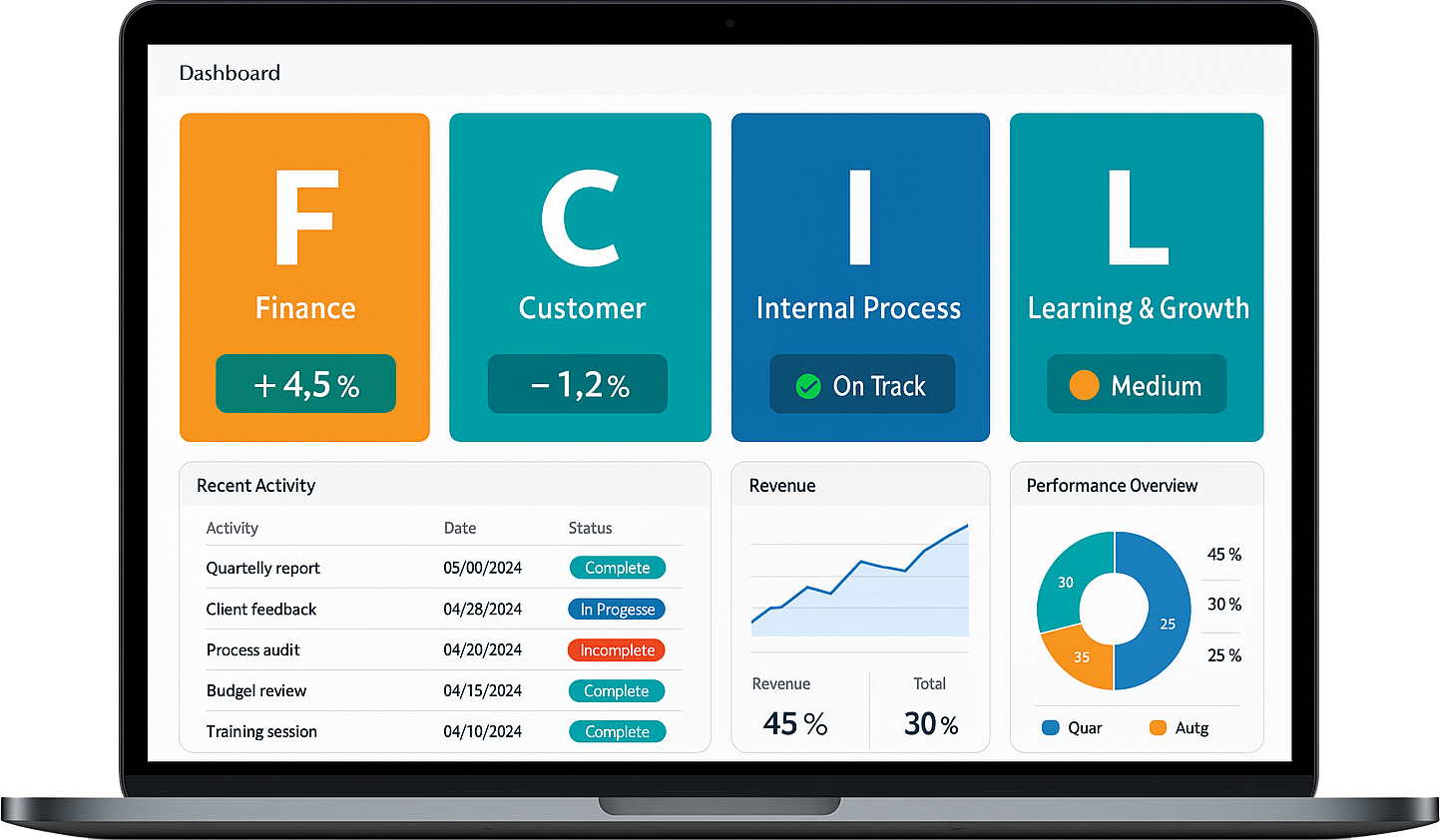
Real-time KPI dashboards are visual tools that display live performance data in an easy-to-understand format. They allow organisations to monitor key performance indicators as activities happen, rather than relying on delayed reports. This immediate visibility helps teams stay aware of progress and respond quickly to changes.
How Data Is Collected and Displayed
Dashboards pull data automatically from operational systems and update metrics continuously. Information is presented using charts, graphs, and indicators so users can quickly assess performance without analysing complex data. This clarity reduces confusion and saves valuable time.
Supporting Daily Decision-Making
By providing up-to-date insights, real-time dashboards help managers and teams make informed decisions based on current facts rather than assumptions. Issues can be identified early, allowing corrective action before problems grow.
Improving Transparency Across Teams
When everyone sees the same live data, alignment improves. Teams understand priorities, track progress clearly, and work towards shared objectives with confidence.
Why Remote and Distributed Teams Need Real-Time Performance Visibility
Challenges of Remote Working
Remote and distributed teams often face reduced visibility into daily activities and outcomes. Without real-time performance data, managers may struggle to understand progress, while employees may feel disconnected from organisational goals.
Creating Clarity and Focus
Real-time visibility ensures everyone knows what is happening across the organisation, regardless of location. Clear performance metrics help teams focus on what matters most and reduce uncertainty.
Building Trust and Confidence
Live performance data removes the need for constant check-ins. Teams feel trusted to deliver results, while leaders gain confidence that work is progressing as expected.
Supporting Consistent Performance
By monitoring results continuously, organisations can maintain consistent performance standards across all locations, ensuring fairness and accountability.
Improving Communication Across Remote Teams with Live Data
Replacing Guesswork with Facts
Live data provides a common reference point for discussions, reducing misunderstandings and assumptions. Conversations become more productive and focused.
Supporting Clear and Timely Updates
Instead of lengthy status meetings, teams can rely on dashboards for instant updates. This saves time and keeps communication relevant.
Encouraging Open Performance Discussions
Transparent data supports honest conversations about progress, challenges, and improvements without personal bias.
Strengthening Team Connection
Shared access to live information helps remote teams feel connected and informed, despite physical distance.
Driving Accountability Without Micromanagement
Shifting Focus to Outcomes
Performance dashboards focus attention on results rather than activities. This allows managers to evaluate success based on outcomes, not constant supervision.
Empowering Teams to Self-Manage
When teams can see their own performance data, they take greater ownership of their work and proactively address issues.
Reducing Unnecessary Oversight
Clear performance visibility removes the need for frequent check-ins, allowing managers to support rather than control.
Building a Culture of Trust
Accountability becomes a shared responsibility, fostering trust and confidence across the organisation.
Supporting Faster Decision-Making for Distributed Teams
Accessing Information Instantly
Real-time dashboards ensure decision-makers have immediate access to accurate data, no matter where they are located.
Responding Quickly to Changes
Live insights allow teams to react to performance changes as they happen, reducing delays and risks.
Improving Confidence in Decisions
Decisions based on current data are more reliable, helping leaders act with clarity and assurance.
Maintaining Momentum
Fast decision-making keeps projects moving forward and supports continuous improvement.
Tracking Productivity and Performance Transparently
Creating Clear Performance Standards
Transparent tracking ensures everyone understands how productivity is measured and what success looks like.
Encouraging Fair Evaluation
Consistent metrics reduce bias and support objective performance assessment across teams.
Identifying Improvement Opportunities
Visible trends highlight strengths and areas for improvement, enabling targeted action.
Supporting Continuous Improvement
Regular performance insight encourages learning, adaptation, and sustained productivity growth.
Reducing Reporting Delays and Manual Updates
Challenges with Traditional Reporting
Manual reporting processes often rely on spreadsheets, emails, and periodic updates. This approach creates delays, increases the risk of errors, and consumes valuable time. By the time reports are shared, the information is often outdated, limiting its usefulness.
Real-Time Data Availability
Live dashboards remove delays by automatically updating performance data as work happens. Teams no longer need to wait for weekly or monthly reports, enabling faster awareness of progress and issues.
Reducing Administrative Effort
Automated updates eliminate repetitive manual tasks such as data entry and consolidation. This allows employees to focus on productive work rather than preparing reports.
Improving Accuracy and Consistency
Using a single source of live data ensures consistency across the organisation. Everyone works with the same information, reducing confusion and improving trust in performance data.
Enabling Managers to Identify Issues Early, Anywhere
Limited Visibility in Remote Teams
When teams work remotely, managers may struggle to spot problems early. Without timely insight, small issues can grow into larger performance challenges.
Using Live Performance Indicators
Real-time dashboards highlight changes in performance immediately. Trends, delays, or drops in output become visible as they occur.
Supporting Proactive Management
Early visibility allows managers to address issues before they affect results. Support can be provided quickly, improving outcomes for both teams and projects.
Managing from Any Location
With performance data accessible anywhere, managers can stay informed and responsive regardless of location, ensuring consistent oversight.
Supporting Continuous Improvement in Remote Working Environments
Creating a Feedback-Driven Culture
Continuous improvement relies on regular feedback and learning. Remote teams benefit from clear performance data that highlights what is working well and what needs attention.
Monitoring Trends Over Time
Dashboards make it easier to track progress and identify patterns. Teams can review performance trends and adjust their approach based on evidence.
Encouraging Ownership of Improvement
When employees see their own results, they become more engaged in improving outcomes. This promotes responsibility and self-driven improvement.
Embedding Improvement into Daily Work
Live data keeps improvement efforts active and ongoing, rather than limited to occasional reviews.
Customising Dashboards for Different Roles and Locations
Different Needs Across the Organisation
Not all roles require the same performance information. Executives, managers, and team members each need tailored insights.
Role-Based Performance Views
Custom dashboards ensure users see only relevant metrics. This improves clarity and reduces information overload.
Supporting Local and Regional Focus
Location-based views allow teams to monitor performance relevant to their area while remaining aligned with overall objectives.
Improving Engagement and Usability
When dashboards reflect real needs, users are more likely to engage with data and act on insights.
Integrating KPI Dashboards with Existing Work and Collaboration Tools
Reducing System Switching
Switching between multiple tools can disrupt focus and slow work. Integrated dashboards bring performance data closer to daily activities.
Improving Workflow Efficiency
When dashboards align with existing processes, teams can review performance without interrupting their workflow.
Supporting Consistent Data Flow
Integration ensures data updates automatically, keeping information current and reliable.
Enhancing Team Collaboration
Shared access to performance data supports better discussions, coordination, and decision-making.
Improving Engagement and Motivation Through Clear Performance Metrics
Clarity Drives Motivation
Employees are more motivated when they understand how success is measured. Clear metrics remove uncertainty and provide direction.
Connecting Effort to Results
Visible performance outcomes help individuals see the impact of their work, increasing job satisfaction.
Encouraging Positive Competition
Transparent metrics can inspire healthy competition and shared achievement across teams.
Recognising Progress and Success
Tracking improvement allows organisations to acknowledge effort and reinforce positive behaviour.
Measuring ROI and Business Impact of Remote Performance Management
Understanding Return on Investment
Measuring ROI helps organisations understand whether remote performance initiatives deliver value and support strategic goals.
Linking Performance to Outcomes
Clear metrics connect productivity, quality, and efficiency to business results, providing meaningful insight.
Supporting Better Investment Decisions
Reliable data helps leaders invest resources in initiatives that deliver the greatest impact.
Demonstrating Long-Term Value
Tracking results over time confirms whether performance management efforts are sustainable and effective.
Building a High-Performance Culture Across Remote and Hybrid Teams
Defining Clear Expectations
A high-performance culture begins with clear goals and measurable outcomes that everyone understands.
Encouraging Accountability and Trust
Transparent performance data supports accountability without constant supervision, building trust.
Promoting Consistent Standards
Shared metrics ensure performance expectations remain consistent across remote and hybrid teams.
Supporting Sustainable Performance
Embedding performance management into daily work helps organisations achieve long-term success.