What Is Kanban and How It Supports Organisational Growth
Understanding Kanban
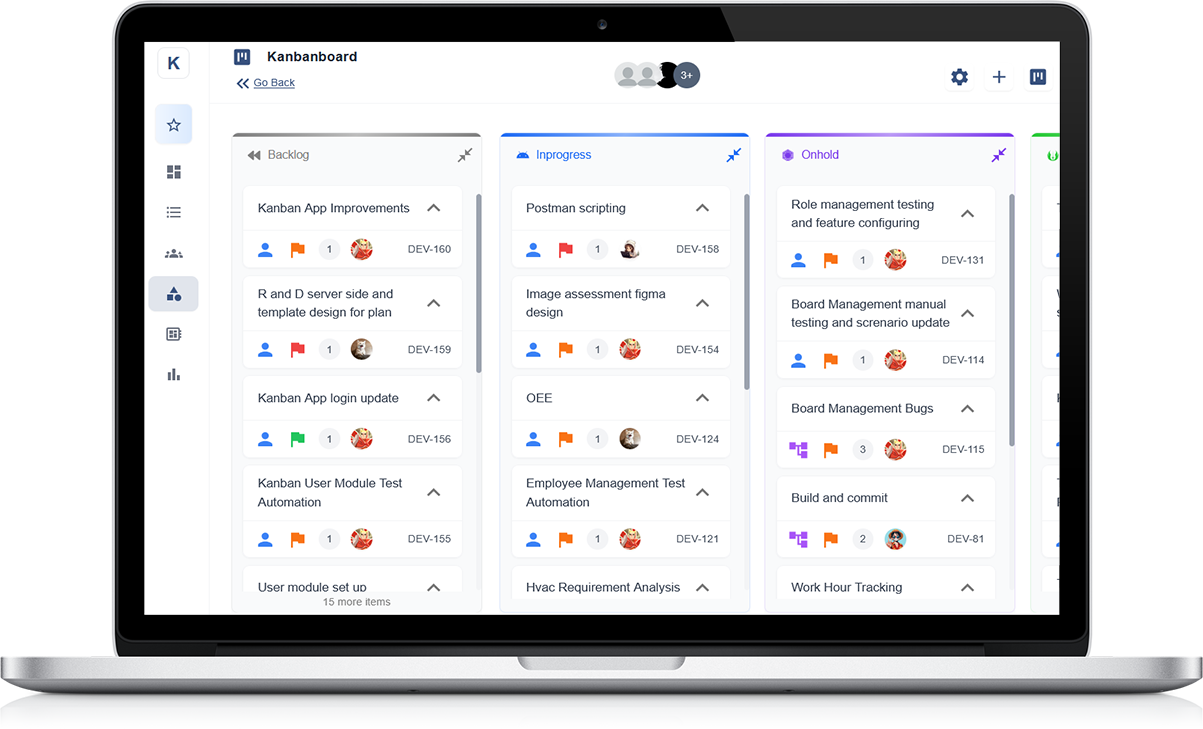
Kanban is a visual workflow management system that helps organisations track tasks, optimise processes, and manage inventory efficiently. It uses boards, cards, and signals to make work visible, ensuring clarity and accountability across teams.
Supporting Organisational Growth
By improving transparency and workflow efficiency, Kanban supports scalable growth. Teams can handle increasing workloads without bottlenecks, make faster decisions, and maintain quality standards as operations expand.
Driving Continuous Improvement
Kanban encourages small, incremental process improvements. Teams monitor performance metrics, adjust workflows, and refine practices. This culture of continuous improvement enhances productivity and fosters sustainable organisational growth.
Aligning Teams and Objectives
With clear visualisation and defined processes, Kanban helps align teams with strategic goals. Everyone understands priorities and responsibilities, ensuring coordinated efforts that support overall business expansion.
The Core Principles of Kanban for Business Efficiency
Visualise Work
Kanban makes tasks and workflows visible through boards and cards. This transparency allows teams to understand progress, identify bottlenecks, and prioritise effectively, improving operational efficiency.
Limit Work in Progress
Restricting the number of tasks in progress prevents overload, reduces errors, and ensures focus on completing tasks. WIP limits support smooth workflow and consistent performance.
Manage Flow
Monitoring how work moves through the system helps teams maintain steady progress and minimise delays. Flow management ensures resources are used effectively and objectives are met on time.
Continuous Improvement
Kanban promotes a culture of iterative enhancement. Teams regularly review metrics, adjust processes, and implement small improvements that collectively drive business efficiency.
Improving Workflow and Reducing Bottlenecks with Kanban
Identifying Bottlenecks
Kanban boards highlight stages where tasks are delayed, allowing teams to identify bottlenecks early. Visual tracking ensures that slowdowns are visible and addressed promptly.
Optimising Task Flow
Once bottlenecks are identified, teams can redistribute tasks, adjust WIP limits, and prioritise strategically. This optimisation reduces delays and maintains a consistent workflow.
Using Metrics to Improve Efficiency
Performance metrics like cycle time, lead time, and throughput provide insights into process efficiency. Analysing these metrics helps teams refine workflows and prevent future bottlenecks.
Encouraging Team Collaboration
Collaborative problem-solving ensures that bottlenecks are resolved efficiently. Teams share insights, propose adjustments, and implement improvements collectively, promoting smoother operations.
Enhancing Team Collaboration Through Visual Management
Using Visual Tools
Kanban boards and cards provide a shared visual representation of tasks, deadlines, and responsibilities. This transparency fosters collaboration, as all team members understand current priorities and progress.
Promoting Clear Communication
Visual management reduces misunderstandings by making information accessible to everyone. Teams can quickly identify dependencies, potential delays, and areas requiring support.
Encouraging Joint Problem-Solving
When challenges arise, visual cues facilitate team discussions and collective decision-making. Collaborative approaches ensure that solutions are implemented efficiently and effectively.
Supporting Alignment and Coordination
Visual management aligns team efforts, ensuring that everyone works toward common objectives. It enhances accountability, coordination, and overall operational harmony.
Optimising Resource Allocation Using Kanban Boards
Tracking Workloads
Kanban boards provide a clear view of current tasks and responsibilities, allowing managers to assess workloads accurately. This visibility ensures resources are allocated where they are most needed.
Balancing Capacity and Demand
By monitoring WIP limits and task flow, teams can prevent overloading or underutilising staff. Balancing capacity with demand optimises performance and avoids delays.
Prioritising Critical Tasks
Kanban allows teams to focus on high-impact tasks first. Proper prioritisation ensures that limited resources are used effectively and organisational objectives are met on time.
Continuous Adjustment
Resource allocation is reviewed regularly based on performance data. Adjustments ensure that teams remain productive, workloads are manageable, and goals are achieved efficiently.
Tracking Performance and Productivity in Real Time
Real-Time Visibility
Kanban provides instant insight into task progress and team performance. Visual boards and digital tools show which tasks are complete, in progress, or delayed, helping teams respond quickly.
Measuring Key Metrics
Performance indicators such as lead time, cycle time, throughput, and completion rates provide actionable insights. Monitoring these metrics ensures productivity remains high and objectives are met efficiently.
Identifying Areas for Improvement
Regularly tracking performance allows teams to spot inefficiencies and delays. Early detection of issues enables prompt corrective actions and continuous workflow optimisation.
Encouraging Accountability
Transparency in task progress and productivity metrics motivates team members to take ownership of responsibilities. Accountability ensures that work is completed accurately and on time.
Using Kanban to Align Teams with Organisational Goals
Creating Shared Visibility
Kanban boards show all tasks and their relation to larger objectives. Teams understand how individual work contributes to organisational priorities, improving alignment and focus.
Prioritising Strategic Work
Tasks that support key organisational goals are highlighted and prioritised. This ensures that resources and effort are directed toward high-value activities that advance business objectives.
Enhancing Coordination
Teams can synchronise their efforts with other departments, avoiding duplication and delays. Visual cues and regular updates ensure that everyone works toward common goals efficiently.
Driving Accountability and Engagement
Clear links between tasks and organisational objectives foster accountability. Team members are motivated to deliver results, contributing to both personal performance and overall business success.
Driving Continuous Improvement (Kaizen) Across Departments
Understanding Kaizen
Kaizen is a philosophy of continuous, incremental improvement applied across all levels of an organisation. In a Kanban context, it encourages departments to identify inefficiencies, enhance workflows, and maintain consistent quality.
Cross-Departmental Collaboration
Continuous improvement requires communication and collaboration between departments. Sharing insights, analysing performance data, and discussing solutions helps all teams adopt best practices and streamline operations collectively.
Monitoring Metrics for Improvement
Teams track key performance indicators, workflow efficiency, and task completion times. This data allows departments to pinpoint areas for improvement and implement targeted interventions, ensuring measurable progress.
Embedding a Culture of Improvement
By adopting Kaizen principles across departments, organisations create a culture of accountability, learning, and proactive problem-solving. Teams continuously seek enhancements, resulting in long-term operational excellence and sustainable growth.
How Kanban Supports Lean Operational Practices
Eliminating Waste
Kanban emphasises efficiency by eliminating waste in processes. By visualising work, identifying bottlenecks, and limiting unnecessary tasks, teams reduce delays and optimise resource use.
Optimising Flow
Kanban maintains a smooth flow of tasks and inventory through careful monitoring of WIP limits and visual cues. This ensures processes are lean, responsive, and free from unnecessary interruptions.
Continuous Improvement
Lean practices align with Kanban’s focus on iterative improvements. Teams analyse workflow metrics, experiment with adjustments, and refine processes, ensuring long-term efficiency and value creation.
Focus on Value Delivery
Kanban prioritises high-value tasks that support organisational goals. By concentrating on what matters most, teams ensure resources are used effectively, supporting lean operational excellence.
Measuring ROI and Growth from Kanban Implementation
Tracking Performance Metrics
ROI measurement begins with tracking key performance metrics such as lead time, throughput, and cycle time. These metrics show how efficiently the Kanban system contributes to organisational outcomes.
Evaluating Cost Savings
Kanban helps reduce waste, optimise resources, and streamline processes, resulting in cost savings. Comparing costs before and after implementation provides a tangible measure of return on investment.
Assessing Productivity Gains
Teams become more productive as workflows are clarified and bottlenecks removed. Monitoring output and task completion rates highlights the impact of Kanban on overall productivity.
Linking to Organisational Growth
By improving efficiency, quality, and resource allocation, Kanban supports business growth. Measuring these improvements allows management to quantify ROI and justify continued adoption.
Scaling Kanban Practices Across Multiple Teams or Locations
Establishing Standard Processes
Scaling Kanban requires clear standards for boards, cards, and WIP limits across all teams or locations. Standardisation ensures consistency, making it easier to track performance and maintain quality.
Facilitating Communication
Cross-team communication is essential when scaling Kanban. Shared visual tools, regular meetings, and centralised dashboards help coordinate efforts and prevent workflow disruptions.
Monitoring Performance Metrics
Metrics such as throughput, cycle time, and completion rates should be consistently tracked across teams. This enables managers to compare performance, identify bottlenecks, and implement improvements effectively.
Adapting to Local Needs
While standardisation is important, individual teams may have unique workflows. Kanban allows flexibility to adapt processes while maintaining alignment with organisational goals.
Customising Kanban for Different Functions and Workflows
Assessing Functional Requirements
Different departments have distinct workflows. Customising Kanban involves analysing processes, task types, and priorities to design boards and cards that suit each function.
Adjusting WIP Limits
WIP limits should reflect team capacity and complexity of tasks. Customising these limits ensures that teams remain productive without overloading members.
Visualising Functional Workflows
Boards and cards can be tailored to display department-specific stages and signals. Visualisation improves transparency, communication, and task management.
Supporting Continuous Improvement
Customisation allows teams to monitor performance effectively and implement incremental changes. Tailored Kanban boards ensure continuous improvement is embedded in every function.
Integrating Kanban with Existing Project Management Systems
Mapping Workflows
Integration begins by mapping Kanban boards to existing project management processes. This ensures that tasks, deadlines, and resources align seamlessly across systems.
Synchronising Data
Project management tools and Kanban boards should share updates in real time. Synchronised data ensures visibility, reduces duplication, and supports informed decision-making.
Enhancing Collaboration
Integration facilitates collaboration across teams using different systems. Teams can coordinate tasks, monitor progress, and adjust priorities efficiently.
Maintaining Performance Metrics
Key metrics such as throughput, cycle time, and WIP should be tracked consistently across integrated systems. This allows for accurate performance evaluation and continuous improvement.
Overcoming Common Challenges in Kanban Adoption
Resistance to Change
Team members may resist new workflows. Overcoming this requires training, clear communication of benefits, and gradual implementation to build confidence and acceptance.
Managing Workload and WIP
Improper WIP limits or overloading can reduce efficiency. Teams should monitor workloads carefully, adjust limits, and prioritise tasks effectively.
Maintaining Consistency Across Teams
Standardised processes and regular check-ins help ensure that Kanban practices are applied consistently, avoiding confusion and workflow disruptions.
Embedding Continuous Improvement
Without a culture of Kaizen, Kanban may stagnate. Teams must regularly review metrics, implement iterative improvements, and foster proactive problem-solving.
Building a High-Performance, Growth-Oriented Organisational Culture
Establishing Clear Goals
Teams understand how their work contributes to strategic objectives. Kanban boards link daily tasks to organisational priorities, fostering alignment and focus.
Promoting Accountability
Visual tracking and performance metrics enhance accountability. Team members take ownership of responsibilities, improving efficiency and output quality.
Encouraging Learning and Innovation
A growth-oriented culture embraces feedback, experimentation, and continuous improvement. Teams are motivated to refine processes and adopt best practices.
Supporting Agile Practices
Kanban enables flexibility and responsiveness, allowing teams to adapt quickly to changes. Agile practices combined with a growth mindset drive high performance and sustainable organisational success.