What Is Balanced Scorecard Software and How Does It Support KPI Tracking?
Balanced Scorecard (BSC) Software is a performance management tool that helps organisations track objectives, measure key performance indicators (KPIs), and align strategies across departments. It provides a structured approach to monitoring progress and achieving business goals.
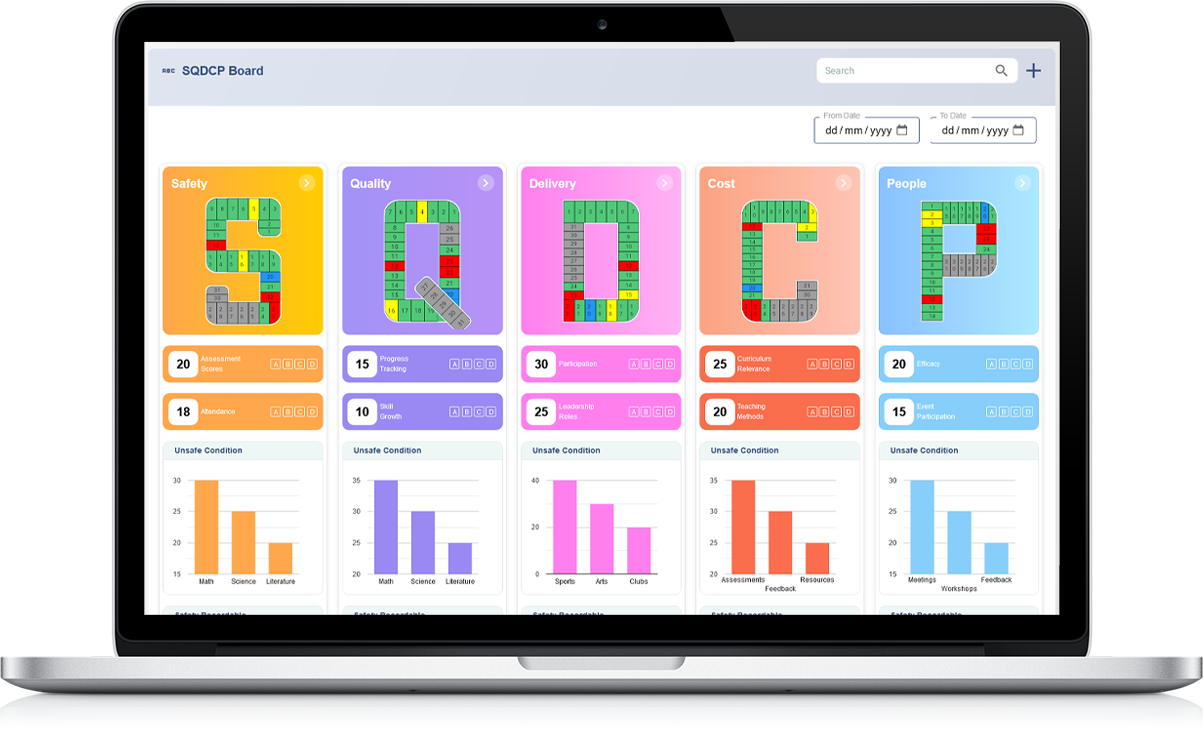
Setting and Managing KPIs
BSC Software allows businesses to define custom KPIs based on strategic goals. These KPIs can be categorised under financial, customer, internal processes, and growth perspectives to ensure a balanced approach to performance tracking.
Real-Time Performance Monitoring
With real-time data updates, BSC Software enables businesses to monitor KPI performance continuously. Interactive dashboards and automated alerts help teams identify trends, address challenges, and make timely decisions.
Data-Driven Insights
Advanced reporting tools in BSC Software provide insights into KPI trends, helping businesses analyse strengths, weaknesses, and areas for improvement. Custom reports allow managers to focus on specific metrics for better decision-making.
Enhancing Strategic Alignment
By linking KPIs to overall business objectives, BSC Software ensures that all departments work towards common goals. This alignment improves accountability and efficiency across the organisation.
Improving Long-Term Success
With accurate KPI tracking and strategic insights, businesses can optimise processes, enhance productivity, and drive long-term growth. BSC Software provides a clear framework for measuring success and achieving continuous improvement.
The Importance of Tracking KPIs with Balanced Scorecard Software
Why KPI Tracking Matters
Key performance indicators (KPIs) help businesses measure progress toward strategic goals. Tracking KPIs with Balanced Scorecard (BSC) Software ensures organisations stay focused, make informed decisions, and improve overall performance.
Aligning Goals Across Departments
BSC Software connects individual and departmental KPIs to overall business objectives. This alignment ensures that every team works towards the same strategic priorities, enhancing collaboration and accountability.
Real-Time Performance Monitoring
With real-time data tracking, businesses can monitor KPI progress instantly. Automated dashboards and alerts allow managers to identify issues early and take corrective action before small problems become major obstacles.
Data-Driven Decision-Making
BSC Software provides detailed reports and performance trends, helping businesses make strategic decisions based on facts rather than assumptions. Clear insights into KPI trends improve efficiency and long-term planning.
Improving Accountability
When employees and teams can see how their work impacts business success, they are more engaged and accountable. KPI tracking promotes a results-driven culture and encourages continuous improvement.
Enhancing Business Growth
By consistently tracking KPIs, businesses can optimise operations, improve customer satisfaction, and drive sustainable growth. BSC Software ensures that organisations stay on track and adapt to changing market conditions.
How Balanced Scorecard Software Aligns KPIs with Business Goals
Ensuring Strategic Alignment
Balanced Scorecard (BSC) Software helps businesses align key performance indicators (KPIs) with overall strategic goals. By linking daily activities to long-term objectives, organisations ensure that every department contributes to success.
Setting Measurable KPIs
BSC Software allows businesses to define KPIs that reflect their vision and mission. These indicators are divided into key areas such as financial performance, customer satisfaction, internal processes, and innovation, ensuring a balanced approach to growth.
Tracking Performance in Real Time
With real-time monitoring, organisations can track progress towards business goals efficiently. Dashboards and reports provide instant updates, allowing decision-makers to adjust strategies when necessary.
Enhancing Collaboration Across Teams
By aligning KPIs with overall objectives, BSC Software encourages collaboration between departments. Teams can track shared goals, improving coordination and ensuring that everyone is working towards the same priorities.
Driving Continuous Improvement
With data-driven insights, businesses can identify trends, challenges, and opportunities for improvement. BSC Software enables organisations to refine strategies, ensuring long-term success and adaptability in a competitive market.
Boosting Business Performance
By integrating KPI tracking with strategic planning, BSC Software helps businesses stay focused on their goals. This alignment leads to better decision-making, increased efficiency, and overall business growth.
Key Features to Look for in Balanced Scorecard Software for KPI Management
Customisable KPI Tracking
Effective Balanced Scorecard (BSC) Software should allow businesses to customise KPIs based on their unique goals. The ability to define and modify performance indicators ensures that the software adapts to changing business needs.
Real-Time Data and Dashboards
Live performance tracking is essential for accurate decision-making. A good BSC Software should offer real-time dashboards that display key metrics, enabling managers to monitor progress and take quick action when needed.
Automated Reports and Insights
Comprehensive reporting tools help businesses analyse trends and performance over time. Automated reports make it easy to evaluate success, identify challenges, and refine strategies to achieve long-term goals.
Goal Alignment and Strategy Mapping
The software should link individual and departmental KPIs with overall business objectives. Clear strategy mapping ensures that every team member understands how their work contributes to the company’s success.
Integration with Business Tools
Seamless integration with other business management tools, such as finance, HR, and project management systems, enhances efficiency. A well-integrated solution reduces manual data entry and improves overall workflow.
Role-Based Access and Security
Data security is crucial for KPI management. The software should offer role-based access, ensuring that employees can only view or edit information relevant to their responsibilities, protecting sensitive business data.
Real-Time Performance Monitoring: How BSC Software Keeps KPIs on Track
Instant Access to Performance Data
Balanced Scorecard (BSC) Software provides real-time insights into key performance indicators (KPIs). With live data tracking, businesses can monitor progress instantly, ensuring that goals remain on track.
Interactive Dashboards for Better Visibility
Clear and interactive dashboards make it easy to view KPI trends at a glance. Managers can quickly assess performance across departments, helping them make informed decisions to improve efficiency.
Automated Alerts and Notifications
Real-time monitoring helps businesses respond to changes quickly. Automated alerts notify teams when KPIs are off target, allowing them to take corrective action before issues escalate.
Data-Driven Decision-Making
Access to live performance data supports better decision-making. Instead of relying on outdated reports, businesses can use up-to-date insights to refine strategies and optimise resources.
Improved Accountability and Transparency
With continuous tracking, employees and teams stay accountable for their performance. Transparent reporting ensures that everyone understands their contribution to overall business goals.
Enhanced Strategic Planning
Real-time KPI monitoring helps businesses adapt to changing conditions. By identifying trends early, organisations can refine their strategies and stay ahead in a competitive market.
How Automated Data Collection Improves KPI Accuracy in BSC Software
Eliminating Manual Errors
Automated data collection reduces human errors caused by manual entry. With real-time data syncing, businesses can ensure accuracy in key performance indicators (KPIs) without relying on outdated or incorrect information.
Faster and More Efficient Reporting
Automated systems gather and process data instantly, eliminating delays in performance tracking. This ensures that reports reflect the most current information, allowing managers to make timely decisions.
Consistent and Reliable Data Sources
By integrating with multiple business systems, Balanced Scorecard (BSC) Software ensures that data comes from verified sources. This consistency improves the reliability of KPIs, making performance analysis more accurate.
Real-Time Monitoring and Alerts
With automated data collection, businesses can track KPI progress in real time. Instant alerts notify teams when performance deviates from targets, allowing them to take immediate corrective action.
Improved Decision-Making
Accurate data leads to better decision-making. Automated collection provides a clear and error-free view of business performance, helping leaders refine strategies based on reliable insights.
Increased Productivity and Focus
Automation frees up employees from time-consuming manual data entry. Teams can focus on strategic tasks instead of administrative work, leading to higher productivity and better overall performance.
Using Balanced Scorecard Software to Identify Strengths and Weaknesses in KPIs
Comprehensive Performance Analysis
Balanced Scorecard (BSC) Software provides a structured way to evaluate key performance indicators (KPIs). By tracking data across different business areas, organisations can identify strengths and areas needing improvement.
Visualising Trends and Patterns
With interactive dashboards and reports, businesses can easily spot trends in KPI performance. Positive trends highlight strengths, while declining metrics reveal weaknesses that require attention.
Comparing Goals with Actual Performance
BSC Software allows organisations to set performance targets and measure progress against them. Gaps between expected and actual results help pinpoint areas where improvements are needed.
Data-Driven Decision-Making
Accurate and real-time KPI tracking ensures that decisions are based on facts rather than assumptions. Businesses can use these insights to refine strategies and improve overall efficiency.
Identifying Underperforming Areas
By regularly monitoring KPIs, organisations can detect weaknesses early. This proactive approach helps teams address challenges before they impact overall performance.
Enhancing Strengths for Competitive Advantage
Understanding strengths allows businesses to build on them for continued success. BSC Software helps highlight what is working well, so teams can optimise their strategies for long-term growth.
How Customisable Dashboards Enhance KPI Visibility in BSC Software
Clear Data Representation
Customisable dashboards in Balanced Scorecard (BSC) Software provide a clear and organised view of key performance indicators (KPIs). By displaying data visually, teams can easily track progress and identify trends.
Real-Time Performance Monitoring
With real-time updates, dashboards ensure that decision-makers always have the latest performance data. This allows businesses to react quickly to changes and make informed strategic choices.
Personalised Insights for Different Teams
Different departments require different performance insights. Customisable dashboards allow teams to focus on relevant KPIs, ensuring that each function tracks the most important metrics for its success.
Improved Data Accessibility
Centralised dashboards make KPI data accessible to all stakeholders. This transparency helps align teams with business goals and encourages collaboration in achieving targets.
Automated Reporting for Efficiency
Dashboards reduce manual data processing by automatically gathering and displaying performance metrics. This saves time and minimises errors, ensuring accurate reporting.
Enhanced Decision-Making
By presenting complex data in an easy-to-read format, dashboards help business leaders make quick, informed decisions. Custom filters and data segmentation further improve KPI analysis.
Tracking Financial vs. Non-Financial KPIs with Balanced Scorecard Software
Understanding Financial and Non-Financial KPIs
Balanced Scorecard (BSC) software helps organisations track both financial and non-financial key performance indicators (KPIs) to measure overall success. Financial KPIs focus on revenue, costs, and profitability, while non-financial KPIs assess customer satisfaction, employee performance, and operational efficiency.
Monitoring Financial Performance
Financial KPIs include revenue growth, profit margins, cash flow, and return on investment. BSC software enables businesses to track these metrics in real time, helping management identify trends and make data-driven financial decisions.
Measuring Non-Financial Success
Non-financial KPIs, such as customer retention rates, employee productivity, and process efficiency, provide insights into long-term sustainability. Balanced Scorecard software helps businesses track these indicators to maintain high operational standards.
Aligning Financial and Non-Financial Metrics
Balanced Scorecard software integrates financial and non-financial KPIs to offer a complete view of business performance. By linking customer satisfaction with revenue or employee engagement with productivity, organisations can make balanced strategic decisions.
Real-Time Data for Better Decision-Making
With real-time tracking, businesses can adjust their strategies based on both financial and non-financial performance. Instant access to accurate data ensures that potential issues are identified early and addressed effectively.
Improving Long-Term Growth
Tracking both financial and non-financial KPIs ensures a business remains competitive. By focusing on more than just profit, organisations can improve customer loyalty, employee engagement, and overall efficiency for sustainable growth.
How Balanced Scorecard Software Helps Predict Future Business Performance
Using Data to Forecast Business Trends
Balanced Scorecard (BSC) software enables organisations to analyse past and present data to predict future performance. By tracking key performance indicators (KPIs), businesses can identify patterns and anticipate market changes, helping them stay ahead of competitors.
Identifying Strengths and Weaknesses
By continuously monitoring KPIs, BSC software helps businesses recognise areas of strength and pinpoint weaknesses. This allows organisations to build on successful strategies while addressing potential risks before they impact overall performance.
Aligning Strategy with Future Goals
Balanced Scorecard software connects business objectives with performance metrics, ensuring that strategic decisions are based on accurate data. This alignment helps organisations set realistic goals and measure progress towards future success.
Real-Time Insights for Proactive Decisions
With real-time data tracking, businesses can adjust their strategies quickly based on market trends and internal performance. This flexibility helps organisations respond to challenges efficiently and make proactive decisions that drive growth.
Enhancing Risk Management
Predictive analytics in BSC software helps businesses assess potential risks and take preventive measures. By identifying financial fluctuations, operational inefficiencies, or market shifts early, organisations can minimise negative impacts.
Driving Long-Term Success
Balanced Scorecard software provides a comprehensive view of business performance, allowing companies to plan for long-term growth. By integrating predictive insights with strategic planning, businesses can make informed decisions that ensure sustainability and success.
Common Mistakes to Avoid When Using BSC Software for KPI Tracking
Setting Too Many KPIs
One of the most common mistakes businesses make is tracking too many KPIs. This can lead to information overload and make it difficult to focus on the most important metrics. It is best to select a few key indicators that align with strategic goals.
Failing to Align KPIs with Business Objectives
KPIs should be directly linked to business goals. If they are not aligned, the data collected may not provide meaningful insights. Balanced Scorecard software is most effective when used to measure progress towards clearly defined objectives.
Ignoring Data Accuracy
Relying on outdated or inaccurate data can lead to poor decision-making. It is crucial to ensure that all data sources are reliable and regularly updated. Automated data collection features in BSC software can help maintain accuracy and consistency.
Not Reviewing KPIs Regularly
Many businesses set KPIs but fail to review them regularly. Performance metrics should be assessed frequently to ensure they remain relevant and provide useful insights. Regular reviews help identify trends and areas for improvement.
Overlooking Employee Engagement
Successful KPI tracking involves the entire organisation. If employees do not understand how their work impacts KPIs, engagement and performance may suffer. Clear communication and training can help teams use BSC software effectively.
Failing to Take Action on Insights
Collecting data is only valuable if businesses act on it. Balanced Scorecard software provides insights that should be used to drive improvements. Ignoring the information can result in missed opportunities for growth and efficiency.
How to Integrate Balanced Scorecard Software with Other Business Intelligence Tools
Understanding the Need for Integration
Integrating Balanced Scorecard software with business intelligence tools allows organisations to gain deeper insights and improve decision-making. By combining performance tracking with analytics, businesses can make data-driven decisions more effectively.
Ensuring Data Compatibility
Before integrating different tools, it is essential to ensure that data formats are compatible. Many business intelligence tools support multiple file types and APIs, making it easier to link them with Balanced Scorecard software for seamless data sharing.
Using API Connectivity
Application Programming Interfaces (APIs) play a crucial role in integrating Balanced Scorecard software with other platforms. APIs enable smooth communication between systems, allowing real-time data updates and reducing the need for manual data entry.
Automating Data Synchronisation
Automation helps businesses maintain consistency in data tracking. By setting up automated synchronisation, Balanced Scorecard software can continuously pull in the latest information from other business intelligence tools, ensuring accurate performance measurement.
Centralising Data for Better Insights
Integrating Balanced Scorecard software with data visualisation and reporting tools creates a centralised dashboard for monitoring KPIs. This helps teams access real-time performance data from multiple sources in one place, improving strategic planning.
Ensuring Security and Compliance
When integrating business intelligence tools, data security is a top priority. It is essential to follow security protocols and compliance requirements to protect sensitive business data while enabling seamless information flow between systems.
Case Studies: How Businesses Use BSC Software to Improve KPI Performance
Enhancing Financial Performance
Many businesses use Balanced Scorecard software to monitor financial KPIs, such as revenue growth and cost reduction. By tracking key financial metrics in real-time, companies can identify trends and make adjustments to improve profitability.
Optimising Operational Efficiency
Businesses in manufacturing and logistics often struggle with inefficiencies. By implementing Balanced Scorecard software, they can track production rates, resource utilisation, and downtime. This allows teams to address bottlenecks and improve workflow efficiency.
Improving Customer Satisfaction
Customer service teams use Balanced Scorecard software to track response times, resolution rates, and customer feedback. By analysing these KPIs, businesses can improve service quality, leading to higher customer satisfaction and retention.
Strengthening Employee Performance
HR departments use Balanced Scorecard software to monitor employee productivity, training progress, and engagement levels. With clear performance insights, managers can provide targeted support, leading to improved workforce efficiency and morale.
Boosting Strategic Decision-Making
Balanced Scorecard software provides leadership teams with a comprehensive view of business performance. By aligning KPIs with strategic objectives, businesses can make data-driven decisions that support long-term growth and success.
Achieving Sustainable Growth
Companies that successfully integrate Balanced Scorecard software into their operations experience long-term benefits. By continuously monitoring and improving KPIs, they create a data-driven culture that supports sustainable business growth.
How Balanced Scorecard Software Supports Continuous Improvement in KPI Management
Tracking Key Performance Indicators in Real Time
Balanced Scorecard software allows businesses to monitor KPIs in real time, ensuring that performance data is always up to date. This helps teams quickly identify areas that need improvement and take immediate action.
Identifying Strengths and Weaknesses
With clear data visualisation, businesses can easily see which areas are performing well and which need attention. Balanced Scorecard software helps highlight trends, making it easier to address weaknesses and build on strengths.
Enhancing Decision-Making with Data
Data-driven decision-making is key to continuous improvement. Balanced Scorecard software provides managers with insights based on accurate data, allowing them to make informed choices that drive performance improvements.
Encouraging a Culture of Accountability
When employees can see how their work contributes to business goals, they are more engaged and motivated. Balanced Scorecard software helps align individual and team performance with company objectives, creating a culture of accountability.
Facilitating Regular Performance Reviews
Businesses that conduct regular KPI reviews using Balanced Scorecard software can identify patterns and adjust strategies as needed. This continuous feedback loop ensures that improvements are ongoing rather than reactive.
Supporting Long-Term Growth
By consistently tracking and improving KPIs, businesses can create sustainable growth strategies. Balanced Scorecard software helps organisations refine their processes, optimise resources, and stay competitive in an evolving market.
The Future of KPI Tracking: AI and Automation in Balanced Scorecard Software
Enhancing Data Accuracy with AI
Artificial intelligence improves KPI tracking by reducing human errors and ensuring accurate data collection. AI-driven analytics process large amounts of data quickly, providing businesses with precise insights for better decision-making.
Real-Time Performance Monitoring
Automation allows businesses to track KPIs in real time, eliminating delays in reporting. This ensures that performance issues are identified immediately, allowing managers to take swift corrective action.
Predictive Analytics for Future Planning
AI-powered predictive analytics help businesses anticipate future trends based on historical data. This allows organisations to proactively adjust strategies, improve efficiency, and stay ahead of potential challenges.
Automated Reporting for Efficiency
Manually compiling KPI reports can be time-consuming. Balanced Scorecard software with automation features generates reports instantly, saving time and ensuring that stakeholders always have up-to-date performance insights.
Improving Decision-Making
By automating data collection and analysis, businesses can make informed decisions faster. AI-driven insights help leaders focus on strategy rather than spending time manually reviewing performance metrics.
Boosting Business Agility
The integration of AI and automation in KPI tracking makes businesses more agile. With instant access to performance data, companies can adapt quickly to market changes, improve efficiency, and maintain a competitive edge.