What Is a Balanced Scorecard and Its Role in Reporting
Understanding the Balanced Scorecard Framework
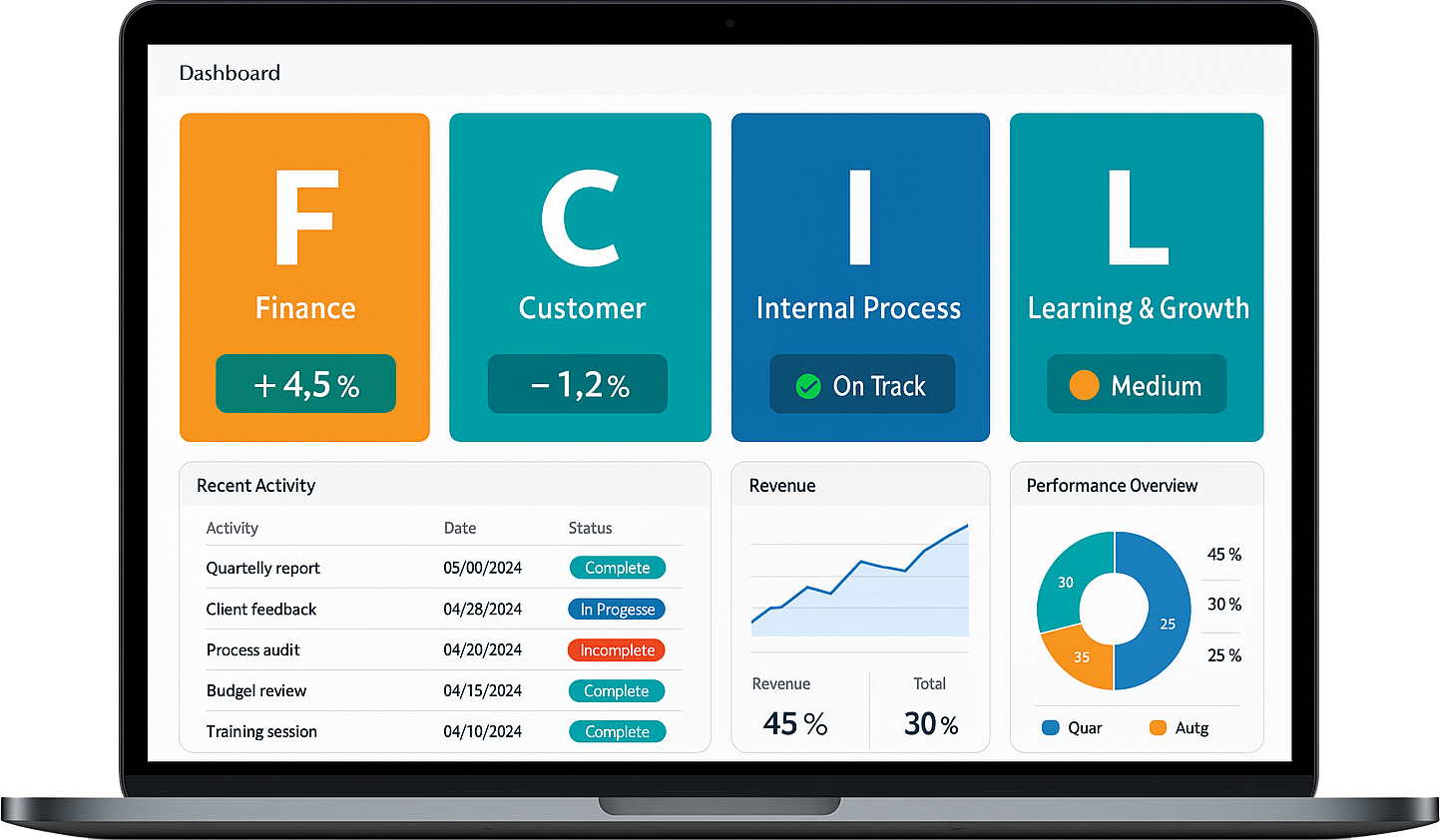
A Balanced Scorecard (BSC) is a strategic performance management tool that links organisational objectives to measurable indicators across multiple perspectives. It provides a structured approach to reporting by combining financial and non-financial metrics, giving leaders a comprehensive view of performance beyond just profits. This holistic framework ensures that key areas such as customer satisfaction, internal processes, and learning and growth are all accounted for in reporting.
Enhancing Transparency and Accountability
By clearly defining objectives and KPIs, BSC reporting promotes transparency across the organisation. Teams and departments understand how their performance contributes to strategic goals, while leadership can track progress objectively. This transparency supports accountability and ensures everyone is aligned with organisational priorities.
Supporting Strategic Decision-Making
BSC reporting enables leaders to make informed decisions by providing insights into both operational efficiency and long-term strategic outcomes. With structured reporting, organisations can identify trends, spot underperformance, and prioritise improvement initiatives, ultimately strengthening the link between reporting and effective strategy execution.
Why Simplified Reporting Is Critical for Continuous Improvement
Making Data Accessible and Understandable
Simplified reporting ensures that performance information is clear, concise, and easy to interpret. Overly complex reports can overwhelm teams and reduce engagement. Balanced Scorecard software presents key metrics in an intuitive format, helping employees quickly understand performance trends and focus on improvement opportunities.
Supporting Timely Decision-Making
Continuous improvement relies on timely insights. Simplified reporting allows managers to identify gaps and take action without delay. Quick access to critical information accelerates response times, ensuring that issues are addressed proactively and improvements are implemented consistently.
Encouraging Organisational Alignment
When reporting is clear, employees at all levels can connect daily activities with broader organisational goals. Simplified reporting strengthens alignment, reinforces accountability, and fosters a culture of continuous improvement, enabling teams to work collaboratively toward achieving measurable results.
Linking Strategic Goals to Measurable KPIs for Clear Reporting
Translating Strategy into Actionable Metrics
Linking strategic goals to KPIs ensures that reporting is meaningful and actionable. Balanced Scorecard software transforms high-level objectives into measurable indicators, allowing teams to track progress and assess performance against strategic priorities.
Improving Focus and Accountability
When each KPI is directly tied to a strategic goal, employees clearly understand how their work impacts overall performance. This linkage promotes accountability, keeps teams focused on what matters most, and ensures that improvement efforts are aligned with organisational objectives.
Facilitating Effective Performance Monitoring
Connected KPIs and goals enable leaders to monitor performance systematically. Clear reporting highlights areas of strength and weakness, guiding decision-making and resource allocation. By making the relationship between goals and metrics explicit, BSC reporting strengthens strategic execution and continuous improvement.
How Balanced Scorecards Provide Real-Time Performance Visibility
Monitoring Key Metrics Instantly
Balanced Scorecard software offers real-time dashboards that display current performance across financial, customer, internal process, and learning and growth perspectives. This instant visibility allows leaders and teams to track progress against targets without waiting for end-of-period reports.
Identifying Issues Early
Real-time visibility helps organisations detect performance deviations or emerging challenges quickly. Immediate insights allow teams to implement corrective actions, minimise disruptions, and maintain momentum toward strategic objectives.
Supporting Agile Decision-Making
With continuous access to updated performance data, managers can make informed decisions quickly, adjust priorities, and allocate resources efficiently. This agility strengthens execution and ensures that organisations remain aligned with strategic goals in a dynamic environment.
Tracking Financial Performance Efficiently with Scorecards
Monitoring Key Financial Metrics
Balanced Scorecards allow organisations to track essential financial indicators such as revenue, profitability, cost efficiency, and cash flow. This systematic tracking provides a clear picture of financial health and supports performance management at every level of the organisation.
Linking Financial Performance to Strategy
Financial metrics are connected to strategic objectives, ensuring that profitability and cost control initiatives align with long-term goals. This linkage prevents decisions focused solely on short-term gains and supports sustainable growth.
Enabling Timely Financial Insights
With real-time dashboards, financial performance can be reviewed promptly, helping leadership identify trends, forecast outcomes, and make informed decisions. Efficient financial tracking ensures transparency, accountability, and proactive management of organisational resources.
Monitoring Customer Metrics for Better Decision-Making
Understanding Customer Satisfaction and Loyalty
Balanced Scorecards track customer-related KPIs such as satisfaction scores, retention rates, and feedback metrics. This monitoring helps organisations understand how customers perceive their products or services and highlights areas requiring improvement.
Aligning Decisions with Customer Needs
By integrating customer metrics into reporting, organisations can make decisions that directly enhance customer experience. Insights from these metrics guide process improvements, product development, and service delivery strategies.
Driving Customer-Centric Performance
Transparent customer performance data promotes accountability and encourages teams to prioritise initiatives that improve satisfaction and loyalty. This focus ensures that decision-making remains customer-driven, supporting long-term success and competitive advantage.
Simplifying Internal Process Reporting to Identify Bottlenecks
Tracking Operational Efficiency
Balanced Scorecards simplify internal process reporting by consolidating key operational metrics into intuitive dashboards. Metrics such as production cycle time, error rates, and throughput are clearly presented, making it easier to identify bottlenecks and inefficiencies.
Enabling Targeted Process Improvements
With simplified reporting, teams can quickly pinpoint underperforming areas and implement corrective actions. By focusing on the most critical processes, organisations can enhance efficiency, reduce waste, and improve overall operational performance.
Promoting Continuous Process Monitoring
Ongoing visibility into internal processes supports a culture of continuous improvement. Teams can track progress over time, validate the effectiveness of interventions, and maintain a high level of operational excellence that aligns with strategic objectives.
Using Learning and Growth Metrics to Drive Organisational Development
Tracking Employee Skills and Competencies
Learning and growth metrics focus on developing the skills, knowledge, and capabilities of employees. By monitoring training completion, skill improvements, and professional development, organisations can assess workforce readiness to meet current and future business demands. These metrics help identify gaps and inform targeted training initiatives to enhance performance.
Aligning Development with Strategic Goals
Metrics in learning and growth ensure that employee development initiatives are aligned with organisational objectives. For example, investing in leadership training supports succession planning, while technical upskilling improves operational efficiency. Linking learning initiatives to strategic priorities ensures resources are used effectively and contributes to sustainable organisational growth.
Encouraging Continuous Improvement and Engagement
Visible learning and growth metrics motivate employees to engage in ongoing development. Teams understand how their improvement efforts impact organisational performance, fostering accountability and encouraging a culture of continuous learning. Over time, this strengthens overall capability and supports long-term strategic success.
Creating Visual Dashboards for Easy Interpretation of Data
Enhancing Clarity and Understanding
Visual dashboards transform complex performance data into easy-to-understand charts, graphs, and indicators. This allows teams to quickly grasp trends, identify areas of concern, and interpret key metrics without needing extensive analysis. Visualisation makes performance reporting more engaging and actionable.
Supporting Timely Decision-Making
By presenting data visually in real time, dashboards enable faster and more informed decision-making. Leaders and employees can respond promptly to issues, make adjustments, and prioritise initiatives based on clear insights, ensuring that actions are aligned with organisational goals.
Encouraging Collaboration and Alignment
Visual dashboards promote transparency and shared understanding across departments. When all teams can see performance metrics clearly, collaboration improves, and accountability is reinforced. This alignment ensures that everyone is working toward common objectives and contributes to continuous organisational improvement.
Supporting Continuous Improvement (Kaizen) Through Regular Reporting
Tracking Incremental Improvements
Regular reporting of performance metrics supports the Kaizen philosophy by highlighting small, continuous improvements over time. Balanced Scorecard reporting provides structured visibility into areas that need attention, allowing teams to focus on gradual yet meaningful enhancements in processes and outcomes.
Measuring Impact of Improvement Initiatives
Consistent reporting enables organisations to measure the results of improvement initiatives objectively. Teams can assess whether changes are effective, adjust approaches, and implement lessons learned, ensuring that continuous improvement efforts contribute to long-term strategic success.
Fostering a Culture of Accountability
Visible performance data reinforces accountability and encourages teams to take ownership of improvements. By connecting everyday activities to performance outcomes, regular reporting supports a culture of continuous learning and process optimisation, strengthening organisational resilience.
How Scorecards Improve Accountability Across Teams and Departments
Defining Clear Goals and Metrics
Balanced Scorecards set clear objectives and key performance indicators for teams and departments. By defining expectations explicitly, employees understand their responsibilities and how their performance contributes to organisational success, reinforcing accountability at all levels.
Providing Transparent Performance Insights
Scorecards display performance data in an accessible and transparent manner. Teams can see progress against targets, identify areas for improvement, and take corrective actions promptly. This transparency fosters ownership and motivates employees to achieve results.
Strengthening Cross-Department Collaboration
With shared visibility into performance, departments can align efforts, support each other, and work collaboratively toward common goals. Scorecards create a culture where accountability is collective as well as individual, driving consistent organisational performance improvement.
Integrating Balanced Scorecard Reporting with Existing Systems
Unifying Performance Data
Integrating Balanced Scorecard reporting with existing business systems, such as ERP or CRM platforms, consolidates performance information into a centralised view. This eliminates data silos, improves accuracy, and ensures that reporting reflects real operational and strategic activity across the organisation.
Enhancing Efficiency and Accuracy
Automation of data flow between systems reduces manual reporting, minimises errors, and saves time. Teams can focus on analysing insights and implementing improvements rather than reconciling disparate datasets, leading to more efficient performance management.
Strengthening Strategic Decision-Making
Integrated reporting provides a holistic view of organisational performance. Leaders can make data-driven decisions, prioritise initiatives, and allocate resources effectively. This integration ensures that reporting supports continuous improvement and strategic alignment.
Automating Reports to Save Time and Reduce Errors
Reducing Manual Workload
Automated reporting streamlines the process of generating performance reports. Balanced Scorecard software collects and consolidates data automatically, reducing the time spent on manual data entry and minimising the risk of human error. Teams can focus on interpreting insights rather than preparing reports.
Ensuring Timely and Accurate Reporting
Automation ensures that reports are generated consistently and delivered on schedule. Accurate, up-to-date data allows leaders to respond promptly to changes, monitor KPIs effectively, and maintain alignment with organisational goals.
Supporting Continuous Improvement
With reliable automated reports, organisations can track progress over time, measure the impact of initiatives, and refine strategies efficiently. This consistent visibility promotes a culture of accountability and continuous organisational improvement.
Measuring ROI and Tracking the Impact of Improvement Initiatives
Linking Initiatives to Business Outcomes
Balanced Scorecard reporting enables organisations to measure the return on investment (ROI) of improvement initiatives. By linking projects to measurable outcomes, such as cost savings, efficiency gains, or increased customer satisfaction, leaders can assess the tangible value of their efforts.
Monitoring Performance Across Multiple Perspectives
ROI tracking is enhanced by evaluating initiatives across financial, customer, internal process, and learning perspectives. This balanced approach ensures that improvement efforts deliver comprehensive organisational benefits, not just isolated gains.
Informing Future Strategy and Resource Allocation
Measuring ROI provides actionable insights for decision-making. Organisations can prioritise high-impact initiatives, refine strategies, and allocate resources effectively. This ongoing evaluation strengthens performance management and supports sustainable continuous improvement.
Building a Culture of Performance and Continuous Improvement with Scorecards
Embedding Performance Awareness
Balanced Scorecards embed a focus on performance into daily work by making objectives and KPIs visible to all teams. This transparency ensures that employees understand how their contributions affect overall organisational success, promoting accountability and engagement.
Encouraging Continuous Improvement
Scorecards reinforce a culture of continuous improvement by highlighting performance trends, areas for enhancement, and opportunities for learning. Teams are motivated to make incremental improvements and adopt best practices consistently.
Aligning Behaviour with Organisational Goals
By connecting individual and team performance to strategic objectives, scorecards foster alignment across the organisation. Employees collaborate effectively, make informed decisions, and contribute to a high-performance culture focused on achieving measurable results and long-term success.