How a Kanban Board Works Step by Step
Understanding the Basics of the Kanban Process
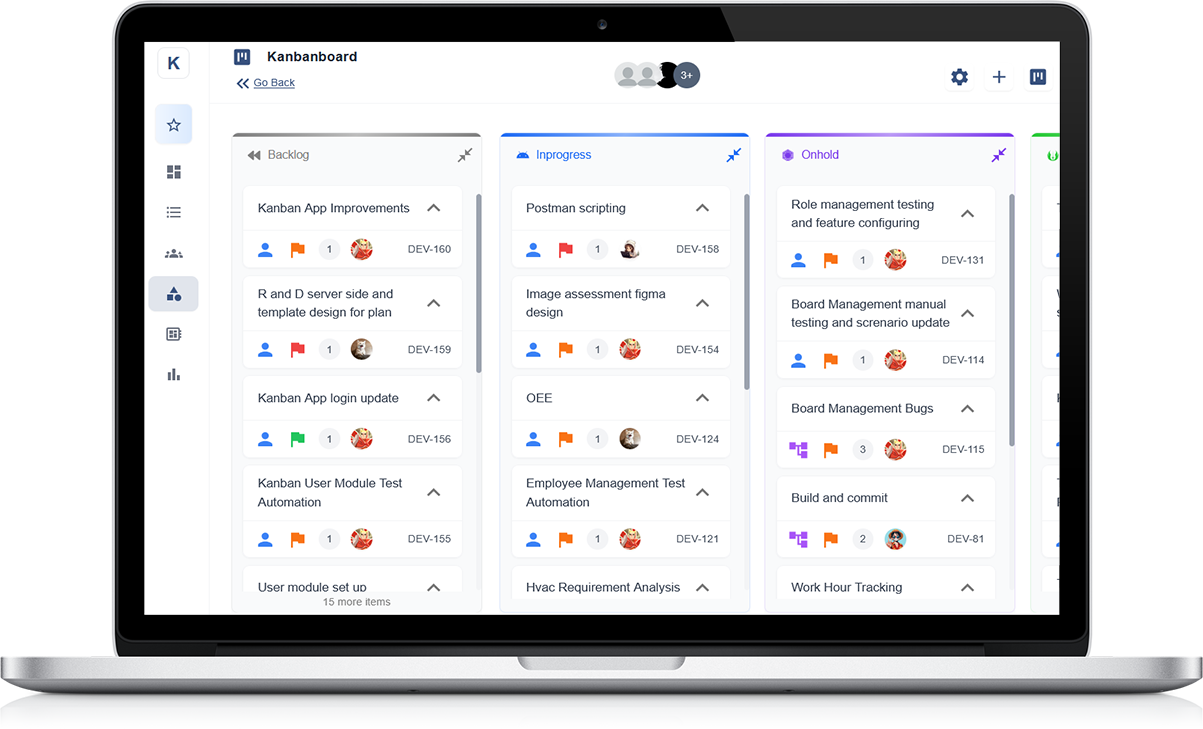
How a Kanban Board Works Step by Step starts with visualising work so teams clearly understand what needs to be done, what is in progress, and what has been completed. The process succeeds when workflows reflect how work actually moves across the organisation. Clearly defined stages prevent confusion and keep tasks flowing smoothly. When teams apply simple work policies and limits, they can identify bottlenecks early, reduce overload, and maintain steady progress. Consistent usage and active leadership involvement help ensure the Kanban board becomes a reliable system for managing work and driving continuous improvement.
Aligning the Kanban Process with Real Day-to-Day Work
To apply How a Kanban Board Works Step by Step effectively, organisations must ensure each step reflects how work actually flows. This starts by mapping real processes, identifying handovers and dependencies, and defining clear stages that support delivery. When the Kanban steps mirror real work patterns, teams gain clarity, reduce friction, and move tasks through the board more efficiently.
Engaging Teams at Every Step of the Kanban Board
Successful use of a Kanban board depends on collaboration across teams and departments. Each group should understand how their actions affect the overall flow of work. Involving team leads when defining steps and stages builds ownership and alignment, while daily stand-ups, visual updates, and clear work rules keep everyone focused and accountable.
Strengthening Long-Term Use Through Continuous Improvement
Long-term success with How a Kanban Board Works Step by Step relies on regular reviews, ongoing training, and leadership support. As teams become comfortable following each step, the board turns into a natural part of daily routines rather than an administrative task. With shared responsibility, consistent optimisation, and continuous learning, Kanban boards deliver sustained productivity and measurable operational improvements.
Understanding How a Kanban Board Works Step by Step
Why Following Clear Steps Matters
To apply How a Kanban Board Works Step by Step successfully, teams must understand each stage of the process before starting. Without a step-by-step approach, a Kanban board can turn into a simple task tracker rather than a system for managing flow. Clear steps ensure work moves smoothly, priorities stay visible, and outcomes remain predictable.
Step 1: Visualising Work Clearly
The first step is to visualise all work on the board. Tasks are represented as cards so everyone can see what needs to be done, what is in progress, and what has been completed. This visibility creates shared understanding and reduces hidden work.
Step 2: Defining Workflow Stages
Next, teams define workflow stages that reflect how work actually happens. Each column represents a step in the process, from request to completion. Well-defined stages prevent confusion and support consistent movement of tasks.
Step 3: Aligning Teams Around the Workflow
Once stages are defined, teams align on how work should move through them. Clear responsibilities and expectations help ensure everyone follows the same process, improving consistency and execution.
The Role of Leadership in the Kanban Step-by-Step Process
Why Leadership Involvement Is Important
Leadership support strengthens how a Kanban board works step by step. When leaders actively use and reference the board, it reinforces its importance as a daily management tool rather than an optional system.
Step 4: Reinforcing Kanban Through Leadership Actions
Leaders help embed Kanban by reviewing boards regularly, discussing progress, and supporting teams in resolving blockers. This involvement increases adoption and accountability.
Step 5: Encouraging Consistent Usage
When leaders set expectations for consistent updates and reviews, teams are more likely to keep the board accurate and useful.
Aligning Teams as Work Moves Step by Step
Step 6: Creating a Shared Flow of Work
A Kanban board works best when all teams understand how work flows between them. Shared visibility improves coordination and reduces delays.
Step 7: Connecting Work to Organisational Priorities
Each step on the board should support broader goals. This connection helps teams see the value of their work and stay focused on outcomes.
Step 8: Improving Collaboration Through Visibility
As tasks move step by step, teams can identify dependencies early and collaborate more effectively.
Defining and Managing Work Stages Step by Step
Step 9: Keeping Stages Simple and Clear
Simple stages make it easier for teams to update and manage work consistently.
Step 10: Making Each Stage Actionable
Every stage should clearly signal what action is required next, ensuring steady progress.
Training Teams on How a Kanban Board Works Step by Step
Step 11: Learning by Doing
Hands-on training using real tasks helps teams understand each step of the Kanban process quickly.
Step 12: Reinforcing Consistent Behaviour
Clear guidelines and regular check-ins encourage teams to follow the same steps consistently.
Integrating Tools to Support the Kanban Steps
Step 13: Connecting Kanban with Existing Systems
Integration ensures updates happen automatically and information stays accurate.
Step 14: Enabling Real-Time Updates
Real-time data allows teams to respond quickly as work progresses through each step.
Using Visual Management to Support Each Step
Making Progress and Blockers Visible
Visual cues help teams quickly understand status and address issues as they arise.
Embedding Transparency into Daily Work
Daily stand-ups and visible boards make transparency part of routine work.
Reviewing and Improving the Kanban Steps
Why Regular Reviews Matter
Regular reviews help teams refine how each step works and remove inefficiencies.
Turning Insights into Improvements
Data from the board guides small, continuous changes that improve flow over time.
Measuring Results from How a Kanban Board Works Step by Step
Understanding the Value of the Step-by-Step Approach
How a Kanban Board Works Step by Step improves visibility, predictability, and delivery speed.
Tracking Flow and Productivity Metrics
Metrics such as cycle time and throughput show how effectively work moves through each step.
Demonstrating Long-Term Benefits
Consistent execution, better collaboration, and faster delivery demonstrate clear and measurable value over time.