What Are Digital Kamishibai Boards and How They Work
Understanding Digital Kamishibai Boards
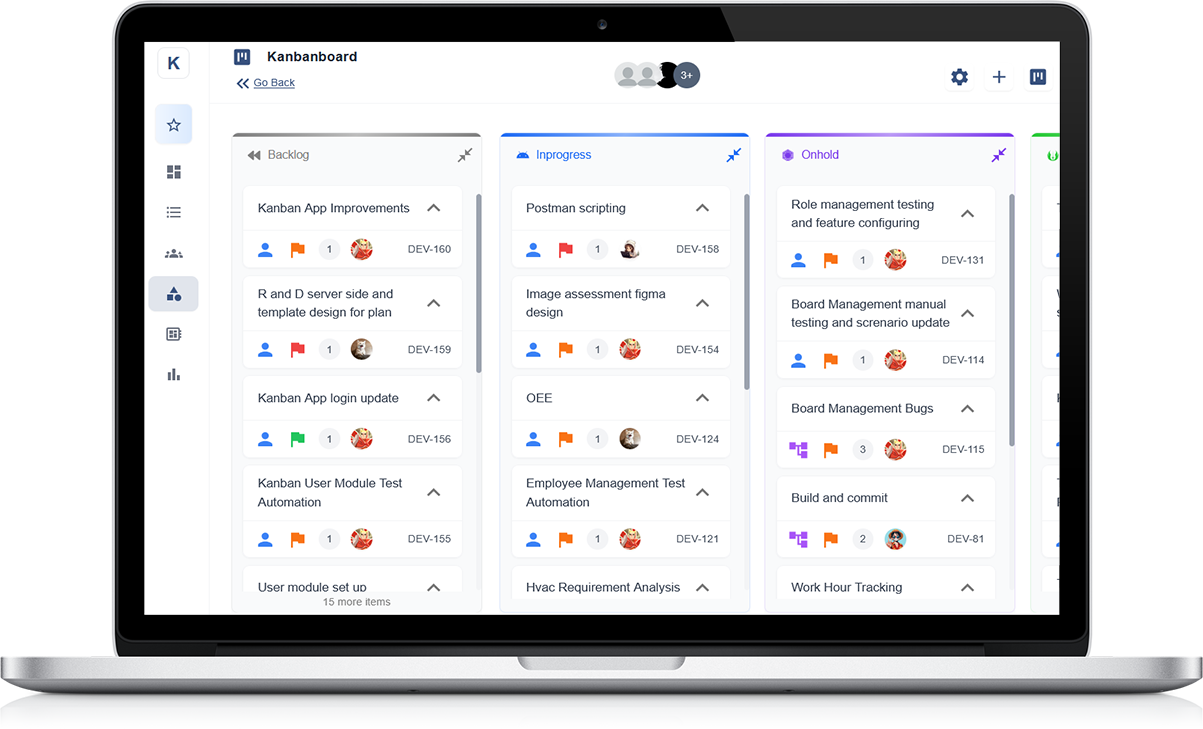
Digital Kamishibai boards are modern visual management tools used to standardise and track operational tasks in real time. They replace traditional paper checklists with an electronic system that displays tasks, assignments, and schedules on digital screens. Each task or inspection is represented visually, making it easy for teams to see what needs attention and follow up consistently.
How They Operate in Daily Workflows
These boards operate by assigning specific tasks or audits to teams or individuals. Once a task is completed, it is updated on the board in real time, providing instant feedback on progress. Alerts and colour-coded indicators highlight overdue tasks or non-conformances, enabling managers to respond quickly. This digital approach ensures that all tasks are completed according to standards, and operational visibility is maintained across shifts.
Benefits Over Traditional Methods
Digital Kamishibai Boards improve accuracy, accountability, and communication. Teams can view assignments without paper clutter, and management can track progress remotely. They also provide a permanent record of completed tasks and deviations, which is useful for continuous improvement initiatives. By integrating with daily operations, digital boards streamline workflows and reinforce consistent, standardised work practices.
Why Process Confirmation Is Essential for Lean Operations
Maintaining Operational Consistency
Process confirmation ensures that standardised procedures are followed consistently across all teams and shifts. In lean operations, even minor deviations can create inefficiencies, defects, or delays. By confirming that each process step is executed as intended, organisations can maintain quality, reduce waste, and keep production flows smooth.
Supporting Continuous Improvement
Regular process confirmation highlights areas that may require improvement. When teams systematically verify that tasks are completed correctly, it becomes easier to identify bottlenecks, inefficiencies, or recurring errors. This feedback supports data-driven decisions and fosters a culture of continuous improvement within lean operations.
Enhancing Accountability and Compliance
Confirmation procedures create accountability by clearly assigning responsibility for each task. Teams understand what is expected, and managers can verify compliance objectively. This reduces errors, ensures adherence to standards, and reinforces a disciplined operational culture, which is essential for lean practices and achieving consistent results.
Key Features of a Digital Kamishibai Board
Visual Task Representation
A core feature of digital Kamishibai Boards is the visual display of tasks and inspections. Tasks are represented as cards or icons, often with colour codes to indicate status such as pending, in progress, or completed. This allows teams to immediately see priorities and upcoming responsibilities, improving workflow and reducing miscommunication.
Real-Time Updates and Alerts
Digital boards provide real-time updates as tasks are completed or delayed. Notifications alert teams or supervisors to overdue items or deviations from standards. This instant feedback helps prevent errors from accumulating and ensures timely interventions, keeping operations smooth and compliant with standards.
Data Tracking and Reporting
These boards maintain a digital record of completed tasks, deviations, and corrective actions. Reports can be generated to analyse trends, identify recurring issues, and support continuous improvement. This feature enhances transparency, accountability, and efficiency, making it a vital tool in operational excellence programs.
Replacing Paper-Based Process Checks with Digital Boards
Limitations of Paper Checks
Traditional paper-based checks can be slow, prone to human error, and difficult to track. Papers can be lost, delayed, or filled incorrectly, leading to gaps in compliance and inefficiencies. Reviewing results often requires manual data entry, which consumes time and reduces operational responsiveness.
Advantages of Digital Boards
Digital Kamishibai Boards eliminate these issues by providing an automated, visual system for task tracking. Updates are recorded in real time, progress can be monitored instantly, and alerts highlight incomplete or overdue tasks. This reduces errors, improves accountability, and ensures that operations are executed consistently across all teams and shifts.
Integration and Efficiency
Digital boards integrate easily with daily workflows and reporting systems. Managers and teams can review performance, monitor compliance, and make informed decisions quickly. By replacing paper-based checks with digital boards, organisations increase efficiency, accuracy, and operational transparency.
Ensuring Standardised Work Across Teams and Shifts
Consistent Task Execution
Standardised work ensures that tasks are completed consistently, regardless of team or shift. Digital boards guide operators step by step, showing what must be done and when. This reduces variation, ensures quality, and prevents errors caused by miscommunication or forgotten steps.
Shift Handover and Coordination
Digital boards improve coordination between shifts by providing real-time visibility of task status. When one team completes a task, the next shift can see updates instantly. This prevents delays, overlaps, or missed steps, and helps maintain smooth production continuity throughout the day.
Supporting Training and Compliance
New operators can use digital boards as a reference for standard procedures, making onboarding easier. Managers can also monitor compliance across teams, ensuring that standardised work practices are followed consistently. This strengthens operational discipline and improves overall performance.
Tracking Process Compliance in Real Time
Immediate Visibility of Task Status
Digital Kamishibai Boards allow real-time monitoring of task completion and adherence to standards. Managers and teams can see instantly whether tasks are on schedule, completed, or require attention. This immediate visibility supports proactive management and reduces the likelihood of errors accumulating unnoticed.
Proactive Intervention
With real-time tracking, deviations from standard procedures can be addressed promptly. Alerts and notifications highlight overdue or non-compliant tasks, enabling supervisors to take corrective action immediately. This ensures that operational processes remain reliable and consistent at all times.
Data-Driven Continuous Improvement
Real-time compliance tracking generates data that can be analysed to identify trends, recurring issues, or areas for improvement. Teams can use these insights to refine processes, improve efficiency, and reinforce standardised practices, supporting long-term operational excellence and lean practices.
Reducing Errors and Non-Conformances with Digital Kamishibai
Minimising Human Error
Digital Kamishibai boards reduce errors by guiding teams through each step of a process. Standardised visual cues and task checklists prevent missed steps or incorrect procedures, improving accuracy across operations. This leads to higher quality outcomes and fewer mistakes in day-to-day tasks.
Detecting and Correcting Deviations
Any non-conformance or deviation from the standard is immediately highlighted on the board. Teams can take corrective action promptly, preventing small issues from becoming major problems. This proactive approach strengthens overall compliance and operational reliability.
Supporting Continuous Improvement
By capturing data on errors and non-conformances, digital boards provide insights for process improvement. Management can analyse trends, identify root causes, and implement changes to reduce recurring issues. This fosters a culture of continuous improvement while maintaining consistent operational standards.
Empowering Operators to Confirm Processes and Report Issues
Giving Operators Clear Visibility and Responsibility
Operators play a vital role in maintaining production quality and efficiency. By giving them the tools to confirm that processes are followed correctly, organisations ensure that work standards are consistently met. Digital Kamishibai boards provide operators with an easy-to-use interface to verify tasks, follow checklists, and record completion. This transparency reduces mistakes and ensures that processes are visible at every step.
Encouraging Timely Issue Reporting
When operators can report issues quickly through a structured system, problems are addressed faster and prevent further disruptions. Digital boards allow real-time updates, enabling immediate escalation to supervisors. Operators become active participants in maintaining process integrity, rather than passive executors. This accountability improves quality and reduces production errors over time.
Supporting Continuous Engagement and Improvement
Empowering operators also enhances engagement. They feel ownership of their work and are more likely to contribute ideas for process improvement. Verified process confirmations and issue reports generate valuable data that can be analysed to identify recurring problems and areas for improvement. Over time, this approach supports a culture of continuous improvement and operational excellence.
Using Digital Boards to Support Daily Audits and Gemba Walks
Streamlining Daily Audits
Daily audits are essential for maintaining quality, safety, and compliance. Digital boards simplify this process by presenting clear visual information about ongoing activities and completed tasks. Auditors can quickly check status updates, confirm process adherence, and identify potential issues without manual paperwork. This efficiency saves time and reduces errors in reporting.
Enhancing Gemba Walks with Real-Time Data
During Gemba walks, managers observe operations on the floor to understand workflow and identify improvement opportunities. Digital boards provide instant access to real-time process data, making Gemba walks more effective. Managers can focus on problem areas, verify completed actions, and discuss improvements with operators using concrete information rather than anecdotal evidence.
Driving Actionable Insights
Combining daily audits and Gemba walks with digital boards generates actionable insights for continuous improvement. Deviations, bottlenecks, and recurring issues are documented immediately, allowing teams to take corrective action quickly. Over time, this supports a proactive approach to process improvement and strengthens overall operational performance.
Integrating Kamishibai Boards with Existing Manufacturing Systems
Connecting Visual Boards to Core Operations
Kamishibai boards become even more effective when integrated with existing manufacturing systems. Integration ensures that data from production, maintenance, and quality management flows seamlessly into the visual board. Teams can see the status of tasks, deviations, and completed actions in one place, reducing the need for duplicate updates.
Improving Data Accuracy and Accessibility
Manual reporting can result in errors or delays. By connecting Kamishibai boards to enterprise systems, organisations ensure that the information displayed is accurate, up-to-date, and accessible to all authorised users. This visibility helps teams respond to issues faster and maintain consistent process control.
Supporting Proactive Decision-Making
Integration also enables automated alerts and performance tracking, giving supervisors actionable insights without constant manual monitoring. This proactive approach allows managers to make informed decisions quickly, optimise workflows, and identify improvement opportunities before they escalate into larger problems.
Identifying Bottlenecks and Process Deviations Quickly
Spotting Bottlenecks in Real Time
Bottlenecks and process deviations can slow production and affect quality. Digital Kamishibai boards highlight areas where tasks are delayed or incomplete, allowing managers to identify bottlenecks immediately. Visual cues and alerts make it easy to prioritise corrective actions without waiting for end-of-day reports.
Addressing Deviations Promptly
Process deviations, such as skipped steps or incorrect procedures, are easier to spot when tasks are verified digitally. Operators can log deviations in real time, enabling supervisors to investigate and implement solutions promptly. This reduces downtime and improves overall workflow consistency.
Enhancing Continuous Improvement
Quick identification of issues also supports a culture of continuous improvement. Teams can analyse recurring bottlenecks and deviations to refine processes, allocate resources more efficiently, and prevent future disruptions. Over time, this leads to smoother operations and better performance metrics across departments.
Supporting Continuous Improvement Through Verified Process Data
Gathering Reliable Operational Data
Verified process data from Kamishibai boards provides a dependable foundation for continuous improvement initiatives. Every completed task and issue reported generates data that reflects actual operational performance, helping managers make informed decisions and identify trends over time.
Analysing Data for Improvement Opportunities
By analysing verified data, organisations can pinpoint recurring issues, resource constraints, or process inefficiencies. This evidence-based approach ensures improvement efforts focus on areas that will deliver tangible results rather than relying on assumptions or anecdotal observations.
Embedding Improvement in Daily Operations
Verified data allows teams to track the impact of process changes and monitor performance continuously. Employees see the results of their improvements, reinforcing a culture of accountability and engagement. Over time, this consistent approach drives sustained operational excellence.
Enhancing Accountability Across Teams and Departments
Making Responsibilities Visible
Digital Kamishibai boards make each task visible and assign responsibilities clearly. Teams know who is accountable for each action, which reduces ambiguity and ensures everyone understands their role in maintaining process quality and operational efficiency.
Tracking Performance Metrics
Boards also track completion rates, delays, and deviations. Supervisors can monitor team performance across departments, identify areas for improvement, and provide timely feedback. This transparency strengthens accountability and encourages teams to perform consistently.
Supporting Collaboration and Continuous Improvement
When accountability is clear, teams are more likely to collaborate proactively to resolve issues. Data from Kamishibai boards also allows departments to learn from each other’s performance and implement best practices, fostering a culture of continuous improvement and operational excellence.
Customising Kamishibai Boards for Different Processes and Lines
Adapting to Specific Workflow Requirements
Each production line or process may have unique requirements. Customised Kamishibai boards allow organisations to adapt the structure, checklists, and reporting fields to match the needs of each workflow. This ensures that relevant information is captured accurately.
Enhancing Usability for Teams
Custom boards improve usability for operators by presenting only the information they need. This reduces confusion, streamlines reporting, and ensures consistent use across different teams or production lines.
Supporting Operational Flexibility
Customisation also allows boards to evolve as processes change. New steps, checks, or alerts can be added easily without disrupting operations, ensuring the visual management system remains effective and supports continuous improvement initiatives.
Measuring the Impact of Digital Kamishibai on Operational Efficiency
Tracking Key Performance Metrics
Digital Kamishibai boards provide measurable insights into operational efficiency. By monitoring task completion rates, issue resolution times, and process adherence, organisations can quantify the benefits of using visual management systems. This data supports informed decision-making and targeted improvement initiatives.
Linking Visual Management to Business Results
The impact of digital boards is evident in smoother workflow, reduced delays, and fewer process errors. Managers can compare operational performance before and after implementing digital boards to assess improvements in efficiency, resource utilisation, and overall productivity.
Supporting Continuous Performance Optimisation
Regularly measuring performance using digital Kamishibai boards embeds continuous improvement into daily operations. Teams can identify trends, track progress against goals, and adjust workflows proactively. Over time, this approach ensures sustained operational excellence and measurable performance gains across departments.