The Digital Balanced Scorecard system is an advanced version of the traditional Balanced Scorecard method, designed to optimize the strategic management process for modern organizations. This system incorporates technology to enhance the visibility, accessibility, and accuracy of performance metrics, allowing organizations to track their progress in real time and make informed decisions. By integrating digital tools and software, the Digital Balanced Scorecard brings added flexibility and automation to the measurement and management of key performance indicators (KPIs) across various organizational levels.
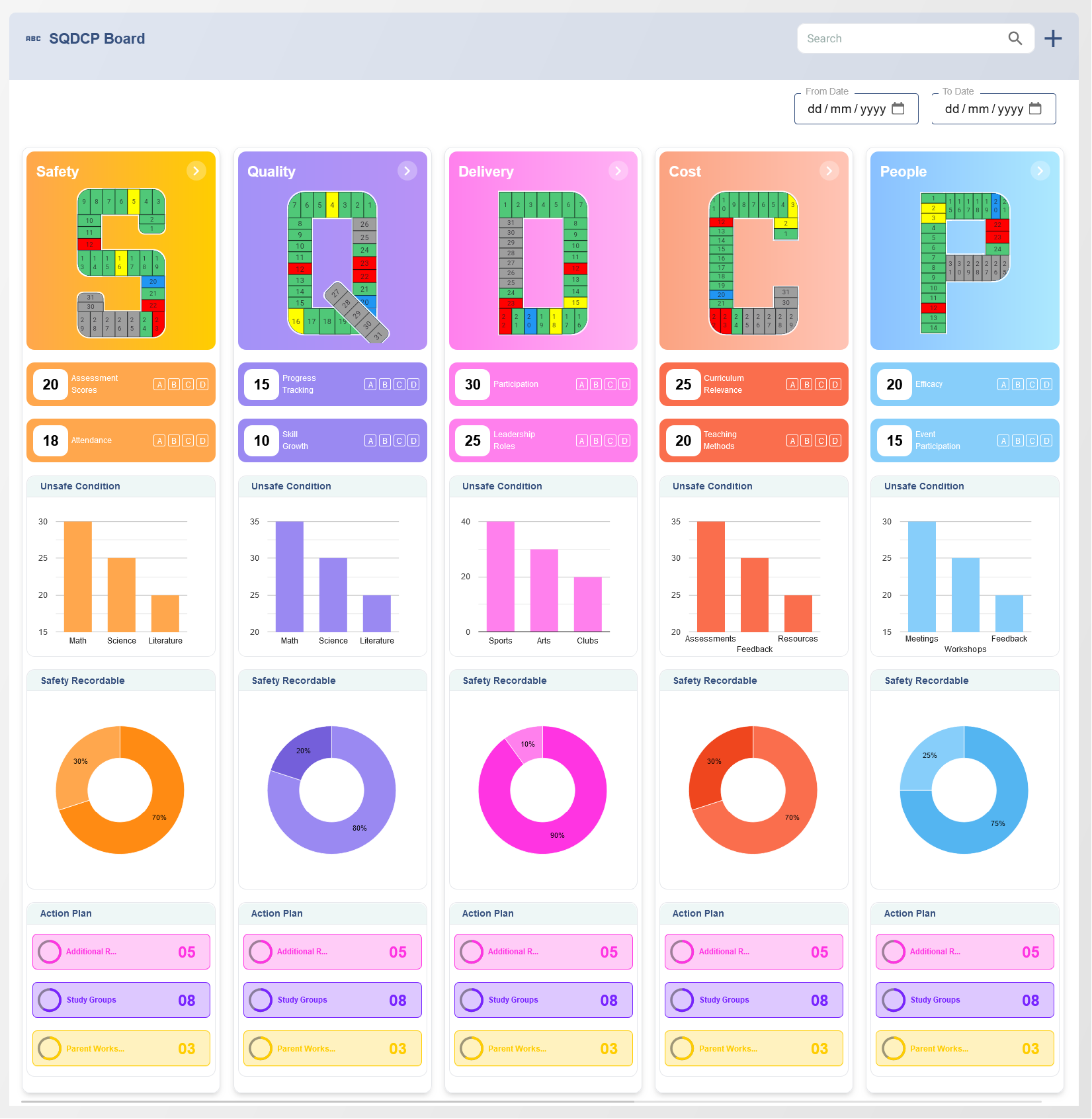
1. What is a Digital Balanced Scorecard?
A Digital Balanced Scorecard (DBS) is a strategy management tool that takes the concept of the traditional Balanced Scorecard and incorporates digital technologies, such as dashboards, data visualization tools, and cloud-based applications, to provide a more dynamic and real-time approach to tracking organizational performance. This digital adaptation allows for more accurate reporting, easy access to real-time data, and streamlined decision-making processes.
Just like the traditional Balanced Scorecard, the Digital Balanced Scorecard focuses on four key perspectives:
- Financial Perspective: Tracking financial outcomes like revenue, profit margins, and return on investment (ROI).
- Customer Perspective: Measuring customer satisfaction, loyalty, and retention, along with other customer-centric metrics.
- Internal Processes Perspective: Monitoring the efficiency and effectiveness of internal processes that drive the organization's operational success.
- Learning and Growth Perspective: Assessing employee development, innovation, and organizational learning to foster long-term growth.
However, the key difference between the traditional Balanced Scorecard and the Digital Balanced Scorecard is the way data is collected, analyzed, and presented. In a digital system, real-time data integration, automated reporting, and advanced data analytics are seamlessly combined to provide actionable insights more efficiently.
2. Benefits of a Digital Balanced Scorecard System
Implementing a Digital Balanced Scorecard offers numerous benefits for organizations, including:
- Real-Time Tracking: With a digital system, KPIs and performance metrics are updated in real-time, allowing leaders to monitor progress constantly and make timely adjustments to strategies when necessary.
- Enhanced Data Visualization: Digital tools provide a wide range of visualization options, such as graphs, charts, and heat maps, which make it easier to interpret complex data and identify trends quickly.
- Centralized Data Access: Cloud-based digital platforms offer a central repository for all performance data, making it accessible from any location and device, ensuring that decision-makers have easy access to the information they need.
- Improved Collaboration: Digital systems allow for greater collaboration among different teams within the organization, as they can share insights, performance updates, and strategic goals more effectively in a digital environment.
- Automated Reporting: The automation of reporting and analysis eliminates the need for manual data collection and reporting, reducing human error and freeing up time for strategic decision-making.
- Better Decision-Making: By leveraging advanced analytics and real-time data, organizations can make data-driven decisions that are based on the most up-to-date and accurate information available.
3. Key Features of a Digital Balanced Scorecard
A Digital Balanced Scorecard system typically includes the following key features:
- Customizable Dashboards: Digital Balanced Scorecard tools offer customizable dashboards that allow organizations to tailor the presentation of their KPIs according to their specific needs. Whether tracking sales, production, or customer satisfaction, dashboards can be designed to prioritize the most important metrics for each user.
- Integration with Other Systems: A DBS can integrate with other business management systems, such as enterprise resource planning (ERP) and customer relationship management (CRM) platforms. This integration ensures that data is consolidated and flows seamlessly across systems for more accurate and comprehensive performance tracking.
- Performance Alerts: Most DBS tools feature alert systems that notify stakeholders when KPIs reach a certain threshold or when a key target is at risk of being missed. This proactive approach helps organizations take corrective actions before issues escalate.
- Advanced Analytics: The integration of advanced analytics tools, such as predictive analytics, artificial intelligence, and machine learning, enhances the system's ability to forecast future trends and identify areas that require improvement or adjustment.
- Collaborative Tools: Some Digital Balanced Scorecard systems include features for sharing performance data, comments, and strategic discussions, enabling teams to collaborate more effectively and ensure alignment across all departments.
4. How to Implement a Digital Balanced Scorecard System
Implementing a Digital Balanced Scorecard involves several key steps:
- Define Strategic Objectives: The first step is to define the organization’s strategic goals. This could include increasing revenue, improving customer satisfaction, or enhancing internal process efficiency. Each objective should be aligned with the four perspectives of the Balanced Scorecard: financial, customer, internal processes, and learning and growth.
- Identify Key Performance Indicators (KPIs): For each strategic objective, identify the most relevant KPIs that will help measure progress. These KPIs should be specific, measurable, achievable, relevant, and time-bound (SMART).
- Choose a Digital Tool: Select a digital platform or software that aligns with your organization's needs and integrates with other business systems. This could be a standalone solution or part of a broader enterprise resource planning (ERP) system.
- Set Up Dashboards and Reports: Customize the system to include dashboards that display real-time KPIs, performance trends, and forecasts. Reports should be automated to ensure accurate, timely data is always available.
- Monitor and Adjust: Continuously monitor the data provided by the Digital Balanced Scorecard and make necessary adjustments to the strategic plan based on real-time performance insights. Regular review meetings and analysis are essential to ensure the system remains aligned with the organization's goals.
5. Challenges and Considerations
While the Digital Balanced Scorecard offers many advantages, there are some challenges and considerations that organizations must address during implementation:
- Data Integration: For a Digital Balanced Scorecard system to be effective, it must integrate seamlessly with other business management tools. This can sometimes be challenging if systems are not compatible or if data silos exist within the organization.
- Employee Training: Employees need to be properly trained to understand and use the Digital Balanced Scorecard effectively. This includes training on how to interpret dashboards, input data, and use the system for decision-making.
- Customization Costs: Customizing the system to fit the unique needs of an organization can involve additional costs. It is essential to weigh these costs against the potential benefits of a more tailored solution.
Digital Balanced Scorecard System
What is a Digital Balanced Scorecard System?
A Digital Balanced Scorecard System is an electronic version of the traditional balanced scorecard, designed to track and measure key performance indicators (KPIs) across four perspectives: financial, customer, internal processes, and learning and growth. It enables organizations to monitor progress in real-time, make data-driven decisions, and align strategic objectives with day-to-day operations.
How does a Digital Balanced Scorecard improve organizational performance?
A Digital Balanced Scorecard improves organizational performance by providing real-time insights into key metrics across multiple business areas. It allows for better alignment of strategy with operational activities, quick identification of performance gaps, and data-driven adjustments to strategies that lead to enhanced efficiency, profitability, and customer satisfaction.
What are the key features of a Digital Balanced Scorecard?
Key features of a Digital Balanced Scorecard include real-time data tracking, customizable dashboards, automated reporting, seamless integration with existing business systems, and enhanced visualization tools like charts and graphs to easily interpret performance data. These features allow for immediate performance assessments and proactive adjustments to strategy and operations.
How does a Digital Balanced Scorecard differ from a traditional one?
A Digital Balanced Scorecard differs from a traditional one by using digital tools and technologies to track and report KPIs in real time. Unlike paper-based or manual tracking, digital scorecards allow for easier updates, data integration, and quick analysis of performance, leading to faster decision-making and better alignment with organizational goals.
Why is real-time data important in a Digital Balanced Scorecard?
Real-time data is crucial in a Digital Balanced Scorecard because it allows organizations to make immediate adjustments to strategies or operations as issues or opportunities arise. It eliminates the delays associated with traditional reporting methods, enabling faster decision-making and more responsive, agile business management.
How does a Digital Balanced Scorecard support decision-making?
A Digital Balanced Scorecard supports decision-making by providing leaders with timely, accurate insights into an organization’s performance across various dimensions. This data empowers managers to make informed decisions about resource allocation, process improvements, and strategic adjustments based on current performance indicators.
What metrics are typically included in a Digital Balanced Scorecard?
Common metrics included in a Digital Balanced Scorecard are financial performance indicators (such as revenue growth and profitability), customer satisfaction and retention metrics, internal process efficiency metrics (like cycle time and quality), and employee development and learning metrics. These KPIs help organizations assess their performance from a holistic perspective.
How can a Digital Balanced Scorecard be integrated into an organization's existing systems?
A Digital Balanced Scorecard can be integrated into an organization's existing systems through APIs or middleware that allow the scorecard to pull data from other business tools like CRM systems, financial software, and project management platforms. This integration ensures that the scorecard provides a comprehensive, up-to-date view of the organization's performance without requiring manual data entry.
What are the benefits of using a Digital Balanced Scorecard for strategy execution?
Using a Digital Balanced Scorecard for strategy execution helps organizations align their day-to-day activities with long-term strategic goals. It provides clarity on progress toward objectives, improves communication across departments, identifies performance gaps, and helps organizations stay focused on priorities, ensuring that strategic execution remains on track.
How can a Digital Balanced Scorecard help improve financial performance?
A Digital Balanced Scorecard can help improve financial performance by tracking key financial metrics, identifying areas for cost reduction, improving revenue streams, and ensuring that financial goals are aligned with the overall strategy. It provides a clear picture of how operational activities are impacting profitability and cash flow, enabling managers to make necessary adjustments.
What role does the customer perspective play in a Digital Balanced Scorecard?
The customer perspective plays a key role in the Digital Balanced Scorecard by focusing on metrics such as customer satisfaction, loyalty, and retention. It helps organizations understand their customers' needs, improve service delivery, and align business processes to deliver better customer experiences, which in turn drives business growth and success.
How can a Digital Balanced Scorecard enhance internal processes?
A Digital Balanced Scorecard enhances internal processes by providing real-time data on process efficiency, quality, and bottlenecks. This enables organizations to identify areas of improvement, streamline operations, reduce waste, and optimize workflows to improve overall performance and customer satisfaction.
How can a Digital Balanced Scorecard improve employee engagement?
A Digital Balanced Scorecard can improve employee engagement by aligning individual performance goals with organizational objectives. By tracking personal development, employee satisfaction, and internal capabilities, organizations can ensure that employees are motivated, well-equipped, and aligned with the company's strategic goals, fostering a more engaged and productive workforce.
What are the challenges when implementing a Digital Balanced Scorecard?
Challenges when implementing a Digital Balanced Scorecard include ensuring data accuracy, integrating with existing systems, aligning KPIs with business strategy, and overcoming resistance to change from employees. To address these challenges, organizations should focus on clear communication, proper training, and ongoing support during the implementation phase.
How do you ensure the Digital Balanced Scorecard is aligned with company objectives?
To ensure that a Digital Balanced Scorecard is aligned with company objectives, organizations should regularly review and update the KPIs and performance measures. It is important to involve senior leadership in the process, ensure cross-departmental alignment, and continuously monitor performance to adjust strategies and tactics when necessary.