Understanding Kanban Board Software and Traditional Project Management Tools
Differences in Work Management Philosophy
Kanban Board Software and traditional project management tools approach work in very different ways. Traditional tools are usually plan-focused, relying on predefined schedules, milestones, and task sequences. Work is often planned far in advance, with limited flexibility once execution begins.
How Work Is Structured
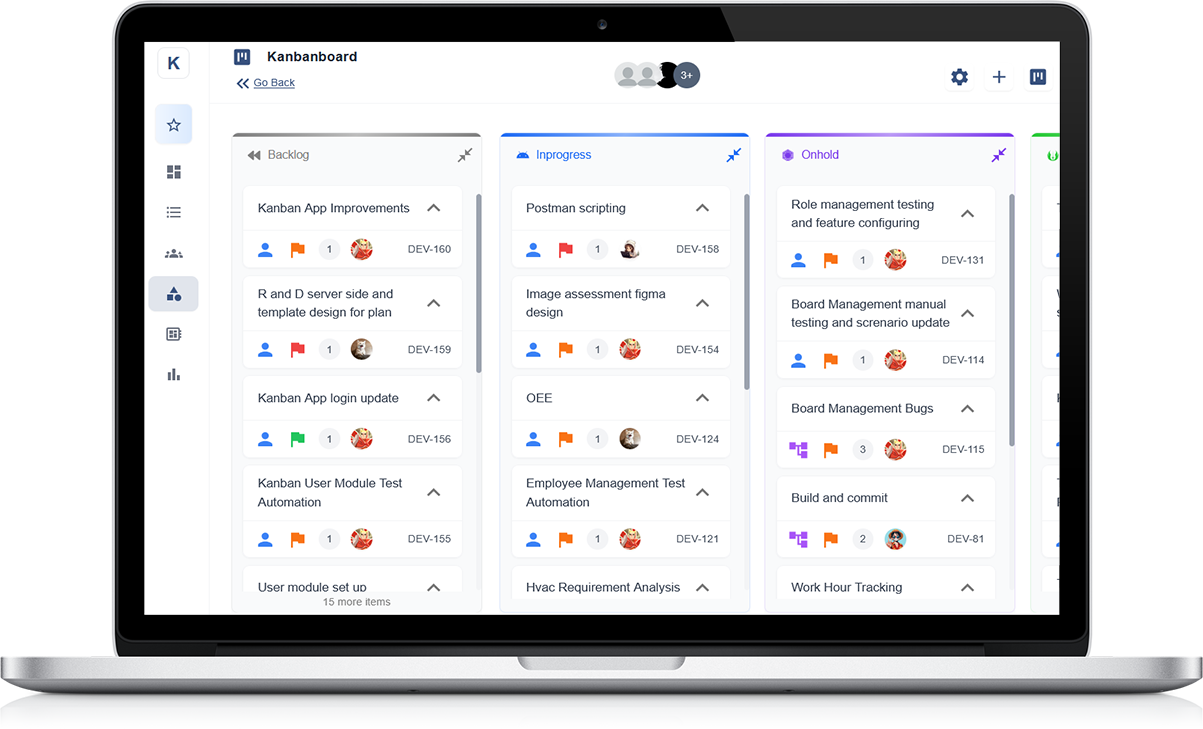
Traditional tools typically use fixed task lists, timelines, and dependency charts. These structures work well for predictable projects but can struggle when priorities change. Kanban boards focus instead on visualising ongoing work and managing flow rather than enforcing rigid plans.
Adapting to Change
Kanban allows work to evolve naturally. Tasks move through stages based on capacity and priority, not fixed deadlines. This makes Kanban more suitable for operational and service-based work where demand changes frequently.
Operational Visibility
While traditional tools often rely on reports and updates, Kanban boards provide instant visibility. Teams can see progress, delays, and workload distribution at a glance, supporting faster decisions and smoother delivery.
How Visual Workflow Management Sets Kanban Apart
Making Work Visible
Visual workflow management is at the core of Kanban. Every task is represented visually, making it easy for teams to understand what is happening without reading long reports or status updates.
Clarity Across Stages
Work stages are clearly defined, showing how tasks move from start to completion. This visibility highlights delays, handovers, and blocked work immediately.
Reducing Complexity
By using simple visual cues, Kanban reduces complexity in daily operations. Teams spend less time explaining progress and more time completing work efficiently.
Supporting Faster Decisions
Visual workflows allow managers and teams to identify issues quickly. Decisions can be made based on real-time information rather than assumptions or outdated plans.
Planning-Driven vs Flow-Based Work Management Approaches
Planning-Driven Work Models
Planning-driven approaches rely heavily on upfront planning. Tasks are scheduled, dependencies are mapped, and timelines are fixed early in the process. This works best in stable environments with minimal change.
Flow-Based Work Management
Flow-based management focuses on keeping work moving smoothly through the system. Instead of following strict plans, teams respond to real-time demand and capacity.
Handling Uncertainty
Flow-based approaches handle uncertainty more effectively. When priorities shift, work can be reordered without disrupting the entire system.
Improving Delivery Consistency
By managing flow rather than fixed plans, teams reduce delays, avoid overload, and deliver work more consistently over time.
Flexibility and Adaptability in Day-to-Day Work Execution
Responding to Daily Changes
Modern work environments require flexibility. Kanban supports day-to-day adjustments without the need to rebuild plans or schedules.
Adjusting Priorities Easily
Tasks can be reordered quickly based on urgency or business needs. This flexibility ensures teams always focus on the most valuable work.
Reducing Disruption
Unlike rigid systems, Kanban absorbs change smoothly. New work is introduced based on available capacity, reducing stress and confusion.
Supporting Continuous Delivery
Flexible execution helps teams maintain steady progress, even when demands shift unexpectedly.
Managing Work-in-Progress vs Managing Fixed Task Lists
Limitations of Fixed Task Lists
Fixed task lists often encourage teams to start too much work at once. This leads to delays, multitasking, and unfinished tasks.
Benefits of WIP Management
Managing work-in-progress limits the amount of active work. This improves focus, quality, and completion speed.
Reducing Bottlenecks
WIP limits highlight capacity issues early. Teams can address bottlenecks before they affect delivery timelines.
Improving Predictability
By controlling WIP, teams achieve more predictable outcomes and stable performance.
Real-Time Visibility Compared to Static Project Plans
Challenges with Static Plans
Static plans become outdated quickly. Changes in scope or priorities often require time-consuming updates.
Advantages of Real-Time Visibility
Kanban provides live insight into work status. Everyone sees the same current information.
Improved Communication
Real-time visibility reduces the need for constant status meetings and reports.
Faster Issue Resolution
Problems are identified immediately, allowing quicker corrective action.
Handling Changing Priorities Without Disrupting Delivery
Accepting Change as Normal
Changing priorities are common in modern operations. Kanban is designed to handle this reality.
Reprioritising Without Restarting
Work can be reordered without stopping or restarting projects.
Maintaining Flow Stability
By respecting capacity limits, changes do not overload teams.
Protecting Delivery Commitments
This approach ensures ongoing work continues smoothly despite shifting demands.
Collaboration and Team Transparency: Kanban vs Traditional Tools
Shared Understanding of Work
Kanban creates a shared view of work for everyone involved.
Reducing Silos
Transparency breaks down silos and improves cross-team cooperation.
Encouraging Ownership
Visible tasks promote accountability and shared responsibility.
Building Trust Through Openness
Clear visibility strengthens trust and collaboration across teams.
Tracking Performance Metrics and Workflow Efficiency
Why Performance Metrics Matter
Tracking performance metrics is essential for understanding how efficiently work moves through a workflow. Without clear data, teams often rely on assumptions, which can hide delays, overload, and wasted effort. Kanban-based tracking focuses on real activity rather than planned expectations.
Measuring Workflow Health
By monitoring how long tasks take to complete and how many items are finished over time, teams gain a realistic view of workflow health. These insights help identify whether work is flowing smoothly or becoming congested at certain stages.
Improving Efficiency Through Visibility
Visual performance indicators make inefficiencies obvious. When work starts to pile up in one stage, teams can take action early instead of reacting after deadlines are missed.
Supporting Continuous Optimisation
Regular review of workflow metrics enables teams to make small, steady improvements. Over time, this leads to faster delivery, reduced stress, and more predictable outcomes.
Scalability Across Teams, Departments, and Business Units
Starting Small and Expanding Gradually
One of the strengths of Kanban-style tools is their ability to scale naturally. Teams can begin with a single workflow and expand usage as confidence and understanding grow.
Supporting Multiple Workflows
Different teams often have different processes. Scalable systems allow each team to design workflows that suit their work while still maintaining organisational consistency.
Cross-Department Alignment
When multiple departments use visual workflows, dependencies become easier to manage. Teams can coordinate handovers and reduce delays caused by miscommunication.
Maintaining Control at Scale
As usage grows, leadership can maintain oversight without micromanaging. High-level views provide insight while allowing teams to work autonomously.
Supporting Continuous Improvement and Lean Practices
Embedding Improvement into Daily Work
Continuous improvement works best when it becomes part of everyday activity. Kanban-based workflows encourage regular reflection on how work is performed.
Identifying Waste and Inefficiency
Visual workflows expose unnecessary steps, delays, and rework. Once identified, teams can experiment with improvements in a low-risk way.
Encouraging Team Ownership
Teams are more likely to improve processes they can clearly see and control. This visibility builds accountability and engagement.
Creating Sustainable Change
Small, ongoing adjustments are easier to sustain than large process overhauls. Over time, these incremental changes deliver significant performance gains.
Ease of Use and Speed of Team Adoption
Reducing Learning Barriers
Ease of use plays a major role in how quickly teams adopt new ways of working. Simple visual layouts reduce the need for extensive training.
Supporting Immediate Engagement
When teams can see and interact with their work instantly, adoption happens naturally. Clear boards help people understand what to do without complex instructions.
Minimising Resistance to Change
User-friendly systems reduce frustration and resistance. Teams are more open to change when tools support their work instead of complicating it.
Building Confidence Quickly
Fast adoption builds confidence and encourages consistent usage, which is essential for long-term success.
Reporting and Insights for Better Decision-Making
Turning Data into Action
Effective reporting transforms raw data into meaningful insights. Decision-makers need clear information to guide priorities and improvements.
Understanding Trends Over Time
Historical workflow data highlights patterns in delivery speed, workload, and delays. These trends support better planning and forecasting.
Improving Strategic Decisions
Accurate insights help leaders decide where to invest resources, adjust processes, or remove constraints.
Supporting Transparency
Shared reports ensure everyone works from the same information, reducing confusion and misalignment.
When to Use Kanban Board Software Over Traditional Tools
Handling Ongoing and Unpredictable Work
Kanban is ideal when work arrives continuously rather than in fixed projects. It adapts well to changing priorities and workloads.
Improving Flow Rather Than Schedules
If delivery speed and consistency matter more than fixed timelines, Kanban provides a better fit.
Reducing Operational Bottlenecks
Teams facing frequent delays benefit from visual flow management that highlights constraints early.
Supporting Continuous Delivery
Kanban works best where value is delivered incrementally and regularly.
Choosing the Right Solution for Your Organisation’s Workflow Needs
Understanding Your Work Type
The right solution depends on whether work is predictable or constantly changing. Matching tools to reality is essential.
Assessing Team Maturity
Teams at different maturity levels require different levels of structure and flexibility.
Balancing Control and Autonomy
An effective workflow solution provides visibility without restricting team ownership.
Focusing on Long-Term Value
The best choice supports growth, improvement, and adaptability over time.