Managing construction projects effectively requires tools that provide real-time tracking, collaboration, and organizational clarity. An online construction project management board serves as a centralized platform for managing various aspects of construction projects, such as task assignments, progress tracking, resource allocation, and communication among team members.
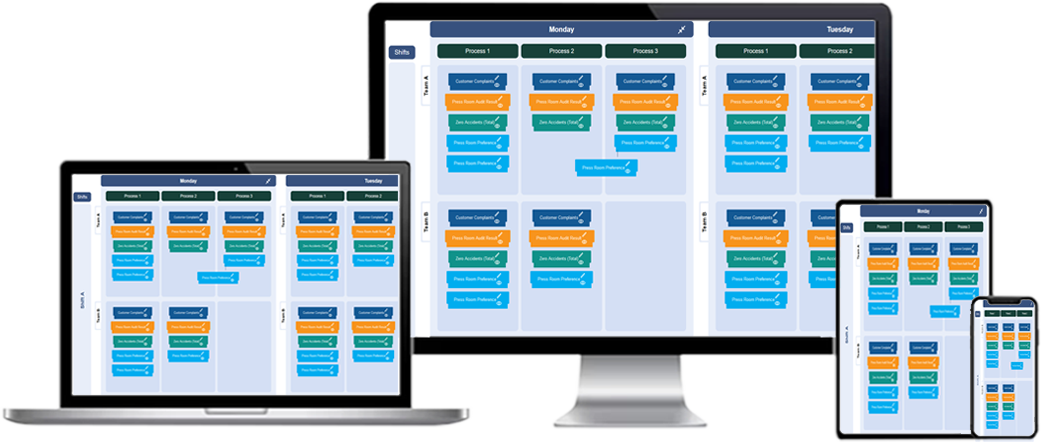
Key Features of an Online Construction Project Management Board
1. Task Organization and Scheduling
The board provides a structured framework to list tasks, categorize them, and assign deadlines. Each task is represented visually, ensuring clarity for all team members. Teams can break down large projects into manageable tasks and organize them by phases, such as design, procurement, construction, and inspection.
2. Real-Time Progress Tracking
Online boards allow team members to update task statuses in real time. This ensures that everyone is aware of the current progress and any potential bottlenecks. By visualizing project timelines, teams can identify delays and take corrective actions swiftly.
3. Resource Management
Effective resource allocation is critical in construction projects. The board provides a view of resource availability, including personnel, equipment, and materials. Teams can assign resources to specific tasks and monitor their utilization to avoid overburdening or underutilization.
4. Collaboration and Communication
An online board fosters seamless communication among team members, subcontractors, and stakeholders. Team members can leave comments on tasks, share updates, and upload necessary documents such as blueprints, permits, and inspection reports.
5. Customizable Layout
The board can be tailored to fit the unique needs of a construction project. Custom columns, task categories, and priority labels ensure that the board aligns with project requirements and team workflows.
Benefits of Using an Online Construction Project Management Board
1. Enhanced Project Visibility
The board provides a centralized platform where team members can view all project details, including tasks, deadlines, and updates. This transparency helps teams stay aligned and focused on project goals.
2. Improved Efficiency
By streamlining workflows and automating updates, the board reduces manual efforts and administrative tasks. Teams can dedicate more time to high-value activities, improving overall efficiency.
3. Better Decision-Making
Real-time data on project progress, resource allocation, and task completion empowers managers to make informed decisions. They can address issues promptly and ensure that the project stays on track.
4. Risk Mitigation
Early identification of delays, resource shortages, or potential conflicts enables proactive problem-solving. The board helps minimize risks and ensures smooth project execution.
5. Scalability
Whether managing small residential projects or large commercial developments, the board can scale to accommodate the complexity and size of the project. Teams can add more columns, tasks, and users as needed.
Steps to Implement an Online Construction Project Management Board
1. Define Project Requirements
Identify the specific needs of the construction project, such as task types, resource requirements, and stakeholder roles. This will help in customizing the board effectively.
2. Set Up the Board
Create columns that represent project phases or workflow stages, such as "To Do," "In Progress," "Completed," and "Pending Approval." Add tasks with relevant details, including descriptions, deadlines, and assigned team members.
3. Assign Roles and Responsibilities
Ensure that every team member has a clear understanding of their responsibilities. Assign tasks to individuals or teams and provide access to the board.
4. Monitor Progress
Regularly review the board to track progress and identify potential bottlenecks. Encourage team members to update task statuses and communicate any issues.
5. Evaluate and Adjust
Periodically evaluate the board's effectiveness in meeting project goals. Make adjustments to workflows, task categories, or resource allocation as needed.
Best Practices for Using an Online Construction Project Management Board
- Keep It Updated: Ensure that team members update task statuses, deadlines, and resource allocations regularly.
- Encourage Collaboration: Promote open communication and encourage team members to share updates and feedback on the board.
- Review Regularly: Conduct regular meetings to review progress and address any challenges.
- Maintain Simplicity: Avoid overcomplicating the board. Use a clear and intuitive layout to ensure ease of use.
- Focus on Priorities: Highlight high-priority tasks to ensure they receive the attention they require.
Construction Project Management Board Online
What is an online construction project management board?
An online construction project management board is a digital platform that helps teams organize, track, and manage tasks, timelines, resources, and progress for construction projects. It provides a central hub for collaboration and communication among stakeholders.
How does an online project board benefit construction teams?
An online project board benefits construction teams by providing real-time updates, improving task visibility, streamlining communication, and enabling efficient resource management. It helps keep projects on track by offering a clear overview of progress and potential bottlenecks.
What features should a construction project management board include?
Key features of a construction project management board include task assignment, progress tracking, timeline management, resource allocation, issue tracking, customizable workflows, document sharing, and integration with other tools used in construction projects.
How does an online project board improve collaboration in construction projects?
An online project board fosters collaboration by allowing team members to update tasks, share comments, and communicate in real-time. It centralizes project information, ensuring all stakeholders are aligned and informed throughout the project lifecycle.
Can a project management board track project milestones?
Yes, a project management board can track milestones by allowing teams to set and monitor key project phases and deadlines. This ensures that everyone is aware of critical goals and can take action to meet them on time.
How are tasks assigned and monitored on a project management board?
Tasks are assigned to team members through the board, with details such as deadlines, priority levels, and specific instructions. Progress is monitored using visual indicators like status bars, task lists, or color codes to represent completion stages.
What role does an online board play in resource allocation?
An online board helps allocate resources by providing a clear view of available assets, personnel, and equipment. It ensures that resources are distributed efficiently across tasks and minimizes conflicts or overuse.
How do online boards handle construction project timelines?
Online boards manage timelines by offering tools like Gantt charts or calendar views that allow teams to plan, schedule, and adjust tasks based on project deadlines. These features help ensure timely project delivery.
Can construction teams manage multiple projects on a single board?
Yes, many online project boards allow teams to manage multiple projects simultaneously. They provide separate views or tabs for each project while enabling an overall dashboard for tracking progress across all initiatives.
How do construction boards support issue tracking and resolution?
Construction boards support issue tracking by providing dedicated spaces for logging problems, assigning responsibility, and tracking resolution progress. This ensures that issues are addressed promptly and efficiently.
Is it possible to customize online boards for specific construction needs?
Yes, most online boards are customizable to fit the unique requirements of construction projects. Teams can create custom workflows, labels, and task categories to match their processes and priorities.
How do online boards improve reporting in construction projects?
Online boards improve reporting by generating detailed progress reports, highlighting completed tasks, pending work, and resource utilization. These insights help stakeholders make informed decisions and ensure project transparency.
What are the advantages of using visual tools like Gantt charts on construction boards?
Visual tools like Gantt charts provide a clear representation of project schedules, dependencies, and progress. They help teams identify potential delays, plan better, and maintain a smooth workflow throughout the project.
How secure is data stored on online construction project boards?
Data security depends on the platform used, but most modern tools use encryption, access controls, and regular backups to ensure the safety and confidentiality of project information.
What are the challenges of adopting an online board for construction project management?
Challenges include ensuring team members are trained to use the board effectively, managing initial setup and customization, and addressing concerns about data security or integration with existing tools.