What Is T Card Software and How It Benefits US Businesses
Overview of T Card Software
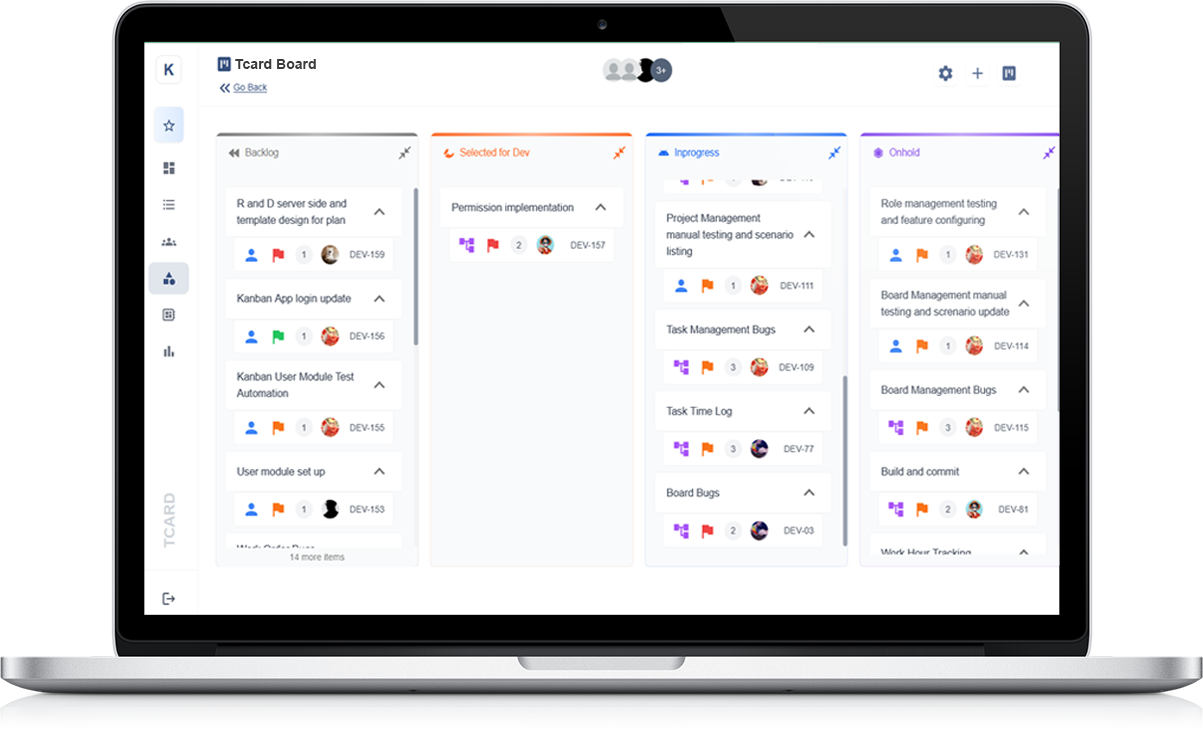
T Card software is a digital system designed to replicate the traditional T Card board for visual task management. It provides US businesses with a structured way to plan, assign, and monitor tasks efficiently. Each card represents a task, project, or activity, and is organised into workflow columns such as planned, in progress, or completed. This approach improves operational clarity, productivity, and workflow efficiency.
Creating and Assigning Tasks
Tasks can be created with detailed descriptions, deadlines, priority levels, and assigned to specific team members or departments. Cards can include attachments, notes, and progress updates, ensuring full visibility and accountability. Clear ownership reduces confusion and helps teams focus on key priorities.
Real-Time Workflow Management
As tasks progress, T Cards are moved across columns to show current status. Real-time updates are visible to all authorised users, allowing managers to monitor progress instantly. This reduces delays, miscommunication, and ensures deadlines are consistently met.
Supporting Daily Operations
T Card Software enables managers to balance workloads, identify bottlenecks, and track deadlines effectively. The visual format improves team focus, encourages accountability, and enhances overall operational efficiency. US businesses can streamline day-to-day operations and improve overall performance using T Card systems.
Why Companies in the USA Are Moving from Physical to Digital T Cards
Limitations of Physical T Cards
Traditional T Card boards rely on manual updates, which increase the risk of errors, lost cards, and outdated information. Boards are usually fixed in one location, limiting visibility for teams working across shifts or offices. These limitations hinder efficiency and make workflow management challenging.
Enhanced Accessibility and Collaboration
Digital T Cards allow teams to access tasks from any authorised device. Managers and employees can view progress, updates, and priorities in real time, improving coordination across departments. Remote teams or multiple office locations can stay aligned easily.
Time Savings and Accuracy
Manual updates take time and are prone to mistakes. Digital T Cards automate these processes, reducing administrative workload and improving data accuracy. Staff can focus on productive tasks rather than maintaining physical boards, increasing operational efficiency.
Supporting Modern Workflows
US businesses increasingly adopt flexible, collaborative, and data-driven workflows. Digital T Cards support these practices by providing clear task visibility, instant updates, and structured workflows. Teams benefit from higher efficiency, better accountability, and improved operational outcomes.
Key Features to Look for in the Best T Card Software
Visual Task Boards
High-quality T Card software provides a clear, visual layout that allows teams to see all tasks at a glance. Columns represent workflow stages, and cards display essential details such as task description, priority, and deadlines. This visual clarity improves usability and simplifies task tracking.
Customisable Workflows
The best T Card Software enables workflow customisation. Users can modify columns, card templates, and task attributes to align with organisational processes. Flexibility ensures the system adapts to the team’s workflow rather than forcing teams to change their processes.
Real-Time Updates and Notifications
Digital T Cards update instantly across all authorised devices. Notifications alert users to new tasks, changes, or deadlines. Real-time visibility enhances accountability, supports timely task completion, and improves collaboration across teams.
Reporting and Analytics
Advanced T Card software includes reporting features to track task completion, overdue tasks, and workload distribution. Insights from these reports allow managers to identify bottlenecks, optimise resources, and make data-driven decisions to improve performance and efficiency.
Improving Task Visibility and Team Accountability Across the USA
Centralised Task Management
Digital T Cards centralise all task-related information, providing a single source of truth. Managers and employees can view planned, in-progress, and completed tasks in real time. Key information such as priorities, deadlines, and assigned team members enhances visibility and control across teams.
Real-Time Progress Tracking
As tasks move through workflow stages, updates are visible instantly to all authorised users. Managers can monitor progress, respond to issues promptly, and ensure work stays on schedule. Real-time tracking reduces miscommunication and keeps teams aligned.
Identifying Bottlenecks Early
Visual tracking highlights tasks that are delayed or stalled. Managers can reassign work or provide additional resources to keep operations running smoothly. Early detection of issues prevents bottlenecks from affecting project timelines and overall productivity.
Enhanced Accountability and Coordination
Digital T Cards clearly display task ownership, deadlines, and progress. Teams understand responsibilities, coordinate effectively, and avoid duplication of work. This ensures tasks are completed efficiently and reliably across US businesses.
Streamlining Daily Task and Workload Management with Digital T Cards
Planning Daily Tasks
T Card Software provides a visual overview of all tasks, enabling managers and teams to plan daily workloads efficiently. Tasks can be prioritised, assigned, and tracked, ensuring everyone understands responsibilities and deadlines.
Balancing Workloads Across Teams
Managers can assess workload distribution and allocate tasks evenly across the team. This prevents bottlenecks, reduces employee stress, and ensures resources are used effectively for maximum productivity.
Monitoring Progress Throughout the Day
Real-time updates allow managers to monitor tasks as they progress. Adjustments can be made dynamically, delays can be addressed immediately, and deadlines are more likely to be met efficiently.
Encouraging Responsibility
Task ownership is clearly displayed on each card, promoting accountability. Teams stay organised, focused, and aligned with daily operational goals, ensuring consistent and reliable task completion.
Enhancing Collaboration and Communication in US Teams
Shared Visibility Across Teams
Real-time T Card updates allow all team members to see task information instantly. This improves transparency, reduces misunderstandings, and ensures that everyone is aware of current priorities and progress.
Faster and More Effective Communication
Teams can respond to changes immediately without relying on constant messaging or meetings. Instant updates streamline workflows, allowing staff to work efficiently and complete tasks collaboratively without delays.
Accountability and Coordination
Digital T Cards clearly indicate task ownership and status. Teams coordinate effectively, avoid duplication of work, and ensure that tasks are completed on time. This improves overall team performance and efficiency.
Supporting Cross-Functional Projects
Tasks involving multiple departments benefit from real-time visibility. All team members stay aligned, enabling cross-functional collaboration and reducing the risk of delays or confusion. This supports smoother project execution and better outcomes.
Reducing Manual Errors and Administrative Overhead with T Card Software
Eliminating Manual Updates
Digital T Cards reduce the need for manually moving or updating physical cards. This eliminates errors caused by misplaced or outdated information and ensures teams always work with accurate, up-to-date task data.
Streamlining Administrative Work
Automation reduces time spent on routine administrative tasks such as updating boards or correcting errors. Staff can focus on productive work, improving operational efficiency and reducing overhead.
Maintaining Data Accuracy
All updates are logged in real time and visible to authorised users. This ensures consistency, reliability, and transparency of task data, which supports better decision-making and planning.
Improving Operational Efficiency
With fewer errors and less administrative effort, teams complete work faster and more accurately. Digital T Cards provide a centralised, reliable platform that supports smooth operations, timely task completion, and increased productivity across US businesses.
Supporting Lean and Visual Management Practices in American Industries
Enhancing Workflow Visibility
Lean and visual management principles are widely used in American industries to boost efficiency and reduce operational waste. Digital T Card systems provide a clear visual representation of tasks, allowing teams to see at a glance which tasks are planned, in progress, or completed. This clarity ensures that team members understand priorities, responsibilities, and deadlines, reducing confusion and improving workflow. Visual boards also make it easier to identify overdue tasks, capacity issues, and bottlenecks, enabling managers to take proactive measures and maintain smooth operations.
Eliminating Waste and Increasing Efficiency
Lean management emphasises the removal of waste from business processes. T Card systems highlight areas where tasks are delayed or congested, enabling teams to redistribute workloads and adjust priorities. This proactive approach reduces unnecessary delays and enhances overall efficiency. American organisations, often spread across multiple locations or departments, benefit from the structured visibility that digital T Cards offer, ensuring tasks move efficiently from one stage to the next.
Facilitating Team Communication
T Card boards are effective tools for daily meetings, stand-ups, and progress reviews. They encourage open communication by allowing teams to discuss progress, update task statuses, and identify challenges collaboratively. This visual method ensures everyone has a shared understanding of current priorities and deadlines, strengthening cross-department collaboration and improving coordination across sites.
Promoting Accountability and Ownership
Each T Card clearly assigns a responsible team member, promoting accountability and task ownership. Team members are encouraged to update progress regularly, ensuring transparency and timely task completion. By supporting lean and visual management principles, T Card systems help American organisations improve efficiency, enhance communication, and maintain control over operations while fostering a culture of continuous improvement.
Identifying Bottlenecks Quickly Using Digital T Card Systems
Visual Tracking of Task Flow
Digital T Card systems offer a visual overview of all tasks, enabling teams to monitor workflow stages at a glance. When tasks begin to accumulate in a specific stage, it signals a bottleneck that requires attention. Immediate visibility allows managers to address delays before they impact deadlines or productivity, maintaining smooth operations and avoiding workflow disruption.
Real-Time Updates and Responsiveness
Unlike manual tracking or physical boards, digital T Cards update in real time. This ensures that any delays or backlogs are instantly visible to all stakeholders. Managers can reassign tasks, adjust priorities, or allocate additional resources immediately, preventing bottlenecks from escalating and keeping projects on track.
Data-Driven Insights
T Card software captures task performance data over time, allowing teams to identify recurring bottlenecks and process inefficiencies. Analysing patterns helps in understanding which workflow stages commonly experience delays, enabling targeted interventions. This data-driven approach supports long-term operational improvements and reduces the likelihood of repeated bottlenecks.
Optimising Resource Allocation
Once bottlenecks are identified, managers can redistribute workloads or adjust task schedules to maintain efficiency. Digital T Card systems provide the necessary visibility to make informed decisions quickly. This proactive management enhances productivity, reduces wasted time, and ensures that operational performance remains consistent and reliable.
Standardising Task Tracking Across Departments and Locations
Creating Consistent Workflows
Standardising task tracking ensures that all teams, departments, and locations follow the same workflow stages and reporting structure. Digital T Card systems enable organisations to implement uniform boards, allowing employees to understand task progress clearly, regardless of their department or location. This reduces confusion and ensures that everyone interprets task data in the same way, improving operational alignment.
Minimising Errors and Miscommunication
Inconsistent tracking methods across departments can lead to errors, duplicated efforts, and miscommunication. Standardised T Card layouts create a single source of truth, providing accurate and reliable task information. This reduces mistakes, simplifies reporting, and ensures that managers and employees have access to consistent data for decision-making.
Improving Cross-Department Collaboration
Standardisation facilitates collaboration across departments and locations. Tasks can be handed over smoothly, boards can be shared efficiently, and responsibilities remain clear. This reduces delays, improves coordination, and ensures that projects progress seamlessly across the organisation, particularly in multi-site American operations.
Enhanced Oversight and Decision-Making
Uniform task tracking provides managers with comparable data across teams. Trends, workload imbalances, and performance gaps become easy to identify, enabling informed decisions and better resource allocation. Standardisation supports continuous improvement and ensures consistent operational performance across the organisation.
Driving Continuous Improvement with T Card Analytics
Capturing Comprehensive Task Data
Digital T Card systems automatically record task information, including progress, duration, and responsible personnel. This data is critical for understanding workflow efficiency and operational performance. By capturing accurate task data consistently, organisations can make informed decisions about process improvements and operational optimisation.
Identifying Trends and Inefficiencies
T Card analytics reveal patterns in workflow, highlighting recurring delays and areas of inefficiency. Teams can analyse this data to identify root causes and implement targeted improvements. Recognising trends supports evidence-based decision-making, helping organisations to continuously refine workflows and reduce operational waste.
Facilitating Incremental Improvements
Continuous improvement works best when small, regular changes are applied. T Card analytics provide insight into the impact of adjustments, allowing teams to fine-tune processes gradually. This approach ensures improvements are sustainable, minimising disruption to ongoing operations while embedding a culture of continuous optimisation.
Encouraging Engagement and Accountability
When employees see tangible results from their contributions, engagement and accountability increase. Transparent data and task ownership motivate staff to take initiative and participate actively in process improvements. T Card analytics thus support both operational efficiency and a culture of continuous development across American organisations.
Cloud-Based vs On-Premise T Card Solutions for US Organisations
Accessibility and Flexibility
Cloud-based T Card systems allow teams to access boards from any location, supporting remote work and multi-site operations common in American industries. On-premise solutions are limited to specific locations or networks, reducing flexibility. Cloud solutions provide real-time updates and enable seamless collaboration across geographically distributed teams, ensuring operational efficiency and responsiveness.
Maintenance and Updates
Cloud platforms automatically update software and security features, reducing the need for internal IT intervention. On-premise systems require manual updates, maintenance, and infrastructure management, which can be costly and time-consuming. Cloud solutions ensure teams always have access to the latest features and security protocols without operational disruption.
Data Security and Compliance
Cloud-based T Card systems provide strong security controls, encryption, and audit trails. They support compliance with US data protection and privacy regulations. On-premise solutions require additional internal resources to maintain the same level of compliance. Cloud solutions offer reliable, secure access while minimising operational risk and ensuring regulatory adherence.
Scalability and Cost Efficiency
Cloud T Card software scales easily as organisations grow, allowing new users, teams, or projects to be added without significant infrastructure changes. On-premise systems often require substantial investment to scale. Cloud platforms provide predictable costs, rapid deployment, and flexibility to adapt to changing operational demands, making them a practical choice for US businesses.
Scaling Operations Efficiently with Digital T Card Software
Supporting Organisational Growth
Digital T Card systems are highly scalable, enabling organisations to expand operations without disrupting existing workflows. Adding new teams, projects, or locations is straightforward, maintaining consistent task tracking and operational visibility. This ensures that performance and efficiency are preserved even as complexity and workload increase.
Centralised Monitoring
Centralised boards give managers a clear view of multiple teams, locations, or projects. This facilitates effective workload balancing, resource allocation, and proactive intervention when delays occur. Centralised monitoring ensures smooth task flow and operational efficiency, even as the organisation grows in size and scope.
Maintaining Consistency Across Teams
Scalable digital T Card systems maintain standardised workflows across all departments. Employees follow familiar processes regardless of location, reducing errors and improving collaboration. Consistency ensures best practices are applied organisation-wide, supporting operational excellence and quality standards during periods of growth.
Flexible Adaptation for the Future
Digital T Card software adapts to changes in workload, team size, or operational strategy. Organisations maintain control, visibility, and efficiency without major disruptions. Scalable systems provide the flexibility needed for sustainable growth, ensuring long-term operational reliability and agility.
Ensuring Data Security and Compliance for US Businesses
Protecting Sensitive Information
Digital T Card systems use robust access controls to ensure that only authorised personnel can view or modify tasks. Sensitive operational and project data is protected, reducing the risk of unauthorised access or data breaches. Secure permissions support operational reliability and safeguard business-critical information.
Compliance with US Regulations
US businesses must adhere to strict privacy and data protection laws. T Card software supports compliance through secure storage, audit logs, and controlled access. Reducing reliance on paper-based systems also lowers the risk of lost or misplaced information, ensuring regulatory adherence and operational integrity.
Accountability and Audit Trails
Every update in a digital T Card system is logged, creating a complete audit trail. Managers can track who made changes and when, ensuring transparency and accountability. Auditability ensures that compliance standards are met and that operational practices are verifiable during internal or external reviews.
Building Trust and Reliability
Secure and compliant T Card systems foster trust among staff, stakeholders, and clients. Employees are confident that sensitive information is protected, which encourages engagement and proper use of the system. Reliable security practices contribute to operational integrity and support effective task management across all teams.
How the Right T Card Software Delivers Measurable Business Results
Boosting Productivity
Digital T Card software enhances productivity by providing clear visibility of tasks and real-time updates. Teams spend less time tracking progress manually and more time completing work. Managers can balance workloads, reduce bottlenecks, and allocate resources effectively, leading to faster task completion and improved overall performance.
Minimising Errors and Delays
Accurate, real-time task updates reduce errors caused by miscommunication or outdated information. Teams can respond quickly to changes, ensuring deadlines are met and operations run smoothly. This minimises wasted effort, prevents rework, and supports consistent performance across the organisation.
Data-Driven Decision Making
T Card systems capture task data that managers can analyse to identify trends, inefficiencies, and opportunities for improvement. These insights enable informed decisions about process optimisation, resource allocation, and operational strategy. Data-driven decision making leads to measurable improvements in efficiency and overall business performance.
Enhancing Accountability and Oversight
Clear tracking of task ownership and progress improves accountability across teams. Managers can monitor performance, provide timely feedback, and intervene when needed. This transparency strengthens operational control, reduces bottlenecks, and delivers measurable improvements in productivity, efficiency, and quality across the organisation.