What Is T Card Software and How It Helps German Businesses
Overview of T Card Software
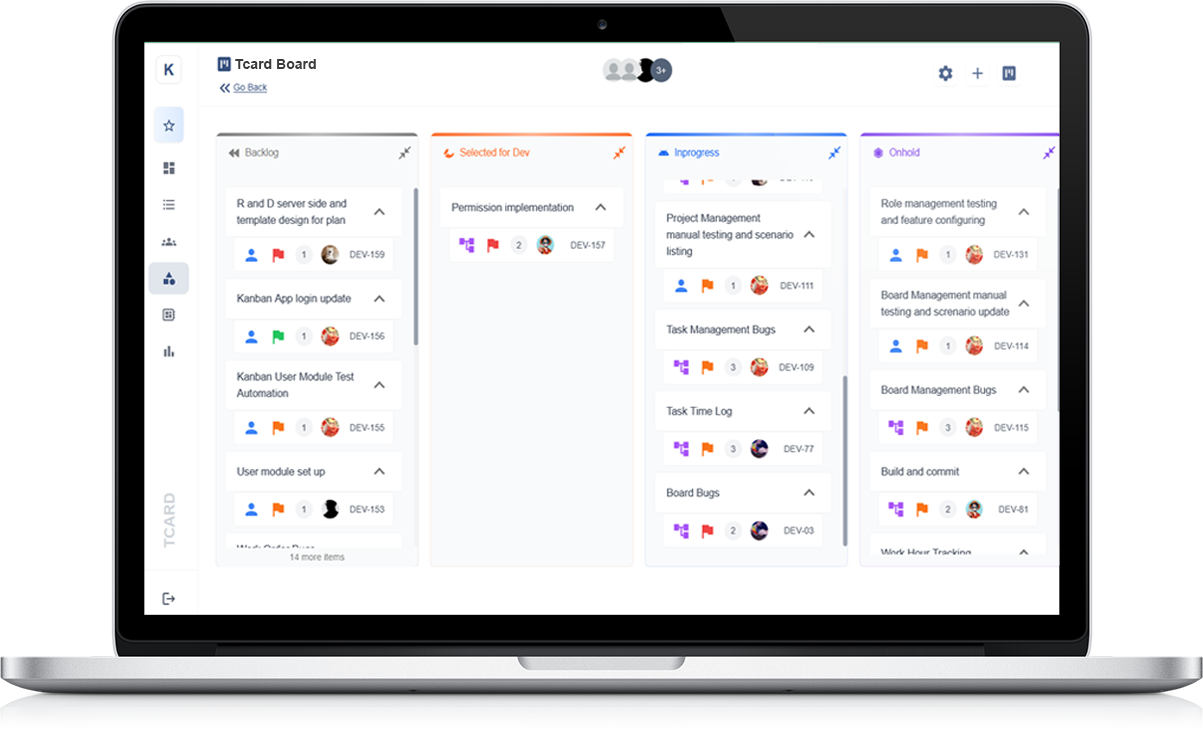
T Card software is a digital platform that modernises the traditional T Card board system. It helps German businesses organise, track, and manage work efficiently using a visual layout. Each card represents a single task, project, or activity, and is placed into columns reflecting workflow stages such as planned, in progress, or completed. This structure improves clarity and simplifies tracking for teams across different departments.
Creating and Assigning Tasks
Users can create T Cards with detailed task descriptions, deadlines, priority levels, and assign them to team members or departments. Cards can also include progress notes and attachments. This ensures tasks are clearly defined, responsibilities are transparent, and accountability is maintained.
Real-Time Updates and Workflow Tracking
As tasks progress, T Cards are moved across columns to indicate current status. Real-time updates allow all authorised users to see changes instantly, reducing delays, errors, and confusion. This ensures teams can react quickly to shifting priorities and maintain operational efficiency.
Supporting Operational Efficiency
T Card Software aids in daily planning and workload management. Managers can quickly identify overdue tasks, balance workloads, and maintain focus on priorities. This visual, structured approach increases productivity, accountability, and overall business performance.
Why German Companies Are Switching from Physical to Digital T Cards
Limitations of Physical T Cards
Traditional T Card boards rely on manual updates, which can result in lost cards, outdated information, and human error. They are often fixed to one location, limiting visibility for teams working across shifts or sites. These challenges hinder efficiency and create difficulties in managing workflows effectively.
Enhanced Accessibility and Collaboration
Digital T Cards allow employees to access task information from anywhere using authorised devices. This ensures managers and teams have real-time visibility of workloads and progress, improving coordination and collaboration across departments or remote teams.
Time Savings and Accuracy
Manual administration such as rewriting cards, correcting errors, and updating boards consumes significant time. Digital systems automate these tasks, reducing administrative workload and improving accuracy. Teams can focus on productive work instead of routine updates.
Aligning with Modern Work Practices
German companies increasingly adopt flexible and data-driven work processes. Digital T Cards support these practices by offering structured task management, instant updates, and transparent workflows. Organisations benefit from higher efficiency, improved accountability, and better operational performance.
Key Features to Look for in the Best T Card Software
Visual Task Boards
High-quality T Card software provides a clear visual layout, making it easy to track tasks at a glance. Columns represent workflow stages, and each card shows task details, status, and deadlines. This improves usability and reduces training requirements.
Customisable Workflows
The best T Card Software allows users to customise workflows, columns, and card templates to suit their operational processes. Flexibility ensures the system adapts to the business rather than forcing teams to change their established workflows.
Real-Time Updates and Notifications
Digital T Cards update instantly across all devices. Notifications alert team members to new tasks, changes, or deadlines, enhancing accountability and ensuring tasks are completed efficiently. This improves collaboration and decision-making.
Reporting and Analytics
Advanced T Card software includes reporting features to monitor task completion, overdue activities, and workload distribution. Insights from these reports help managers optimise resources, prevent bottlenecks, and improve overall performance.
Improving Task Visibility and Control Across Teams
Centralised Task Information
Digital T Cards store all task-related information in one platform, providing a clear overview of planned, in-progress, and completed tasks. Key details such as deadlines, priorities, and assignees are visible, improving transparency and control.
Real-Time Progress Tracking
Updates to task status are visible instantly, ensuring managers and teams always have accurate information. This prevents delays, miscommunication, and duplication of work, improving efficiency across departments.
Spotting Bottlenecks Early
Visual tracking makes it easy to identify tasks that are stalled or delayed. Managers can quickly intervene, reassign work, or allocate resources to keep projects on schedule and avoid missed deadlines.
Enhanced Accountability and Coordination
Digital T Cards clearly indicate task ownership, deadlines, and progress. This encourages accountability and improves coordination between teams, ensuring work is completed efficiently and accurately.
Streamlining Daily Task and Workload Management with T Cards
Planning Daily Tasks
T Card Software presents all tasks visually, allowing managers and teams to plan daily activities effectively. Tasks can be prioritised, assigned, and tracked, ensuring everyone knows their responsibilities and deadlines.
Balancing Workloads Across Teams
Clear visibility of task distribution enables managers to balance workloads fairly. Staff can see who is responsible for each task, helping prevent bottlenecks and ensuring optimal use of resources.
Tracking Progress Throughout the Day
As tasks move through stages, teams can monitor progress in real time. This helps managers adjust priorities dynamically, resolve delays quickly, and ensure that deadlines are met efficiently.
Maintaining Accountability
Each card shows the assigned person and status, which encourages responsibility and reduces missed or overlooked tasks. Teams stay organised, focused, and aligned with daily operational goals.
Enhancing Team Collaboration Through Real-Time Updates
Shared Visibility Across Teams
Real-time updates allow all team members to see current task information instantly. This improves transparency, reduces miscommunication, and ensures everyone is aware of task status, priorities, and responsibilities.
Faster Communication
With real-time updates, teams no longer rely on constant messaging or meetings to check task progress. Changes are visible immediately, enabling quicker responses and smoother workflow management.
Improved Accountability
Digital T Cards clearly indicate task ownership and progress, encouraging responsibility. Teams can collaborate more effectively, avoid duplication of work, and achieve goals efficiently.
Supporting Cross-Functional Work
Tasks involving multiple teams or departments benefit from real-time visibility. Updates ensure all relevant team members are aligned, helping projects move forward without delays or confusion.
Reducing Manual Errors and Administrative Work with Digital Systems
Eliminating Manual Updates
Digital T Card systems remove the need for manual card updates, reducing errors caused by misplaced or outdated information. This improves data accuracy and ensures teams are working with reliable information at all times.
Streamlining Administrative Tasks
Automation reduces the time spent updating boards or correcting mistakes. Staff can focus on productive work rather than administrative maintenance, saving time and improving operational efficiency.
Maintaining Data Accuracy
All changes are logged and visible in real time. This guarantees that all authorised users have access to accurate, consistent information, reducing miscommunication and errors in task management.
Supporting Efficient Operations
With fewer manual errors and less administrative effort, teams can complete tasks faster, meet deadlines, and maintain higher overall performance. Digital T Cards provide a reliable system that supports smooth daily operations and productivity.
Supporting Lean and Visual Management Practices in German Industries
Enhancing Workflow Visibility
Lean and visual management practices are widely adopted in German industries to improve efficiency and reduce waste. T Card systems provide a visual overview of tasks, allowing teams to see the status of work at a glance. By arranging tasks in columns that reflect workflow stages, employees can instantly understand what is planned, in progress, or completed. This transparency reduces confusion and ensures all team members are aligned with operational priorities.
Eliminating Waste and Bottlenecks
One of the core principles of lean management is removing waste from processes. T Card systems highlight delays and bottlenecks clearly, making it easier to take corrective actions promptly. German industries often rely on precise scheduling and efficiency, and a visual task management tool supports this by showing where work is piling up. Teams can adjust workloads, reassign tasks, and prevent delays before they affect production or service delivery.
Facilitating Team Communication
T Cards are valuable for daily briefings and team meetings. Employees can discuss progress, update task status, and address challenges collaboratively. Visual task boards promote better communication by making priorities and responsibilities clear. This approach encourages engagement and ensures that teams across departments work cohesively towards shared objectives.
Encouraging Accountability
Each T Card clearly displays the person responsible for the task. This promotes accountability and ensures tasks are completed on time. German industries benefit from structured and disciplined workflows, and visible ownership of tasks strengthens adherence to schedules and quality standards. Overall, T Card systems support lean and visual management by enhancing visibility, efficiency, communication, and accountability within teams.
Identifying Bottlenecks Quickly Using T Card Software
Visual Clarity of Task Flow
T Card software allows teams to see the flow of tasks across stages clearly. When tasks begin to accumulate in a particular stage, it is a clear indicator of a bottleneck. This immediate visibility helps managers and team members detect delays quickly, reducing the risk of project slowdowns. Visual clarity is especially valuable in dynamic work environments where multiple tasks move simultaneously.
Real-Time Updates
Digital T Cards update in real time, giving a current snapshot of all ongoing tasks. Unlike manual boards, there is no lag in reflecting progress, ensuring that bottlenecks are detected as soon as they occur. This immediacy allows teams to take corrective action quickly, reassign tasks, and adjust schedules to maintain workflow efficiency.
Data Insights for Patterns
By monitoring task completion and delays over time, T Card software provides insights into recurring bottlenecks. Teams can analyse patterns and identify process stages that frequently slow down work. This data-driven approach enables continuous improvement and helps prevent future delays, ensuring smoother operations and consistent productivity.
Optimising Workflow
Once bottlenecks are identified, managers can optimise workflows by reallocating resources or changing priorities. T Card software supports these decisions by providing clear visibility and reliable data. The result is improved task flow, faster completion times, and better resource management, helping organisations maintain operational efficiency and achieve performance targets consistently.
Standardising Task Tracking Across Departments and Locations
Uniform Workflow Structure
Standardising task tracking ensures that all departments and locations follow a consistent workflow. T Card software allows organisations to implement uniform boards, making it easy for employees across different teams to understand task status. A standardised approach reduces miscommunication and ensures that everyone interprets task progress in the same way, promoting operational clarity.
Minimising Errors
When task tracking varies across teams, errors and misunderstandings can occur. Standardised T Card layouts prevent ambiguity and ensure tasks are tracked uniformly. This consistency reduces mistakes, simplifies reporting, and ensures reliable data is available for decision-making across the organisation.
Supporting Cross-Location Collaboration
Standardisation makes it easier to collaborate across departments and locations. Teams can share boards seamlessly, hand over tasks effectively, and maintain clarity on responsibilities. This reduces delays and ensures that work progresses smoothly even when multiple locations are involved.
Improved Oversight and Reporting
Standardised tracking provides managers with clear and comparable data across all teams. Trends, workload imbalances, and bottlenecks become easier to identify. This enables informed decisions and supports continuous improvement, ensuring that operational performance is consistent across the organisation.
Driving Continuous Improvement Through T Card Analytics
Capturing Detailed Task Data
Digital T Card systems record detailed information about each task, including duration, status changes, and responsible personnel. This data forms a valuable resource for analysing operational performance. By understanding how tasks progress through workflows, teams can make informed decisions about areas needing improvement.
Identifying Trends and Patterns
Analytics from T Card systems reveal recurring delays or inefficiencies. Teams can study these patterns to pinpoint process stages that slow down work, enabling targeted interventions. Understanding trends supports data-driven decision-making and helps organisations implement changes that improve workflow efficiency over time.
Supporting Incremental Improvements
Continuous improvement is most effective when small, regular changes are applied. T Card analytics provide evidence of the impact of these changes, allowing teams to adjust processes incrementally. This method fosters a culture of gradual optimisation without disrupting ongoing operations.
Enhancing Engagement and Accountability
When employees see measurable improvements from their efforts, motivation and engagement increase. Clear accountability, combined with visible results, encourages staff to contribute proactively to process improvements, ensuring that continuous improvement becomes embedded in organisational culture.
Cloud-Based vs On-Premise T Card Solutions for Germany
Access and Flexibility
Cloud-based T Card solutions offer teams access from any location, supporting remote work and multi-site operations common in German industries. On-premise systems are limited to specific locations, which can reduce flexibility. Cloud systems enable real-time updates and seamless collaboration regardless of where teams are based, making them ideal for dynamic operational environments.
Maintenance and Updates
Cloud platforms are updated automatically, reducing the need for IT intervention. On-premise systems require local maintenance and manual updates, which can be time-consuming and costly. Cloud solutions minimise operational disruption and ensure that teams always have access to the latest features and security updates without delays.
Data Security and Compliance
Cloud-based T Card solutions provide secure access controls, data encryption, and compliance with data protection regulations. German businesses must adhere to strict data protection laws, and cloud systems are designed to support these requirements. On-premise systems may require additional resources to meet security and compliance standards effectively.
Scalability and Cost Efficiency
Cloud T Card software scales easily as organisations grow, adding users or projects without major infrastructure changes. On-premise systems often require significant investment to scale. Cloud solutions offer predictable costs, faster deployment, and the flexibility to adapt to changing operational demands, making them a practical choice for German businesses seeking efficiency and growth.
Scaling Operations Easily with Digital T Card Systems
Supporting Organisational Growth
Digital T Card systems are highly scalable, allowing businesses to expand operations without overhauling processes. New teams, projects, or locations can be added effortlessly while maintaining the same task structure. This ensures operational continuity and consistent workflow visibility, even as task volume increases.
Centralised Oversight
Centralised T Card boards provide managers with a clear view of multiple teams and sites. This enables efficient resource allocation, workload balancing, and monitoring of task progress across the organisation. Managers can intervene proactively when required, preventing delays and ensuring smooth operations as business scales.
Consistency Across Teams
Standardised digital boards maintain consistent workflows across all departments. Employees can follow familiar processes regardless of location, reducing errors and improving collaboration. This uniformity ensures that best practices are applied consistently, supporting operational excellence.
Flexibility for the Future
Scalable T Card systems adapt to changes in demand, workforce size, or operational complexity. Organisations can maintain efficiency, control, and visibility without disruption, ensuring long-term operational agility and reliability as the business grows.
Ensuring Data Security and Compliance for German Businesses
Protecting Operational Information
Digital T Card systems incorporate strong access controls to ensure that only authorised personnel can view or modify tasks. This safeguards sensitive business data and reduces the risk of unauthorised access. Clear permission settings support operational integrity and minimise security breaches.
Compliance with German Data Protection Laws
Germany has strict data protection requirements. T Card software helps organisations comply by maintaining secure storage, detailed audit logs, and controlled access. Reducing reliance on paper-based records also mitigates risks associated with lost or misplaced documents.
Auditability and Accountability
All task updates are recorded, creating a reliable audit trail. Managers can track who made changes and when, supporting accountability and transparency. This ensures that compliance standards are consistently met and operational practices are traceable for internal or external audits.
Building Trust and Reliability
Secure and compliant systems build confidence among staff and stakeholders. Employees are assured that operational data is protected, fostering trust and engagement. Businesses can operate efficiently while maintaining high standards of data security and regulatory compliance.
How the Right T Card Software Delivers Measurable Operational Benefits
Increasing Productivity
T Card software improves productivity by making tasks visible and enabling real-time updates. Teams spend less time tracking progress manually and more time executing tasks. Managers can balance workloads effectively, reducing bottlenecks and optimising resource allocation for faster task completion.
Reducing Errors and Delays
Digital T Cards minimise errors by providing up-to-date information at all times. Delays caused by miscommunication or outdated records are reduced, ensuring that work progresses smoothly. Teams can respond quickly to urgent changes, maintaining consistent operational performance.
Supporting Data-Driven Decisions
T Card systems capture task data that managers can analyse to identify trends, inefficiencies, and opportunities for improvement. This enables informed decisions about workflow optimisation, staffing, and process enhancements. Data-driven insights help organisations achieve measurable operational gains.
Strengthening Control and Accountability
By tracking responsibilities and progress clearly, T Card software enhances managerial oversight. Transparent task tracking promotes accountability among team members and allows managers to intervene proactively when needed. This leads to measurable improvements in efficiency, quality, and overall operational outcomes.