Kanban boards have become indispensable for businesses seeking to streamline their workflows and boost productivity. As a proven visual management method, Kanban facilitates transparency, collaboration, and efficiency across teams. In 2026, the demand for online Kanban tools continues to soar, offering features tailored to meet diverse business needs.
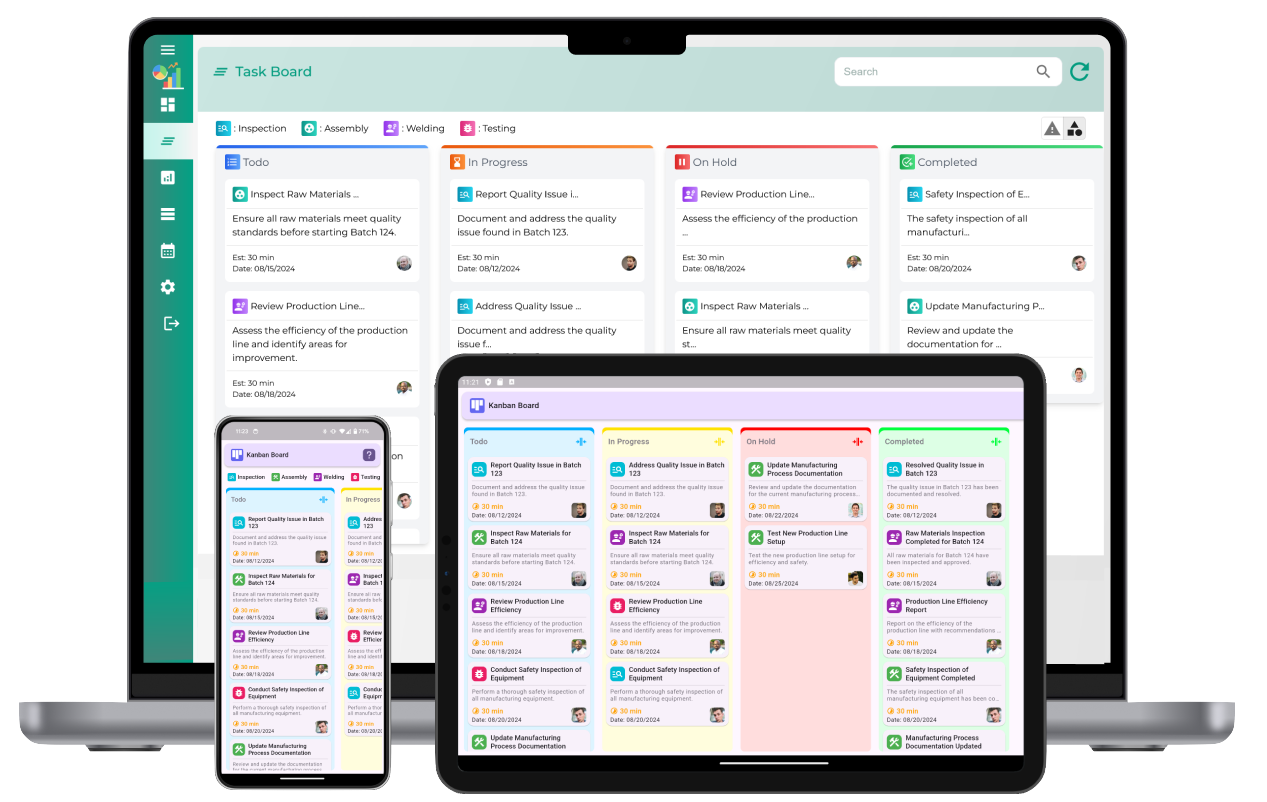
What is Kanban?
Kanban is a workflow visualization technique that organizes tasks into columns representing stages like "To Do," "In Progress," and "Done." It enhances team collaboration, ensures resource efficiency, and fosters continuous improvement. Ideal for agile environments, Kanban adapts to dynamic priorities and workflows.
Key Features of Online Kanban Boards
- Customizable Workflows: Tailor columns and cards to suit your specific business processes.
- Real-Time Collaboration: Enable team members to update tasks, leave comments, and share files from any location.
- Task Automation: Reduce manual effort with automated task assignments, reminders, and recurring task scheduling.
- Analytics and Reporting: Gain insights into workflow efficiency with detailed metrics like lead time, cycle time, and task completion rates.
- Scalability: Adapt to the needs of teams ranging from small startups to large enterprises.
- Integration Capabilities: Connect with other tools like time tracking, communication platforms, and CRMs for seamless workflows.
- User-Friendly Interface: Offer a clear, intuitive design for easy onboarding and daily use.
Benefits of Using Kanban Boards
Kanban boards improve visibility, enhance collaboration, reduce bottlenecks, and optimize workflows. They enable continuous improvement through real-time metrics, helping teams adapt to changing needs and priorities effectively.
- Improved Visibility: Teams can track tasks visually, making it easy to understand progress and priorities at a glance.
- Enhanced Collaboration: With shared boards, teams work cohesively, ensuring alignment and reducing miscommunication.
- Efficient Resource Allocation: By limiting the number of tasks in progress, Kanban helps optimize resource use and avoid overload.
- Reduced Bottlenecks: Workflow stages highlight where tasks are delayed, allowing teams to address issues promptly.
- Flexibility: Kanban adapts to changing priorities, ensuring that teams remain agile in dynamic environments.
- Continuous Improvement: Analytics and feedback loops encourage iterative enhancements in processes and workflows.
Best Kanban Boards in 2026
1. Versatility in Use Cases
Modern Kanban tools cater to industries like manufacturing, healthcare, software development, and personal task management.
2. Cloud-Based Accessibility
Teams collaborate seamlessly from anywhere, making online Kanban boards perfect for remote work.
3. Advanced Customization
Custom workflows, task cards, and tags allow businesses to tailor Kanban boards to their specific needs.
4. Data-Driven Decision-Making
Built-in analytics provide insights into workflow efficiency, helping teams identify and resolve bottlenecks.
5. Automated Task Management
Automation features like task assignments and reminders reduce manual effort, boosting productivity.
6. Scalability for Growing Teams
Scalable tools support both small teams and large enterprises without compromising performance.
7. Secure Collaboration
Advanced security measures protect sensitive data, ensuring safe and reliable collaboration.
Top Trends in Kanban Tools for 2026
- AI-Powered Recommendations: Advanced tools leverage AI to suggest workflow improvements, optimize task prioritization, and predict potential bottlenecks.
- Integration with Agile Methodologies: Combining Kanban with frameworks like Scrum to create hybrid models for enhanced project management.
- Mobile Optimization: Fully responsive designs that enable task updates and notifications on the go.
- Focus on Sustainability: Eco-friendly tools that reduce the need for paper-based workflows.
- User-Centric Design: Enhanced interfaces that prioritize ease of use and accessibility for diverse teams.
How to Choose the Best Kanban Tool for Your Business
Selecting the right Kanban board depends on your organization’s needs. Consider the following factors:
- Team Size: Ensure the tool can accommodate your current team size and scale as you grow.
- Feature Set: Look for features like automation, analytics, and integrations that align with your workflow.
- Ease of Use: Choose a tool with a simple interface for quick adoption.
- Cost-Effectiveness: Opt for tools that offer robust functionality within your budget.
- Customer Support: Reliable customer service is crucial for resolving issues and ensuring seamless operation.
Conclusion
Kanban boards are essential for enhancing workflows and achieving operational excellence in 2026. By visualizing tasks, fostering collaboration, and driving continuous improvement, these tools empower businesses to thrive in a fast-paced world. Choose the right Kanban solution to unlock your team’s full potential.
Best Kanban Tools in 2026: Revolutionizing Task Management
What is Kanban?
Kanban is a visual workflow management method that helps teams visualize work, optimize processes, and improve productivity by organizing tasks into columns representing their stages.
What are Kanban tools?
Kanban tools are digital or physical platforms that help manage tasks and workflows using the Kanban methodology, typically through boards with cards representing tasks.
What are the benefits of using a Kanban board?
Kanban boards improve task visibility, enhance team collaboration, streamline workflows, reduce bottlenecks, and provide real-time progress tracking.
How does a Kanban tool enhance productivity?
Kanban tools enhance productivity by visualizing workflows, enabling teams to prioritize tasks, identify delays, and focus on completing tasks efficiently.
Can Kanban boards be customized?
Yes, Kanban boards can be customized with columns, labels, colors, and automation rules to suit specific workflows and team requirements.
What are the features of top Kanban tools in 2026?
Top Kanban tools in 2026 offer features like real-time collaboration, integrations, analytics, customizable workflows, automation, and mobile-friendly interfaces.
How do online Kanban boards work?
Online Kanban boards function by allowing users to create tasks as cards, organize them into columns representing workflow stages, and move them across the board as work progresses.
Are Kanban tools suitable for remote teams?
Yes, Kanban tools are ideal for remote teams, as they provide a shared visual workspace accessible from anywhere, enhancing collaboration and task management.
What industries use Kanban boards?
Kanban boards are used in industries like IT, manufacturing, healthcare, education, marketing, and project management to manage workflows effectively.
Can Kanban tools be integrated with other software?
Yes, most Kanban tools integrate with other software like project management tools, communication platforms, and CRMs for seamless workflows.
What is the difference between Kanban and Scrum?
Kanban focuses on continuous workflow visualization, while Scrum uses fixed-length sprints and iterative cycles to deliver project outcomes.
Are there free Kanban tools available?
Yes, there are free Kanban tools available that offer basic features like task management, customizable boards, and collaboration options.
How can I choose the best Kanban tool?
Choose the best Kanban tool by considering your team's needs, required features, budget, scalability, and integration options with existing software.
Can Kanban tools be used for personal productivity?
Yes, Kanban tools are excellent for personal productivity, helping individuals organize and prioritize tasks visually for better time management.
What are the future trends in Kanban tools?
Future trends in Kanban tools include AI-powered analytics, advanced automation, real-time collaboration enhancements, and better integration capabilities.