A digital balanced scorecard can transform manufacturing performance by providing real-time insights, enhancing strategic alignment, and fostering continuous improvement. In a competitive manufacturing environment, a digital balanced scorecard enables leaders to effectively monitor key performance indicators (KPIs), promote accountability, and make data-driven decisions that align with strategic objectives.
What Is a Digital Balanced Scorecard?
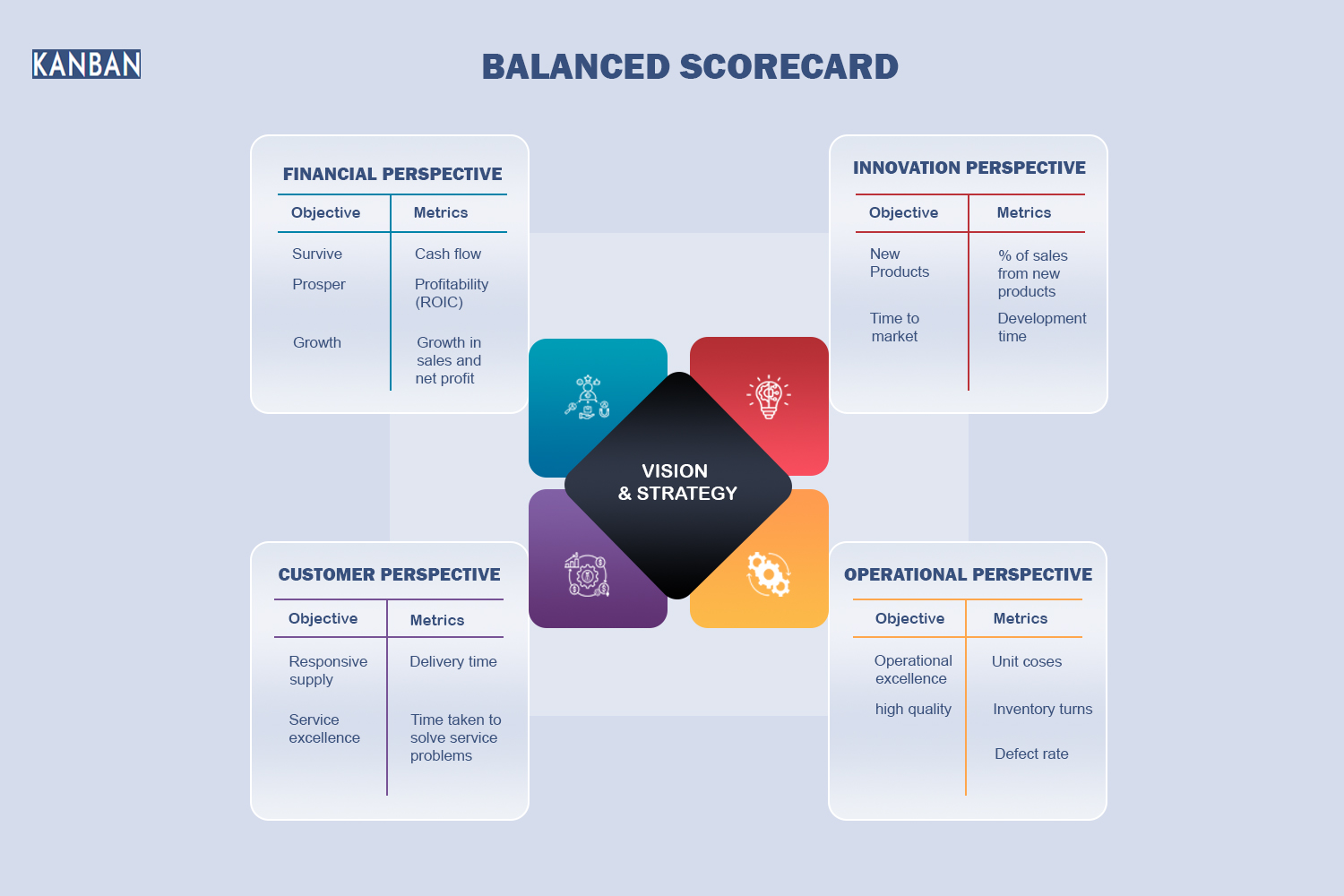
A digital balanced scorecard (BSC) is a strategic management tool that allows manufacturers to track and analyze performance metrics across key areas like finance, operations, customer satisfaction, and innovation. Unlike traditional scorecards that require manual updates and often provide only historical data, digital balanced scorecards integrate with enterprise systems in real time, offering up-to-the-minute insights. This digital integration enables manufacturers to make proactive decisions and react to changes swiftly, which is crucial in today’s fast-paced market.
Key Benefits of a Digital Balanced Scorecard for Manufacturers
1. Real-Time Performance Tracking
In manufacturing, delays in data updates can lead to inefficiencies, missed opportunities, and costly errors. A digital BSC allows managers and executives to monitor operations in real time, which is particularly valuable for production lines that depend on swift adjustments to stay on target. By integrating with systems such as enterprise resource planning (ERP) and manufacturing execution systems (MES), a digital BSC provides visibility into essential metrics like production output, cycle times, and quality levels, allowing immediate intervention if issues arise.
2. Enhanced Strategic Alignment
The balanced scorecard framework encourages a holistic approach to performance, ensuring that all departments contribute to the organization’s strategic objectives. By translating high-level goals into operational metrics, a digital BSC aligns the efforts of departments like production, quality control, supply chain, and customer service. This alignment promotes a cohesive strategy where everyone from the shop floor to the executive suite works towards the same goals, improving overall productivity and strategic coherence.
3. Data-Driven Decision-Making
With a digital BSC, manufacturers have access to comprehensive data analytics that reveal patterns and trends, allowing them to make informed decisions. Whether it’s adjusting production schedules based on demand forecasts or reallocating resources to reduce waste, data-driven decisions minimize risks and enhance efficiency. Real-time data visualization tools within a digital BSC provide actionable insights that can be quickly understood and acted upon, ensuring that decisions are timely and evidence-based.
4. Improved Quality and Compliance Tracking
Quality control is critical in manufacturing. A digital BSC can integrate with quality management systems (QMS) to monitor product quality metrics, identify defects, and ensure compliance with industry standards. By tracking quality KPIs, manufacturers can quickly address inconsistencies and improve processes, reducing waste and increasing customer satisfaction. For compliance, a digital BSC provides an audit trail, simplifying regulatory reporting and helping manufacturers maintain high standards without significant administrative burdens.
5. Enhanced Employee Engagement and Accountability
A digital BSC helps to make performance metrics visible at all levels of the organization, creating a culture of accountability and engagement. When employees see how their roles impact broader objectives, they’re more motivated to perform and contribute to the company’s success. The transparency provided by a digital BSC allows employees to track their progress, fosters a results-oriented mindset, and provides managers with the information needed for constructive feedback and coaching.
Key Components of an Effective Digital Balanced Scorecard for Manufacturing
To fully leverage the advantages of a digital balanced scorecard, manufacturers should focus on including key components and metrics that reflect their strategic goals. Here are some essential elements:
1. Financial Metrics
- Revenue Growth: Track revenue growth by product line or market segment to identify areas of high performance.
- Cost Management: Monitor production costs, overhead, and other operational expenses to manage profitability.
- Return on Assets (ROA): Evaluate how efficiently assets are being used to generate profit, a critical metric in capital-intensive industries like manufacturing.
2. Customer Metrics
- Customer Satisfaction: Measure customer satisfaction through post-delivery surveys and feedback systems to understand customer needs and expectations.
- On-Time Delivery: Track on-time delivery rates to ensure reliability and build customer trust.
- Complaint Resolution Time: Gauge how quickly customer complaints are resolved to measure responsiveness and service quality.
3. Internal Process Metrics
- Production Efficiency: Measure output against input to determine the efficiency of production processes.
- Cycle Time Reduction: Track reductions in cycle time to optimize production speed without sacrificing quality.
- Defect Rates: Monitor defect rates in products to assess quality control effectiveness and reduce rework.
4. Innovation and Learning Metrics
- Employee Training and Development: Track participation in training programs to ensure employees are equipped with the latest skills.
- Process Improvement Initiatives: Evaluate the success rate of process improvement initiatives aimed at boosting productivity and reducing waste.
- R&D Investment: Monitor the allocation of resources to research and development to ensure the company remains competitive and innovative.
Best Practices for Implementing a Digital Balanced Scorecard in Manufacturing
1. Customize for Relevance
It’s essential that the balanced scorecard reflects the unique needs of your manufacturing operations. Tailor the KPIs and performance metrics to suit the types of products, production methods, and customer expectations in your industry. This relevance ensures that the data gathered is actionable and aligns with strategic goals.
2. Integrate with Existing Systems
Integrating the digital BSC with existing systems such as ERP, MES, and QMS creates a seamless data flow across departments, minimizing duplication of effort and providing a single source of truth. This integration simplifies data collection, making the BSC more accurate and reliable for decision-making.
3. Involve Stakeholders at All Levels
To drive engagement and ensure accurate data collection, involve stakeholders from all levels of the organization in the BSC process. From executives defining strategic goals to shop-floor employees providing input on process efficiency, a participatory approach fosters buy-in and encourages accountability.
4. Focus on Continuous Improvement
Use the insights from the digital balanced scorecard to implement continuous improvement initiatives. For example, if defect rates are higher than desired, use root cause analysis to address underlying issues and monitor the results on the BSC. A focus on continuous improvement helps manufacturers remain competitive and responsive to market demands.
5. Regularly Review and Update KPIs
The manufacturing industry is dynamic, and goals may shift as market demands, technology, and organizational objectives evolve. Regularly review the KPIs in your digital BSC to ensure they remain aligned with your business objectives and provide meaningful insights.
The Best Digital Balanced Scorecard for Manufacturers
1. What is a digital balanced scorecard?
A digital balanced scorecard is a strategic management tool that allows manufacturers to monitor and analyze performance metrics across various areas, such as finance, operations, customer satisfaction, and innovation, using real-time data from integrated systems.
2. How does a digital balanced scorecard benefit manufacturers?
It provides real-time insights, enhances strategic alignment, supports data-driven decision-making, improves quality tracking, and fosters employee engagement and accountability.
3. What are key components of a digital balanced scorecard?
The key components include financial metrics, customer metrics, internal process metrics, and innovation and learning metrics, each designed to reflect strategic objectives.
4. What financial metrics should manufacturers track?
Manufacturers should track metrics such as revenue growth, cost management, and return on assets (ROA) to assess profitability and financial efficiency.
5. How can a digital balanced scorecard enhance customer satisfaction?
By tracking customer satisfaction metrics, on-time delivery rates, and complaint resolution times, manufacturers can identify areas for improvement and increase customer trust and loyalty.
6. What internal process metrics are important for manufacturing?
Important internal process metrics include production efficiency, cycle time reduction, and defect rates, which help identify opportunities for process improvements and cost savings.
7. How does a digital balanced scorecard support continuous improvement?
By providing real-time data and insights, a digital balanced scorecard allows manufacturers to quickly identify performance gaps and implement improvement initiatives, fostering a culture of continuous enhancement.
8. Can a digital balanced scorecard integrate with existing systems?
Yes, a digital balanced scorecard can integrate with existing systems such as ERP and MES to provide a seamless flow of data, improving accuracy and reducing manual data entry.
9. What role does employee engagement play in a digital balanced scorecard?
Employee engagement is critical as a digital balanced scorecard promotes transparency and accountability, allowing employees to see how their contributions impact overall performance and organizational goals.
10. How frequently should metrics be reviewed in a digital balanced scorecard?
Metrics should be reviewed regularly, ideally in real-time or at least on a monthly basis, to ensure that performance is tracked continuously and that necessary adjustments can be made promptly.
11. What challenges might manufacturers face when implementing a digital balanced scorecard?
Challenges include resistance to change, data integration issues, the need for training staff on new systems, and ensuring that the metrics chosen align with strategic objectives.
12. How can manufacturers ensure the success of their digital balanced scorecard?
Success can be ensured by customizing the scorecard to fit the organization’s specific needs, involving stakeholders at all levels, and committing to ongoing training and support.
13. What types of learning metrics are useful in a manufacturing environment?
Useful learning metrics include employee training participation rates, effectiveness of training programs, and the rate of skill development, which help ensure that employees are continually improving their capabilities.
14. How does a digital balanced scorecard contribute to better decision-making?
By providing access to accurate, real-time data and analytics, a digital balanced scorecard enables managers to make informed decisions that are aligned with strategic goals and market demands.
15. What is the future of digital balanced scorecards in manufacturing?
The future of digital balanced scorecards in manufacturing lies in the increased use of advanced analytics, artificial intelligence, and machine learning to provide deeper insights, predictive capabilities, and more personalized performance management.