What Is AI-Powered Balanced Scorecard Software and How It Works
Understanding AI-Powered Balanced Scorecard Software
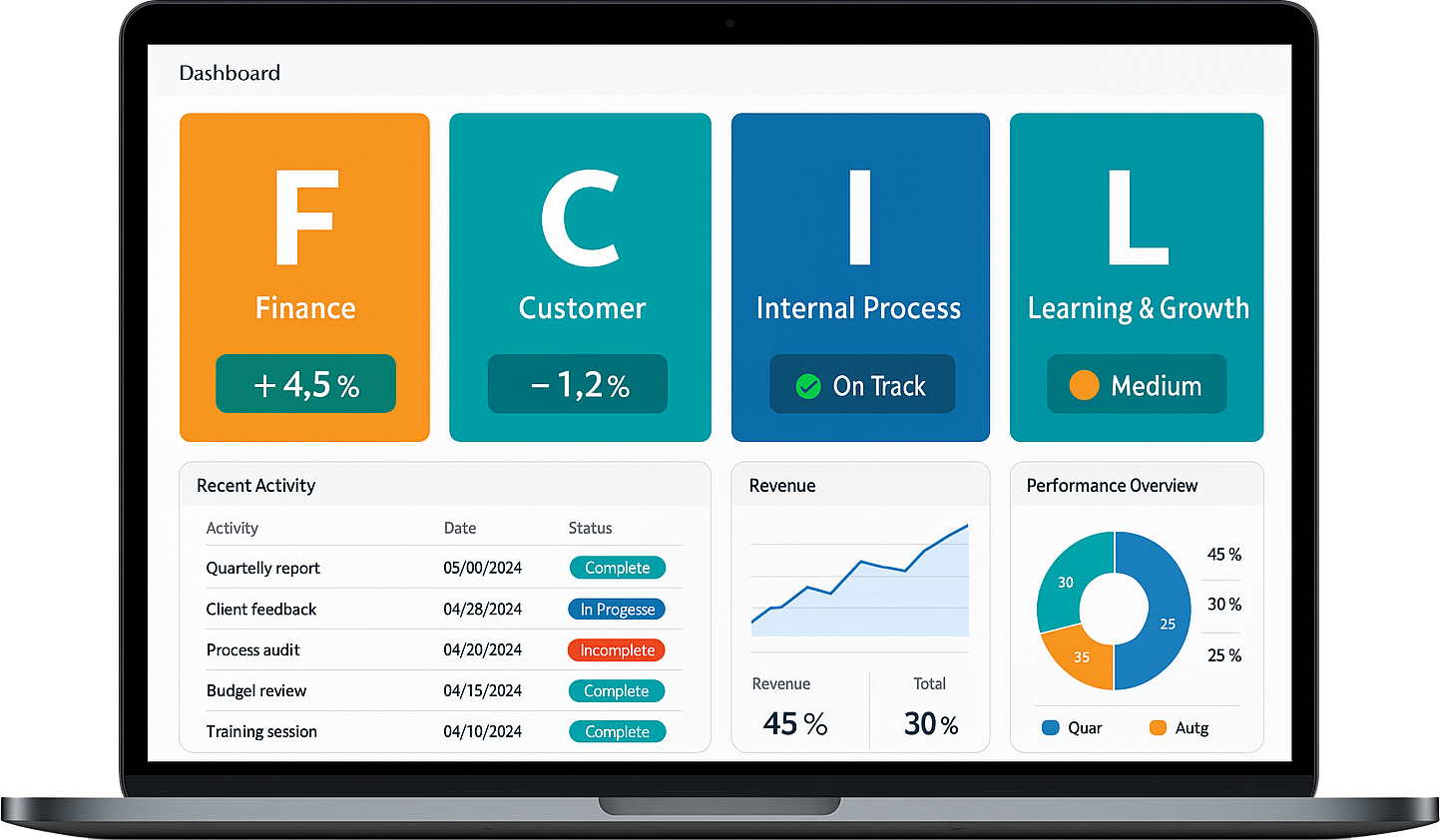
AI-powered balanced scorecard software is a strategic management tool that uses artificial intelligence to monitor and improve organisational performance. It combines traditional balanced scorecard principles with AI capabilities, allowing businesses to track key performance indicators (KPIs) across financial, customer, internal process, and learning and growth perspectives. This integration helps leaders make data-driven decisions, align resources with goals, and drive overall organisational success.
How the Software Works
The software collects data from various departments and systems, including operations, finance, and human resources. AI algorithms analyse this data in real time, identifying patterns, trends, and anomalies that might affect performance. It automatically updates KPIs, generates insights, and highlights areas where the organisation is excelling or falling short. This allows leaders to respond proactively rather than reactively.
Enhancing Strategic Planning
With AI-powered insights, managers can set realistic targets, prioritise initiatives, and allocate resources more effectively. Predictive analytics can forecast potential challenges before they arise, enabling organisations to mitigate risks and seize opportunities. Visual dashboards present the data in an easy-to-understand format, helping teams across all levels stay aligned with strategic objectives.
Driving Continuous Improvement
The software supports continuous improvement by tracking progress over time, suggesting optimisations, and ensuring that every department contributes to overall goals. By combining AI intelligence with balanced scorecard methodology, organisations can improve efficiency, enhance performance, and achieve long-term sustainable growth.
How AI Enhances Strategic Planning and Decision Making
Understanding AI in Strategic Planning
Artificial intelligence (AI) enhances strategic planning by analysing large volumes of data quickly and accurately. It identifies patterns, trends, and potential risks that may not be obvious through traditional analysis methods. This allows organisations to make informed decisions, set realistic goals, and allocate resources effectively to achieve strategic objectives.
Improving Forecasting and Scenario Analysis
AI tools can simulate different scenarios and predict potential outcomes, helping managers understand the impact of various strategies before implementation. By forecasting future performance based on historical data and current trends, organisations can anticipate challenges, reduce uncertainties, and prioritise initiatives that offer the highest value.
Supporting Data-Driven Decision Making
AI enhances decision making by providing real-time insights and actionable recommendations. Managers can quickly assess performance metrics, monitor progress against KPIs, and identify areas requiring immediate attention. This reduces reliance on intuition alone, ensuring decisions are backed by reliable data and improving the likelihood of successful outcomes.
Driving Continuous Improvement
AI also supports continuous improvement by tracking performance over time and identifying opportunities to optimise processes. Organisations can use these insights to refine strategies, adjust operations, and implement best practices. By integrating AI into strategic planning, companies can make smarter, faster, and more effective decisions that drive growth, efficiency, and long-term success.
Tracking KPIs Automatically with AI Insights
Understanding Automated KPI Tracking
Tracking key performance indicators (KPIs) is essential for monitoring organisational performance and achieving strategic goals. AI-powered tools automate this process, collecting data from multiple sources in real time and presenting it in an easily accessible format. This reduces manual work, improves accuracy, and ensures that performance is continuously monitored.
How AI Provides Actionable Insights
AI analyses KPI data to identify trends, anomalies, and patterns that might affect performance. It can highlight underperforming areas, forecast potential issues, and suggest corrective actions. By providing actionable insights, AI helps managers make informed decisions quickly, ensuring that operations remain aligned with organisational objectives.
Enhancing Efficiency and Accuracy
Automated KPI tracking eliminates the need for repetitive data entry and manual calculations, reducing the risk of errors. Teams can focus on interpreting insights and implementing improvements rather than gathering data. Real-time updates ensure that managers and employees always have access to the latest performance information.
Supporting Strategic Decision Making
By integrating AI insights with KPI tracking, organisations can monitor progress against goals, evaluate the impact of initiatives, and adjust strategies proactively. This approach enables data-driven decision making, improves accountability, and drives continuous improvement. Ultimately, automated KPI tracking with AI insights enhances operational efficiency, performance visibility, and long-term success.
Visualising Performance Across Financial, Customer, Internal, and Learning Perspectives
Understanding Performance Visualisation
Visualising performance across multiple perspectives helps organisations gain a comprehensive understanding of how well they are achieving their strategic goals. By focusing on financial, customer, internal process, and learning and growth areas, managers can make informed decisions and prioritise initiatives that drive success.
Financial Perspective
The financial perspective evaluates metrics such as revenue, profit margins, and cost efficiency. Visual dashboards allow teams to track these KPIs in real time, providing a clear view of the organisation’s financial health. Managers can quickly identify trends, detect anomalies, and implement strategies to improve profitability.
Customer Perspective
The customer perspective focuses on satisfaction, retention, and overall experience. Visualising customer-related metrics helps organisations understand how well they are meeting client expectations. By tracking feedback, service levels, and engagement, teams can make adjustments to enhance customer loyalty and improve service delivery.
Internal Processes and Learning Perspectives
Internal process metrics monitor efficiency, workflow, and quality standards. Visualisation tools highlight bottlenecks and areas for improvement. The learning and growth perspective tracks employee development, training, and innovation initiatives. Together, these perspectives provide insights into how well the organisation is optimising its operations and fostering continuous improvement.
Driving Informed Decisions
By visualising performance across these four perspectives, organisations gain a holistic view of their operations. This approach helps identify strengths and weaknesses, aligns teams with strategic objectives, and supports data-driven decision making. It ultimately enhances overall performance, productivity, and long-term growth.
How AI Helps Identify Gaps Between Strategy and Execution
Understanding the Strategy-Execution Gap
Many organisations struggle to align their strategic goals with day-to-day operations. A gap between strategy and execution can lead to missed targets, inefficient processes, and wasted resources. Identifying these gaps early is essential to ensure that plans translate into measurable results.
AI-Driven Analysis
Artificial intelligence helps bridge the strategy-execution gap by analysing large volumes of operational data in real time. AI algorithms can compare actual performance against strategic objectives, highlighting areas where outcomes fall short. This enables managers to pinpoint specific processes, departments, or tasks that are not aligned with organisational goals.
Providing Actionable Insights
AI tools generate actionable insights by identifying patterns, trends, and anomalies in data. Managers can quickly understand which initiatives are underperforming, which KPIs are off track, and where resources need to be adjusted. This information allows leaders to make timely, informed decisions to correct course and improve alignment.
Enhancing Strategic Alignment
By continuously monitoring performance and providing predictive analytics, AI supports a proactive approach to strategy execution. Teams can adjust workflows, reallocate resources, and prioritise tasks based on AI insights, ensuring that daily operations contribute effectively to strategic objectives. This alignment drives higher efficiency, accountability, and organisational success.
Predictive Analytics: Forecasting Performance Before Problems Arise
Understanding Predictive Analytics
Predictive analytics uses historical and real-time data to anticipate future outcomes. In a business or manufacturing context, it helps organisations forecast performance, identify potential issues, and make informed decisions before problems impact operations. By leveraging data-driven predictions, teams can act proactively rather than reactively.
How Predictive Analytics Works
Advanced algorithms analyse trends, patterns, and anomalies in operational data. These insights help predict equipment failures, workflow delays, or quality issues. By forecasting potential risks, predictive analytics enables managers to implement preventative measures, optimise resource allocation, and maintain smooth production processes.
Enhancing Decision-Making and Planning
Predictive analytics supports strategic and operational decision-making by providing foresight into potential challenges. Teams can adjust schedules, plan maintenance, and prioritise tasks based on predicted outcomes. This reduces downtime, minimises costs, and ensures that critical objectives are met consistently.
Driving Efficiency and Continuous Improvement
Using predictive insights allows organisations to enhance efficiency and drive continuous improvement. By anticipating issues before they occur, teams can maintain high performance levels, improve workflow, and reduce the likelihood of errors. Predictive analytics ensures that operations remain agile, productive, and aligned with long-term goals, creating a more resilient and effective organisation.
Aligning Team Objectives with Organisational Goals Using AI
Understanding Goal Alignment
Aligning team objectives with organisational goals ensures that every department and employee contributes effectively to the overall strategy. Misalignment can lead to wasted resources, duplicated efforts, and missed targets. Using AI, organisations can bridge this gap and create a clear line of sight between daily tasks and long-term objectives.
How AI Supports Alignment
AI analyses data from various departments to assess performance and track progress against organisational goals. It identifies areas where team efforts are not fully aligned and suggests adjustments to tasks, priorities, or resource allocation. This helps ensure that everyone is working towards the same outcomes and that strategic objectives are consistently supported.
Enhancing Collaboration and Communication
AI tools provide real-time insights and dashboards, making it easy for teams to see how their work impacts organisational goals. Transparent reporting encourages collaboration, improves communication across departments, and allows managers to quickly address misalignment. Teams gain a clear understanding of priorities, deadlines, and responsibilities.
Driving Productivity and Performance
By aligning team objectives with organisational goals, AI enables more focused efforts and optimised workflows. Teams can prioritise high-impact tasks, monitor their performance, and make data-driven decisions to stay on track. This approach enhances productivity, ensures accountability, and supports long-term success by keeping all activities in line with strategic priorities.
Real-Time Strategy Adjustments Based on AI Recommendations
Understanding Real-Time Strategy Adjustments
In fast-paced business environments, the ability to adjust strategies in real time is critical for maintaining competitiveness and achieving objectives. AI provides actionable recommendations by analysing operational, financial, and market data continuously, allowing organisations to respond quickly to emerging challenges and opportunities.
How AI Provides Recommendations
AI algorithms process large volumes of data to identify trends, anomalies, and potential risks. Based on these insights, the system generates recommendations for operational improvements, resource allocation, or strategic shifts. This ensures that decision-makers have the information needed to act promptly and effectively.
Enhancing Decision-Making and Responsiveness
Real-time AI insights enable managers to make informed decisions quickly, without waiting for end-of-day reports or manual analyses. Organisations can adjust workflows, reprioritise tasks, or reallocate resources based on AI suggestions. This responsiveness reduces delays, prevents bottlenecks, and keeps projects aligned with strategic objectives.
Driving Continuous Improvement
By implementing AI-based recommendations, organisations can continuously refine strategies and operations. Real-time adjustments help optimise performance, improve efficiency, and ensure that teams focus on high-impact activities. Over time, this approach strengthens overall agility, supports long-term growth, and enhances the organisation’s ability to meet evolving business demands effectively.
Integrating AI-Powered Scorecards with ERP and BI Systems
Understanding the Integration
Integrating AI-powered balanced scorecards with ERP and business intelligence (BI) systems creates a unified platform for monitoring and improving organisational performance. This connection allows data from various departments to flow seamlessly into the scorecard, providing real-time insights into key performance indicators and operational trends.
Benefits of Integration
By linking AI scorecards with ERP systems, organisations can automatically track financial, operational, and resource-related data. Integration with BI systems enhances data visualisation and reporting, enabling managers to gain a complete understanding of performance across departments. This eliminates manual data entry, reduces errors, and ensures that decision-makers have accurate and timely information.
Enhancing Strategic Decision-Making
Integrated AI scorecards provide actionable insights by analysing data from ERP and BI systems. Managers can identify trends, detect anomalies, and forecast potential risks. This allows for more informed strategic decisions, proactive adjustments, and prioritisation of initiatives that align with organisational goals.
Driving Efficiency and Accountability
The integration ensures that teams across the organisation can access relevant performance data in real time. It supports transparency, encourages accountability, and facilitates coordination between departments. By leveraging AI-powered insights from integrated systems, organisations can optimise workflows, enhance efficiency, and drive continuous improvement across all levels of operations.
How AI Improves Accountability and Transparency Across Teams
Understanding Accountability and Transparency
Accountability and transparency are essential for effective team performance. When responsibilities and progress are visible, team members are more likely to stay on track, complete tasks on time, and contribute to overall organisational goals. AI technologies help enhance these qualities by providing real-time insights and clear tracking mechanisms.
Real-Time Monitoring of Tasks
AI systems monitor tasks and workflows in real time, providing managers and team members with up-to-date information on task status, deadlines, and responsibilities. This visibility ensures that everyone knows who is accountable for each task, reducing misunderstandings and improving coordination across departments.
Data-Driven Insights
AI analyses performance data to identify trends, highlight potential issues, and suggest corrective actions. By making these insights available to all stakeholders, teams can make informed decisions, prioritise work effectively, and address gaps in performance. This data-driven approach promotes transparency and keeps everyone aligned with organisational objectives.
Enhancing Collaboration and Performance
AI-powered tools foster collaboration by ensuring that information is accessible and responsibilities are clear. Team members can see how their work impacts overall goals, while managers can monitor progress and provide timely support. This approach not only improves accountability but also boosts efficiency, encourages proactive problem-solving, and strengthens trust within the team.
Customising Scorecards with AI-Driven Prioritisation of Initiatives
Understanding AI-Driven Scorecards
AI-driven scorecards combine traditional balanced scorecard methodology with artificial intelligence to provide customised performance tracking. Organisations can tailor these scorecards to reflect their specific objectives, key performance indicators (KPIs), and strategic priorities, ensuring that every initiative is aligned with overall business goals.
Prioritising Initiatives Effectively
AI analyses historical data, current performance, and potential risks to rank initiatives based on their impact and urgency. This prioritisation helps managers focus resources on high-value projects, address critical challenges first, and make informed decisions about which initiatives will deliver the greatest benefit to the organisation.
Enhancing Strategic Alignment
Customised scorecards provide a clear visual representation of priorities across departments. Teams can see how their work contributes to key organisational objectives, improving alignment and coordination. AI insights ensure that the most important initiatives receive attention while lower-impact tasks are managed efficiently, reducing wasted effort.
Driving Continuous Improvement
By combining AI-driven prioritisation with customised scorecards, organisations can monitor progress in real time and adjust strategies as needed. This approach supports continuous improvement, encourages accountability, and ensures that resources are deployed where they can achieve maximum impact. Over time, it strengthens performance, enhances efficiency, and drives long-term organisational success.
Using AI to Detect Trends and Optimise Business Processes
Understanding Trend Detection with AI
Artificial intelligence (AI) helps organisations detect trends by analysing large volumes of data from multiple sources. By identifying patterns and changes in performance metrics, AI enables businesses to understand market behaviour, customer preferences, and operational efficiency. Early detection of trends allows managers to make proactive decisions and stay ahead of potential challenges.
Optimising Business Processes
AI not only detects trends but also recommends improvements to business processes. By analysing workflow efficiency, resource utilisation, and task performance, AI highlights areas where processes can be streamlined, bottlenecks reduced, and productivity increased. This ensures that operations remain agile, efficient, and responsive to evolving business needs.
Supporting Data-Driven Decision Making
AI provides actionable insights based on real-time and historical data, enabling managers to make informed decisions. Trend analysis can guide resource allocation, prioritisation of initiatives, and process adjustments. Teams gain a clear understanding of which actions have the greatest impact on performance and how to implement improvements effectively.
Driving Continuous Improvement
By integrating AI into business operations, organisations can continuously monitor processes, track outcomes, and refine strategies based on trend analysis. This approach supports ongoing optimisation, reduces inefficiencies, and ensures that business processes evolve with changing demands. Overall, AI enhances performance, strengthens decision-making, and promotes sustainable growth.
How AI Helps Streamline Review and Reporting Cycles
Understanding Review and Reporting Challenges
Traditional review and reporting processes can be time-consuming and prone to errors. Gathering data from multiple sources, analysing it, and producing actionable reports often delays decision-making and reduces operational efficiency. AI technologies help streamline these cycles, making them faster, more accurate, and more effective.
Automating Data Collection and Analysis
AI automates the collection and analysis of data from various systems, eliminating the need for manual input. It processes large datasets in real time, identifies patterns, and highlights key insights. This automation ensures that managers have timely and accurate information for reviews, reducing delays and enabling faster decision-making.
Enhancing Reporting Accuracy and Clarity
AI tools generate clear and concise reports that highlight critical metrics, trends, and performance gaps. Customisable dashboards allow stakeholders to visualise data in an intuitive format, making it easier to understand results and track progress. This transparency improves accountability and ensures that teams stay aligned with organisational goals.
Supporting Continuous Improvement
By streamlining review and reporting cycles, AI allows organisations to conduct frequent, data-driven evaluations of performance. Managers can quickly identify areas for improvement, implement corrective actions, and monitor results over time. This approach not only enhances operational efficiency but also promotes continuous improvement, enabling organisations to remain agile, competitive, and well-informed in their decision-making processes.
Case Studies: Organisations Achieving Strategic Success with AI-Powered BSC
Improving Operational Efficiency
One organisation implemented AI-powered balanced scorecards to monitor performance across multiple departments. By analysing real-time data, the company identified inefficiencies in production and workflow. Using AI insights, managers were able to prioritise key initiatives, reallocate resources, and streamline processes, resulting in improved operational efficiency and faster achievement of strategic objectives.
Enhancing Financial Performance
Another organisation leveraged AI-powered BSC to track financial KPIs such as revenue, profit margins, and cost management. The system automatically highlighted trends and deviations from targets, enabling the management team to take corrective actions promptly. This proactive approach helped the company maintain strong financial performance and align budget allocation with strategic priorities.
Driving Customer Satisfaction
In a separate case, AI-powered scorecards provided insights into customer satisfaction and engagement metrics. By monitoring feedback and service levels in real time, the organisation could quickly address issues, improve service quality, and strengthen customer relationships. The result was higher customer satisfaction and improved retention, contributing directly to strategic success.
Supporting Continuous Improvement
Across these examples, AI-powered balanced scorecards enabled organisations to track performance against strategic goals, detect gaps, and implement improvements efficiently. By combining data-driven insights with clear visualisation, teams were able to stay aligned, make informed decisions, and continuously refine strategies. This approach ensured sustained growth, operational excellence, and long-term strategic success.
Future of Strategic Management: AI and Balanced Scorecard Software Working Together
Understanding the Integration
The combination of artificial intelligence (AI) and balanced scorecard software is shaping the future of strategic management. This integration allows organisations to monitor performance, align initiatives with goals, and make data-driven decisions more efficiently than ever before. AI enhances traditional scorecards by providing predictive insights and real-time analysis across financial, customer, internal, and learning perspectives.
Enhancing Strategic Planning
AI-powered scorecards support strategic planning by analysing historical and current data to identify trends, opportunities, and risks. Organisations can forecast performance, prioritise initiatives, and allocate resources effectively. This proactive approach ensures that strategies remain aligned with business objectives and respond to changing market conditions.
Improving Decision-Making and Accountability
With AI integration, managers gain access to real-time insights and actionable recommendations. Teams can track progress against key performance indicators, adjust workflows, and focus on high-impact tasks. Transparency and accountability are enhanced, as every department can see how their work contributes to overall goals.
Driving Continuous Improvement
The combined power of AI and Balanced Scorecard Software promotes continuous improvement by highlighting gaps between strategy and execution. Organisations can implement corrective actions quickly, optimise processes, and refine strategies over time. This synergy creates a more agile, efficient, and performance-driven organisation, ready to meet future challenges and achieve long-term success.