Why AI-Driven T Card Software Fails — And How to Get It Right
Common Reasons Behind AI T Card System Failure
AI-Driven T Card Software can fail not because the technology itself is ineffective, but because organisations may not be fully prepared to implement it within their operational workflows. One common mistake is adopting AI-powered task management tools without first defining clear processes for scheduling, task allocation, and resource management. Without structured workflows, AI dashboards simply display information rather than delivering actionable insights. Poor task categorisation and unclear priorities can also weaken the system’s effectiveness, as AI algorithms rely on well-structured data to optimise assignments and scheduling. Another major factor is limited leadership involvement, which often reduces user adoption and prevents teams from fully benefiting from AI-driven workflow optimisation.
Aligning AI with Real Operational Needs
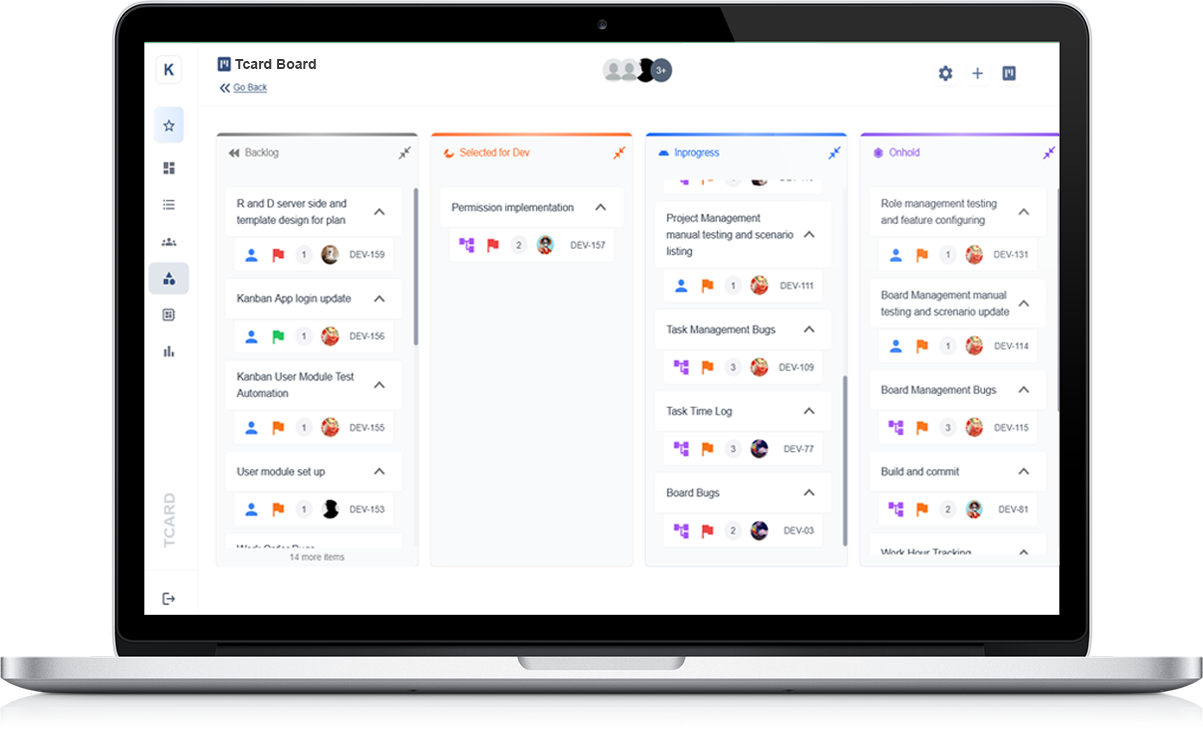
To implement AI-Driven T Card Software successfully, organisations must ensure the platform reflects their actual operational priorities. This begins with clearly defined processes for task planning, workforce allocation, and project scheduling. Once these foundations are in place, AI can analyse historical work patterns, team availability, and task dependencies to optimise schedules and improve efficiency. When tasks, resources, and priorities are clearly structured within the system, AI-powered insights become far more accurate and useful for operational decision-making.
Using AI to Strengthen Team Coordination
AI-powered T Card boards are most effective when every team understands how their tasks contribute to overall operational goals. By involving supervisors, team leaders, and operational managers early in the implementation process, organisations encourage ownership and accountability. AI-driven dashboards provide real-time visibility into task assignments, work progress, and resource utilisation. This transparency helps teams coordinate workloads more effectively, avoid scheduling conflicts, and maintain smooth operational workflows.
Ensuring Long-Term Adoption with Intelligent Workflow Insights
Long-term success with AI-Driven T Card Software depends on continuous training, system optimisation, and user engagement. Employees should be trained to interpret AI-generated scheduling suggestions, workload alerts, and performance insights. Automated notifications, predictive scheduling, and intuitive digital T Card boards keep the platform relevant to everyday operations. With strong leadership support, well-defined workflows, and active team participation, AI-powered T Card systems can significantly improve productivity, reduce operational bottlenecks, and streamline task management across the organisation.
Building a Clear AI-Powered Task Planning Strategy Before Implementing T Card Software
Why Task Planning Must Come First
Before implementing an AI-Driven T Card Software, organisations should first develop a structured task planning strategy. Without clearly defined workflows and responsibilities, AI tools may only display tasks rather than improving efficiency. A structured planning framework allows managers to define priorities, assign responsibilities, and establish workflow stages. When this foundation is created before implementation, AI algorithms can analyse operational data more accurately. This preparation ensures that the system supports productivity, coordination, and better task visibility across teams.
Creating an Operational Vision Supported by Data
A strong task planning strategy begins with a clear operational vision that defines productivity goals and service expectations. AI tools can analyse historical task data, workload patterns, and resource availability to support more effective planning decisions. This combination of human insight and AI analysis helps organisations build realistic schedules and improve resource utilisation. By identifying trends in operational performance, AI can help managers allocate tasks more effectively. A clear vision ensures that the T Card system aligns with long-term organisational objectives.
Structuring Workflows for AI Optimisation
AI-powered T Card systems perform best when workflows are organised and clearly structured. Tasks should be categorised according to priority, department, or project phase so AI models can analyse dependencies and workload patterns. Structured workflows also help teams understand how tasks move through operational processes. AI systems can then monitor progress and identify bottlenecks that may slow down productivity. With well-defined workflows, organisations can maximise the efficiency of AI-based task management systems.
Preparing Teams for AI-Assisted Task Management
Employees should understand how AI-powered planning supports their daily responsibilities before the system is fully implemented. Training sessions can introduce staff to task boards, automated scheduling suggestions, and real-time notifications. When teams understand how AI improves workflow visibility and coordination, they are more likely to use the platform consistently. Clear communication also reduces resistance to new technologies and improves adoption. Well-prepared teams help organisations gain maximum value from AI-powered T Card solutions.
Getting Leadership Buy-In for AI-Driven Workforce and Task Management
Why Leadership Support Is Critical
Leadership commitment is essential for the successful adoption of AI-powered workflow tools. When executives actively support AI-Driven T Card Software, it signals that the platform is an important operational system rather than a simple scheduling tool. Visible leadership involvement also helps ensure the system aligns with organisational goals. Employees are more likely to adopt the platform when senior management consistently uses it in decision-making. Strong leadership support encourages organisation-wide participation and long-term success.
Communicating the Operational Benefits of AI
Executives are more likely to support AI systems when the benefits are clearly explained. AI-powered task boards provide predictive scheduling insights, identify potential delays, and improve resource allocation. These capabilities allow organisations to reduce downtime and increase productivity. Demonstrating these benefits through practical examples helps leaders understand the strategic value of the system. When leadership recognises the operational advantages, they become stronger advocates for implementation.
Involving Leaders in Workflow Design
Involving leaders in the design phase helps ensure that the T Card system reflects real operational priorities. Managers can define workflow rules, task priorities, and performance expectations. This collaboration ensures that the platform supports daily operational requirements. Leaders also gain a better understanding of the system’s capabilities through active participation. Their involvement strengthens long-term commitment to the platform.
Encouraging Organisation-Wide Adoption
When leaders regularly use AI dashboards during operational reviews and team meetings, employees see the system as a core business tool. This behaviour encourages teams to rely on the platform for scheduling and coordination. Leadership engagement also helps establish consistent processes across departments. Over time, these practices strengthen adoption and increase operational transparency. As usage grows, organisations benefit from improved workflow efficiency.
Using AI to Align Teams and Resources with Operational Priorities
Creating Organisation-Wide Workflow Alignment
AI-powered task boards help organisations align teams by providing a shared view of tasks, priorities, and workloads. This transparency improves coordination and reduces confusion about responsibilities. When every team can see operational priorities, collaboration becomes easier. AI systems can also highlight overlapping tasks or resource conflicts. This visibility ensures teams focus on the most important work activities.
Connecting Tasks to Operational Objectives
AI-driven systems link individual tasks to broader operational objectives, helping employees understand the impact of their work. This connection improves accountability and motivation across teams. Managers can monitor how tasks contribute to productivity and service delivery. AI analysis also helps identify areas where additional resources may be required. Aligning tasks with objectives ensures efficient workflow management.
Improving Collaboration Through Shared Insights
Real-time dashboards provide shared insights that improve communication between departments. Teams can monitor task progress, identify dependencies, and coordinate activities more effectively. When everyone works from the same information, misunderstandings decrease. AI systems also highlight delays and potential risks. These insights allow teams to collaborate more proactively.
Ensuring Consistent Workflow Execution
AI systems continuously monitor operational data and identify deviations from planned schedules. Managers can quickly adjust workloads and resolve bottlenecks before they affect productivity. Consistent monitoring ensures that workflows remain aligned with organisational priorities. Teams benefit from clearer direction and improved coordination. Over time, this leads to stronger operational performance.
Setting Smart Task Allocation Rules with AI for Efficient Workflow Management
The Importance of Intelligent Task Allocation
Efficient task allocation is essential for maintaining balanced workloads and improving productivity. AI-powered systems analyse employee availability, workload capacity, and skill sets to assign tasks more effectively. This automation reduces manual scheduling efforts and improves accuracy. Managers gain better visibility into resource utilisation. Intelligent allocation ensures that tasks are completed efficiently.
Matching Tasks with the Right Resources
AI-driven scheduling systems match tasks with employees who have the appropriate skills and availability. This approach improves work quality and reduces delays caused by misallocated tasks. Teams also benefit from clearer responsibilities and better coordination. By analysing past performance data, AI can recommend the most suitable resource for each task. This improves overall workflow efficiency.
Simplifying Task Assignment Processes
Even with advanced AI capabilities, task allocation processes should remain simple and transparent. Employees should understand how tasks are assigned and why scheduling decisions are made. Clear assignment rules help build trust in the system. Simplified workflows also reduce confusion and improve collaboration. When processes are easy to follow, adoption becomes easier.
Making Task Management Predictive
AI-powered analytics allow organisations to forecast workload peaks and potential scheduling conflicts. Managers can adjust assignments before delays occur. Predictive planning improves efficiency and helps maintain consistent productivity levels. Teams can prepare for busy periods more effectively. This proactive approach ensures smoother workflow management.
Training Teams to Use AI-Driven T Card Systems Effectively
Preparing Employees for AI-Powered Workflow Tools
Introducing AI-driven task management systems requires structured training programs for employees. Teams must understand how to create task cards, update statuses, and interpret AI suggestions. Clear training helps staff feel confident using the system in their daily work. This confidence increases adoption and reduces operational errors. Proper preparation ensures successful system implementation.
Providing Practical Learning Opportunities
Training should focus on real workflow examples so employees can practice using the system effectively. Demonstrations of task scheduling, board updates, and automated notifications help employees understand the platform. Practical learning ensures that teams can immediately apply their knowledge. Hands-on experience also improves engagement. This approach accelerates system adoption.
Encouraging Consistent System Usage
Consistency is essential for generating accurate AI insights. Organisations should create clear guidelines for updating tasks and managing workflows. When all teams follow the same process, data quality improves significantly. Consistent usage also makes scheduling insights more reliable. This strengthens decision-making across the organisation.
Supporting Continuous Learning
AI systems evolve over time with new features and capabilities. Ongoing training ensures employees stay comfortable with updates and improvements. Refresher sessions and support materials help teams maintain confidence in using the system. Continuous learning also improves long-term adoption. Organisations that invest in training gain greater value from their AI tools.
Integrating AI-Driven T Card Software with Existing Business Systems
Building a Connected Workflow Ecosystem
Integrating AI-driven T Card systems with ERP, CRM, and operational platforms creates a connected workflow ecosystem. Data can move automatically between systems, improving accuracy and efficiency. This integration eliminates the need for manual updates. Teams gain a unified view of operations and task progress. A connected system supports better operational planning.
Enabling Real-Time Operational Data
When systems are connected, AI can analyse real-time operational data and provide immediate insights. Managers gain visibility into workload changes, task delays, and resource availability. This helps them respond quickly to operational challenges. Real-time information improves decision-making speed. Organisations benefit from greater agility.
Reducing Manual Work
Automation significantly reduces the need for repetitive data entry tasks. Employees can focus on analysing results and improving processes rather than updating spreadsheets. Automation also minimises human errors. AI systems maintain accurate task records automatically. This increases operational efficiency.
Linking Operations with Planning
System integration ensures that daily operational activities feed directly into scheduling and planning dashboards. Managers can track performance without switching between multiple tools. This connectivity strengthens operational oversight. Teams benefit from better coordination and information sharing. Integrated systems create smoother workflows.
Creating a Culture of AI-Powered Operational Efficiency
Encouraging Transparency in Workflows
AI dashboards provide clear visibility into tasks, workloads, and operational progress. Employees can see how their work fits within the overall workflow. This transparency reduces confusion and improves accountability. Teams become more aware of organisational priorities. Open visibility encourages better collaboration.
Promoting Collaborative Work Practices
Shared task boards enable teams to collaborate more effectively. Employees can monitor project progress and support colleagues when needed. AI insights also highlight dependencies between tasks. This encourages proactive communication between departments. Collaboration improves overall productivity.
Building a Productivity-Focused Mindset
When employees rely on data-driven insights, decision-making becomes more accurate. AI analysis helps teams identify inefficiencies and improve performance. A productivity-focused culture develops as teams regularly review workflow data. Employees begin to prioritise efficiency and results. This mindset strengthens operational performance.
Embedding AI into Daily Operations
Regular use of AI-powered tools ensures that insights become part of everyday work processes. Teams consult dashboards during planning meetings and operational reviews. This habit reinforces the value of data-driven decision-making. Over time, AI becomes a natural part of workflow management. Organisations achieve sustained efficiency improvements.
Using AI-Enabled Workflow Reviews to Keep Operations on Track
Why Workflow Reviews Matter
Regular workflow reviews help organisations maintain efficiency and identify operational improvements. AI-powered systems analyse task completion data and highlight performance trends. Managers can identify areas where processes need adjustment. Frequent reviews keep teams aligned with operational priorities. This approach prevents small issues from becoming major problems.
Automating Operational Reviews
AI systems can generate automated performance summaries and progress reports. These insights help managers understand workload distribution and task completion rates. Automation reduces the time needed for manual analysis. Leaders gain faster access to operational insights. This improves strategic planning.
Encouraging Team Participation
Including employees in workflow reviews encourages accountability and engagement. Teams can discuss challenges and propose improvements based on AI insights. This collaborative approach strengthens operational performance. Employees feel more involved in decision-making. Participation improves morale and productivity.
Turning Insights into Action
AI-generated insights help managers implement improvements quickly. Scheduling adjustments and process improvements can be made immediately. Teams can respond to issues before they affect productivity. Continuous improvement becomes part of daily operations. Organisations benefit from more efficient workflows.
How AI Improves Task Communication and Team Coordination
Simplifying Task Communication
AI-powered task boards present information visually, making assignments easier to understand. Employees can quickly see priorities, deadlines, and responsibilities. Clear communication reduces confusion about who is responsible for each task. Visual dashboards simplify complex workflows. This clarity improves coordination across teams.
Using Automated Notifications
AI systems automatically send notifications when tasks are updated, reassigned, or delayed. These alerts keep employees informed without requiring manual communication. Real-time notifications help teams respond quickly to changes. This improves operational responsiveness. Automated updates enhance workflow efficiency.
Connecting Tasks with Team Collaboration
Shared digital boards allow employees to collaborate on tasks and track progress together. Team members can easily coordinate schedules and manage dependencies. AI insights highlight potential conflicts between tasks. This allows teams to resolve issues early. Collaboration becomes more efficient.
Supporting Continuous Feedback
Interactive dashboards allow employees to provide feedback on workflows and task management practices. Managers can use this feedback to improve scheduling processes. Continuous communication strengthens teamwork. AI insights help highlight areas for improvement. Feedback-driven improvements enhance operational efficiency.
Using AI-Powered Real-Time T Card Boards to Monitor Work Progress
Instant Visibility into Work Progress
AI-powered T Card boards provide instant updates on task status and team workloads. Managers can monitor progress without waiting for manual reports. This real-time visibility improves operational oversight. Teams can quickly identify delays and adjust priorities. Immediate insights support faster decision-making.
Predicting Workflow Delays
AI analytics analyse task completion patterns and detect potential workflow delays. Managers receive early warnings about scheduling issues. This predictive capability allows teams to respond before productivity is affected. Proactive adjustments maintain workflow stability. Predictive insights improve planning accuracy.
Supporting Team Collaboration
Shared dashboards ensure that every team member works with the same information. Collaboration becomes easier because everyone understands task progress. AI tools highlight dependencies and potential conflicts. Teams can coordinate their work more effectively. This improves project outcomes.
Accelerating Operational Decisions
Immediate access to operational data allows managers to make faster decisions. AI insights help prioritise tasks and allocate resources effectively. Quick responses prevent delays and improve productivity. Teams gain confidence in data-driven decisions. Real-time boards enhance operational efficiency.
Avoiding Common Mistakes When Implementing AI-Driven T Card Systems
Defining Clear Workflow Processes
One of the most common mistakes when implementing AI-powered task systems is failing to define clear workflows. Without structured processes, the system may not deliver meaningful insights. Organisations should document task flows and responsibilities before implementation. Clear workflows help AI analyse operational data more effectively. Preparation improves implementation success.
Choosing the Right Task Metrics
AI systems rely on meaningful operational data to generate useful insights. Selecting the wrong metrics can lead to misleading conclusions. Organisations should focus on indicators that reflect productivity and efficiency. Relevant metrics improve decision-making accuracy. Proper measurement supports better workflow management.
Engaging Teams Early
Employee involvement is essential during system implementation. Teams should be consulted when designing workflows and task structures. Their input ensures the system reflects real working conditions. Early engagement also increases adoption and trust. Collaborative implementation improves results.
Maintaining Flexibility
Operational needs evolve over time, and workflow systems must adapt accordingly. AI-powered T Card boards should be flexible enough to support new processes. Regular reviews ensure the system remains relevant. Adaptability helps organisations respond to changing business requirements. Flexible systems provide long-term value.
Ensuring Data Accuracy with AI for Reliable Task Management
Why Accurate Task Data Matters
AI insights are only as reliable as the data used to generate them. Inaccurate task information can lead to poor scheduling decisions. Organisations should establish clear guidelines for updating task statuses. Accurate data ensures that AI recommendations remain reliable. This improves workflow planning.
Automating Data Collection
AI systems can automatically capture operational data from connected platforms. This automation reduces manual entry and minimises errors. Teams spend less time updating information and more time completing tasks. Automated data collection improves accuracy. Reliable data strengthens operational insights.
Monitoring Data Quality
Regular validation processes help maintain high-quality operational data. AI tools can detect inconsistencies or missing information. Managers can quickly correct these issues. Consistent monitoring ensures reliable task management. Data quality remains high across the system.
Training Teams on Data Responsibility
Employees should understand the importance of accurate data updates. Training programs can emphasise proper task reporting practices. Responsible data entry supports reliable AI analysis. Teams learn how their updates affect scheduling decisions. This improves overall workflow efficiency.
Tracking User Adoption and Workflow Efficiency with AI Insights
Measuring System Usage
AI analytics can monitor how frequently employees access task boards and update assignments. Usage metrics help managers understand adoption levels across departments. High engagement indicates successful implementation. Low usage may reveal training gaps. Tracking usage supports continuous improvement.
Identifying Engagement Patterns
Data analysis reveals patterns in how teams interact with the system. Managers can identify which departments use the platform most effectively. These insights help highlight best practices. Other teams can adopt similar approaches. Engagement patterns guide improvement strategies.
Removing Adoption Barriers
Usage insights may reveal obstacles such as complex workflows or insufficient training. Addressing these issues helps improve user experience. Simplified processes encourage consistent participation. Removing barriers strengthens system adoption. Organisations benefit from more reliable operational data.
Encouraging Active Participation
Leadership recognition and encouragement can motivate employees to use the system regularly. Celebrating teams that maintain accurate task boards reinforces positive behaviour. Consistent engagement ensures reliable AI insights. Active participation strengthens workflow visibility. This improves operational coordination.
Measuring ROI: How AI-Driven T Card Software Improves Operational Productivity
Understanding the Value of AI Workflow Tools
AI-Driven T Card Software enhances traditional task boards by adding predictive insights and automated scheduling capabilities. Organisations gain greater visibility into operational performance. AI analysis helps identify inefficiencies and optimise resource allocation. These improvements lead to better productivity. AI-powered systems provide measurable operational benefits.
Tracking Measurable Improvements
Return on investment can be measured through improved task completion rates and reduced delays. AI scheduling helps teams manage workloads more efficiently. Organisations also benefit from reduced manual coordination efforts. These improvements translate into cost savings and productivity gains. Measurable outcomes demonstrate the system’s value.
Strengthening Operational Alignment
AI-driven systems help teams stay aligned with operational priorities and workload targets. Managers can ensure tasks support business objectives. Clear alignment improves coordination between departments. Teams understand how their work contributes to organisational performance. This strengthens operational effectiveness.
Demonstrating Long-Term Benefits
Over time, AI-powered workflow management leads to improved resource utilisation and faster decision-making. Organisations can respond more quickly to operational challenges. Continuous optimisation increases competitiveness. Long-term efficiency improvements justify the investment in AI technology. This makes AI-powered T Card systems a valuable operational asset.