In today’s fast-paced business environment, organizations are constantly seeking ways to improve their strategic planning and performance management. The Digital Balanced Scorecard System (DBSC) has emerged as a vital tool that integrates traditional performance measurement with modern digital capabilities.
Understanding the Digital Balanced Scorecard System
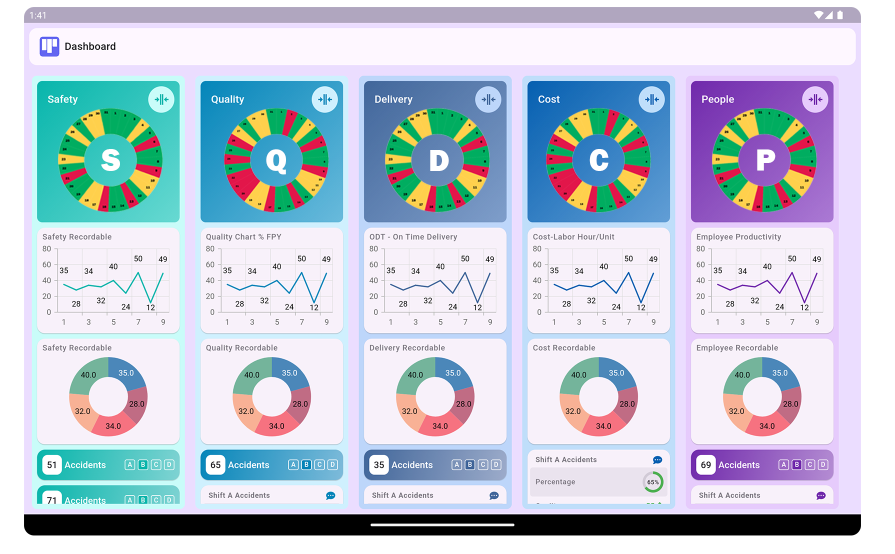
The Digital Balanced Scorecard System builds upon the foundation of the traditional Balanced Scorecard by incorporating digital technologies and real-time data analytics. It provides a comprehensive framework that enables organizations to monitor their performance across multiple dimensions, aligning their strategic objectives with operational activities.
Key Components of the Digital Balanced Scorecard System (DBSC)
- Financial Metrics: Traditional financial metrics remain crucial. The DBSC enhances these metrics by providing real-time insights into revenue, costs, and profitability. This allows organizations to make timely adjustments based on current financial performance.
- Customer Perspectives: Understanding customer satisfaction and engagement is critical for success. The DBSC leverages digital tools to gather feedback, analyze customer data, and track satisfaction levels, helping organizations tailor their offerings to meet customer needs.
- Internal Processes: The DBSC emphasizes the importance of internal efficiency. Organizations can use digital analytics to identify bottlenecks, streamline processes, and enhance operational efficiency. This focus on internal processes helps improve productivity and reduce costs.
- Learning and Growth: The DBSC promotes a culture of continuous improvement by measuring employee engagement, training effectiveness, and innovation. Organizations that invest in learning and development are better positioned to adapt to market changes and drive long-term success.
The Importance of Digital Balanced Scorecard System (DBSC) in Modern Organizations
Enhanced Strategic Alignment
One of the primary advantages of the DBSC is its ability to align organizational strategies with day-to-day operations. By defining clear objectives and relevant Key Performance Indicators (KPIs), organizations can ensure that all team members understand their roles in achieving strategic goals. This alignment fosters accountability and drives performance across the organization.
Real-Time Data Insights
The DBSC harnesses the power of digital technology to provide real-time insights into performance metrics. Traditional performance measurement systems often rely on historical data, which can lead to delayed decision-making. In contrast, the Digital Balanced Scorecard System (DBSC) enables organizations to track performance in real-time, allowing for proactive adjustments to strategies and initiatives.
Improved Decision-Making
Access to accurate and timely data empowers leaders to make informed decisions. The Digital Balanced Scorecard System (DBSC) provides a holistic view of organizational performance, enabling executives to identify trends, analyze data, and make strategic choices that drive growth and success. This data-driven approach minimizes guesswork and enhances overall effectiveness.
Increased Agility
In a rapidly changing business landscape, agility is essential for survival. The Digital Balanced Scorecard System (DBSC) allows organizations to respond quickly to market shifts, customer demands, and internal challenges. By continuously monitoring performance and adjusting strategies accordingly, organizations can stay ahead of the competition and seize new opportunities.
Fostering a Culture of Continuous Improvement
The Digital Balanced Scorecard System (DBSC) promotes a culture of continuous improvement by encouraging regular performance reviews and feedback loops. Organizations can identify areas for enhancement and implement necessary changes. This commitment to improvement not only boosts efficiency but also enhances employee morale and engagement.
Implementing a Digital Balanced Scorecard System
Step 1: Define Strategic Objectives
The first step in implementing a DBSC is to define clear and measurable strategic objectives. These objectives should align with the organization's vision and mission, providing a roadmap for success.
Step 2: Identify Key Performance Indicators (KPIs)
Once strategic objectives are established, organizations must identify relevant KPIs that will help measure progress. KPIs should be specific, measurable, achievable, relevant, and time-bound (SMART) to ensure effectiveness.
Step 3: Select Digital Tools and Technologies
Choosing the right digital tools is crucial for successful implementation. Organizations should invest in business intelligence platforms, analytics software, and performance management solutions that facilitate data collection and analysis.
Step 4: Engage Stakeholders
Engaging stakeholders throughout the implementation process is essential. This includes communicating the benefits of the DBSC, providing training, and fostering a sense of ownership among employees.
Step 5: Monitor and Adjust
Finally, organizations must establish a process for regularly reviewing performance metrics and adjusting strategies as needed. Continuous monitoring allows organizations to remain agile and responsive to changing circumstances.
Conclusion
The Digital Balanced Scorecard System (DBSC) is a transformative tool that empowers organizations to enhance their strategic planning and performance management processes. By integrating digital capabilities with traditional performance measurement, the DBSC provides real-time insights, fosters strategic alignment, and drives continuous improvement. In an increasingly competitive landscape, organizations that adopt the DBSC will be better equipped to navigate challenges, seize opportunities, and achieve long-term success.
1. What is the Digital Balanced Scorecard System (DBSC)?
The DBSC is an advanced management tool that integrates digital technology into the traditional Balanced Scorecard framework to enhance strategic planning and performance management.
2. How does the Digital Balanced Scorecard System (DBSC) differ from the traditional Balanced Scorecard?
While the traditional Balanced Scorecard focuses on measuring performance through financial and non-financial metrics, the DBSC incorporates real-time data analytics and digital tools for immediate insights.
3. What are the key components of a DBSC?
A Digital Balanced Scorecard System (DBSC) typically includes financial metrics, customer satisfaction, internal process efficiency, and learning and growth perspectives, enhanced by digital capabilities.
4. What are the benefits of using a DBSC?
The Digital Balanced Scorecard System (DBSC) offers improved visibility into performance, faster decision-making, better alignment of strategic goals, and enhanced engagement across the organization.
5. How can organizations implement a Digital Balanced Scorecard System (DBSC)?
Implementation involves defining strategic objectives, selecting relevant KPIs, integrating digital tools for data collection and analysis, and fostering a culture of continuous improvement.
6. What role does data analytics play in a DBSC?
Data analytics in a Digital Balanced Scorecard System (DBSC) allows organizations to track performance in real-time, identify trends, and make data-driven decisions to improve operational efficiency.
7. Can the DBSC be used in any industry?
Yes, the DBSC is versatile and can be tailored to fit various industries, including healthcare, finance, manufacturing, and service sectors.
8. What challenges might organizations face when implementing a DBSC?
Challenges include resistance to change, data integration issues, lack of digital literacy, and ensuring alignment between strategy and metrics.
9. How often should organizations review their Digital Balanced Scorecard System (DBSC)?
Organizations should regularly review their DBSC, ideally on a quarterly basis, to ensure it remains relevant and aligned with changing strategic objectives.
10. What is the importance of stakeholder engagement in the Digital Balanced Scorecard System (DBSC)?
Engaging stakeholders ensures that the Digital Balanced Scorecard System (DBSC) reflects diverse perspectives, fosters ownership, and enhances commitment to achieving strategic goals.