In today’s competitive business environment, tracking Key Performance Indicators (KPIs) is essential for organizations seeking to measure success and drive performance. Key Performance Indicators are quantifiable measures that help organizations evaluate their progress toward achieving strategic objectives. One of the most effective tools for tracking these KPIs is Balanced Scorecard software.
Understanding the Balanced Scorecard
The Balanced Scorecard is a strategic management framework developed in the early 1990s to help organizations translate their vision and strategy into actionable objectives. Unlike traditional performance measurement systems that focus solely on financial metrics, the Balanced Scorecard considers multiple perspectives, including:
- Financial Perspective: Measures the financial performance of the organization, including revenue growth, profit margins, and return on investment (ROI).
- Customer Perspective: Assesses customer satisfaction and loyalty, focusing on metrics like customer retention rates and market share.
- Internal Business Processes Perspective: Evaluates the efficiency and effectiveness of internal processes, emphasizing quality, cycle time, and process improvements.
- Learning and Growth Perspective: Measures the organization’s ability to innovate and improve, focusing on employee engagement, training, and development.
By incorporating these perspectives, organizations can gain a comprehensive view of their performance and make informed decisions that align with their strategic goals.
The Role of Balanced Scorecard Software in Tracking KPIs
Balanced Scorecard software serves as a powerful tool for organizations looking to track their KPIs effectively. Here are several ways in which this software enhances KPI tracking:
1. Centralized Data Management
Balanced Scorecard software allows organizations to centralize their KPI data in one location. This centralization simplifies the data collection process, ensuring that all relevant information is accessible and up-to-date. By integrating with existing data sources such as Enterprise Resource Planning (ERP) systems, Customer Relationship Management (CRM) software, and other databases, organizations can streamline data collection and minimize manual entry errors.
2. Real-Time Monitoring
One of the most significant advantages of Balanced Scorecard software is its ability to provide real-time monitoring of KPIs. Traditional performance measurement methods often rely on periodic reports, which can lead to outdated information. In contrast, Balanced Scorecard software allows organizations to track their KPIs continuously, enabling managers to make timely and informed decisions. Real-time monitoring also helps identify trends and performance gaps quickly, allowing for proactive interventions.
3. Data Visualization
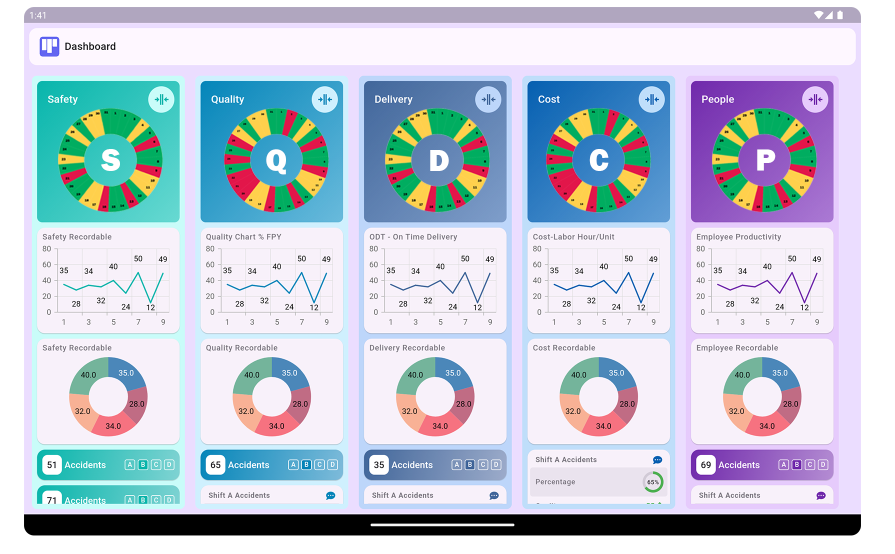
Effective data visualization is crucial for understanding complex performance metrics. Balanced Scorecard software typically includes dashboards and visual tools that present KPIs in an easily digestible format. These visualizations may include graphs, charts, and heat maps that help stakeholders quickly assess performance against targets. By providing a clear visual representation of KPIs, organizations can facilitate better communication and decision-making across all levels of management.
4. Strategic Alignment
Balanced Scorecard software ensures that all KPIs are aligned with the organization’s strategic objectives. By defining and linking KPIs to specific goals, organizations can create a clear pathway for performance improvement. This alignment fosters accountability, as employees can see how their individual contributions impact the organization’s success. Moreover, Balanced Scorecard software allows for cascading scorecards, where departmental and team-level metrics roll up to the organizational level, enhancing coherence and strategic alignment.
5. Comprehensive Performance Assessment
Tracking KPIs with Balanced Scorecard software provides organizations with a holistic view of performance. Unlike traditional methods that focus solely on financial metrics, the Balanced Scorecard approach integrates both financial and non-financial indicators. This comprehensive assessment enables organizations to identify areas for improvement that may not be apparent through financial analysis alone. By evaluating performance across multiple dimensions, organizations can develop a more nuanced understanding of their strengths and weaknesses.
6. Goal Setting and Target Management
Balanced Scorecard software allows organizations to set specific, measurable, attainable, relevant, and time-bound (SMART) goals for each KPI. This goal-setting feature enables organizations to establish clear performance targets that guide employee efforts. By continuously monitoring progress toward these targets, organizations can adjust strategies and tactics as needed to achieve desired outcomes. Goal setting fosters a culture of accountability, motivating employees to strive for excellence in their performance.
7. Continuous Improvement
A core principle of the Balanced Scorecard framework is continuous improvement. Balanced Scorecard software facilitates this principle by enabling organizations to track progress over time, analyze performance trends, and identify areas for enhancement. By fostering a culture of continuous feedback and learning, organizations can adapt to changing market conditions, innovate, and maintain a competitive edge. Regular reviews of KPI performance, combined with actionable insights from the software, empower organizations to refine their strategies continually.
Benefits of Using Balanced Scorecard Software for KPI Tracking
Implementing Balanced Scorecard software to track KPIs offers numerous benefits, including:
1. Enhanced Decision-Making
With access to real-time data and comprehensive performance metrics, managers can make more informed decisions. By leveraging insights from Balanced Scorecard software, organizations can identify potential issues early, assess the effectiveness of strategies, and pivot when necessary.
2. Increased Accountability
Balanced Scorecard software promotes accountability by clearly defining roles and responsibilities related to KPI performance. When employees understand how their contributions impact organizational success, they are more likely to take ownership of their performance and strive for improvement.
3. Improved Communication
The visual nature of Balanced Scorecard software enhances communication across the organization. Stakeholders can easily share performance data, discuss trends, and align efforts toward common goals. Improved communication fosters collaboration and ensures that everyone is working toward the same objectives.
4. Better Resource Allocation
By tracking KPIs effectively, organizations can identify areas where resources are being underutilized or misallocated. This insight allows for more informed resource allocation decisions, ensuring that time, budget, and personnel are directed toward initiatives that drive the greatest impact.
5. Greater Strategic Focus
Balanced Scorecard software helps organizations maintain a strong focus on their strategic objectives. By continuously monitoring KPIs aligned with these objectives, organizations can avoid distractions and ensure that all efforts are contributing to long-term success.
Best Practices for Implementing Balanced Scorecard Software
To maximize the effectiveness of Balanced Scorecard software for KPI tracking, organizations should consider the following best practices:
1. Define Clear Objectives
Before implementing Balanced Scorecard software, organizations should clearly define their strategic objectives. These objectives will serve as the foundation for developing KPIs and ensuring alignment throughout the organization.
2. Engage Stakeholders
Engaging stakeholders from various levels of the organization is crucial for successful implementation. Involve employees in the process of defining KPIs and establishing performance targets to foster buy-in and commitment.
3. Choose the Right Software Solution
Selecting the appropriate Balanced Scorecard software is essential. Organizations should evaluate different options based on features, usability, integration capabilities, and scalability. Choosing a solution that aligns with the organization’s specific needs will facilitate smoother implementation and adoption.
4. Provide Training and Support
Training is critical for ensuring that employees understand how to use the software effectively. Providing comprehensive training and ongoing support will empower employees to leverage the software’s features and capabilities fully.
5. Monitor and Review Performance
Regularly monitoring and reviewing KPI performance is vital for continuous improvement. Organizations should establish a routine for reviewing performance data, analyzing trends, and making necessary adjustments to strategies and targets.
Conclusion
Tracking KPIs with Balanced Scorecard software is an essential practice for organizations seeking to enhance their performance measurement capabilities. By providing centralized data management, real-time monitoring, and comprehensive performance assessments, Balanced Scorecard software empowers organizations to make informed decisions, align efforts with strategic objectives, and foster a culture of continuous improvement. As organizations continue to navigate the complexities of the business landscape, leveraging Balanced Scorecard software will be crucial for driving success and achieving long-term goals.
1. What is Balanced Scorecard software?
Balanced Scorecard software is a tool that helps organizations track and manage their performance metrics across multiple perspectives, including financial, customer, internal processes, and learning and growth.
2. How does Balanced Scorecard software help in KPI tracking?
This software centralizes data management, provides real-time monitoring, and visualizes performance metrics, enabling organizations to effectively track their Key Performance Indicators (KPIs) and make informed decisions.
3. Can Balanced Scorecard software integrate with other systems?
Yes, most Balanced Scorecard software solutions can integrate with existing systems like ERP and CRM, allowing for seamless data flow and centralized reporting.
4. What are the benefits of using Balanced Scorecard software?
The benefits include enhanced decision-making, increased accountability, improved communication, better resource allocation, and a greater strategic focus on organizational goals.
5. How can organizations ensure successful implementation of Balanced Scorecard software?
Successful implementation requires clear objective definition, stakeholder engagement, appropriate software selection, comprehensive training, and regular performance monitoring and review.