In today’s competitive and fast-paced business environment, maintaining high safety standards is essential for achieving operational excellence. Safety is not just a legal requirement but a cornerstone of employee well-being, productivity, and organizational reputation. The SQDCM (Safety, Quality, Delivery, Cost, and Morale) methodology offers an integrated approach to enhance safety goals, ensuring that it becomes a fundamental part of daily operations.
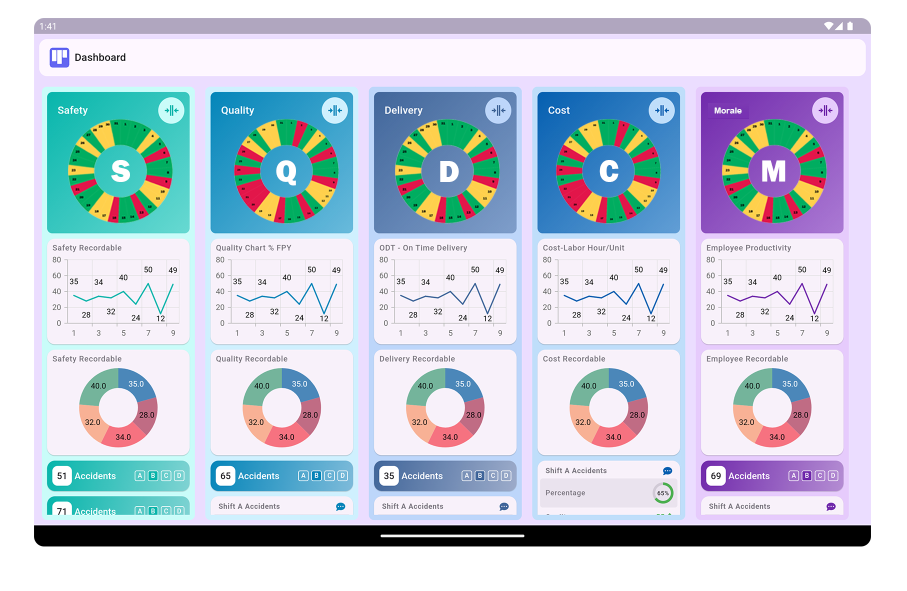
Understanding SQDCM and Its Components
SQDCM is a performance management system focusing on five critical areas: Safety, Quality, Delivery, Cost, and Morale. Each component is interconnected, with safety forming the foundation for operational success.
Key Ways SQDCM Enhances Organisational Safety Goals
- Promotes Real-Time Safety Monitoring: SQDCM uses visual tools to track incidents and risks, ensuring timely corrective actions.
- Integrates Safety into Daily Operations: Safety updates are prioritized in daily meetings, fostering a proactive risk mitigation approach.
- Encourages Root Cause Analysis: Structured problem-solving identifies and eliminates underlying causes of safety incidents.
- Aligns Safety with Organizational Goals: Safety metrics are tied to broader objectives, encouraging team accountability.
- Enhances Employee Involvement: Employees actively report hazards and suggest improvements, creating a safety-first culture.
- Tracks Leading and Lagging Indicators: Comprehensive tracking of both proactive and reactive metrics supports data-driven safety improvements.
- Supports Continuous Improvement: Regular reviews ensure safety goals evolve with operational needs and standards.
- Reduces Costs Associated with Incidents: Proactive risk management minimizes the financial impact of workplace accidents.
The Role of Leadership in Enhancing Safety Goals with SQDCM
Leadership commitment is vital for SQDCM’s success. Leaders must actively support safety initiatives, allocate resources, and integrate safety metrics into key performance indicators (KPIs). Recognizing and rewarding safety excellence reinforces positive behaviors and accountability.
Benefits of SQDCM for Safety Goals
- Improved Compliance: Structured monitoring helps meet safety regulations effectively.
- Higher Employee Morale: A safe workplace boosts confidence, engagement, and retention.
- Enhanced Reputation: Strong safety records build trust with stakeholders and customers.
- Reduced Operational Risks: Early risk identification minimizes accidents and disruptions.
- Increased Productivity: Safe environments foster higher efficiency and output.
Implementing SQDCM to Achieve Safety Excellence
To implement SQDCM successfully, follow these steps:
- Define Safety Goals: Set clear objectives, such as reducing incident rates.
- Establish Metrics: Identify and track safety performance indicators.
- Develop Visual Management Tools: Use boards or dashboards to monitor safety in real time.
- Conduct Training: Ensure employees and managers understand their roles in achieving safety goals.
- Review and Adjust: Regularly evaluate safety performance and refine strategies as needed.
Conclusion
SQDCM offers a comprehensive framework for enhancing organizational safety goals by integrating safety into daily operations, promoting accountability, and fostering continuous improvement. By prioritizing safety alongside quality, delivery, cost, and morale, organizations can create a work environment that not only protects employees but also drives overall success. Adopting SQDCM as a part of your performance management strategy ensures that safety remains a core value, enabling long-term growth and sustainability.
FAQs: How SQDCM Enhances Organisational Safety Goals
1. What is SQDCM, and how does it relate to safety goals?
SQDCM stands for Safety, Quality, Delivery, Cost, and Morale. It is a performance management framework that integrates safety into daily operations. By prioritizing safety alongside other key metrics, SQDCM ensures workplace hazards are identified, monitored, and mitigated systematically.
2. How does SQDCM improve safety monitoring?
SQDCM uses visual management tools such as dashboards and boards to track safety metrics like incidents, near-misses, and risk assessments in real-time. This visibility allows for proactive decision-making and timely corrective actions to maintain a safe work environment.
3. How does SQDCM encourage employee involvement in safety initiatives?
SQDCM fosters open communication, encouraging employees to report safety concerns, suggest improvements, and participate in safety meetings. This inclusive approach builds a safety-conscious culture where everyone feels responsible for maintaining workplace safety.
4. Can SQDCM help in identifying the root causes of safety issues?
Yes, SQDCM emphasizes root cause analysis to address the underlying issues behind safety incidents. By focusing on problem-solving, organizations can implement long-term corrective actions and prevent recurring hazards.
5. How does SQDCM align safety with organisational goals?
SQDCM integrates safety metrics with broader organisational objectives. For example, reducing workplace accidents can be tied to operational efficiency or compliance targets, ensuring safety becomes a shared responsibility across all teams.
6. What types of safety metrics are tracked in SQDCM?
SQDCM tracks both leading and lagging indicators. Leading indicators include training participation and near-miss reporting, while lagging indicators measure past incidents, such as injury rates and lost-time accidents. This dual approach ensures comprehensive safety monitoring.
7. How does SQDCM support continuous improvement in safety?
Through regular reviews of safety performance, SQDCM identifies areas for improvement and updates strategies to address new risks or challenges. This focus on continuous improvement ensures that safety standards evolve with the organization’s needs.
8. What role does leadership play in SQDCM safety enhancement?
Leadership is essential for the success of SQDCM. Leaders set the tone by prioritizing safety, allocating resources, and integrating safety metrics into performance evaluations. Recognizing and rewarding safety achievements also reinforces a culture of accountability.
9. How does SQDCM reduce the costs associated with safety incidents?
By proactively identifying and addressing hazards, SQDCM minimizes workplace incidents, reducing expenses related to medical claims, legal liabilities, and operational downtime. A safe environment also improves productivity and reduces turnover.
10. What are the benefits of implementing SQDCM for safety?
Implementing SQDCM enhances compliance, boosts employee morale, improves organizational reputation, reduces operational risks, and increases productivity. It creates a safer, more efficient workplace, contributing to overall business success.