In today's fast-paced and competitive business environment, continuous improvement is essential for organizations aiming to remain agile and efficient. One effective tool that facilitates this process is the SQDCP Board, which focuses on five critical elements: Safety, Quality, Delivery, Cost, and People. By leveraging these boards, organizations can drive performance enhancement, foster a culture of accountability, and create sustainable operational excellence.
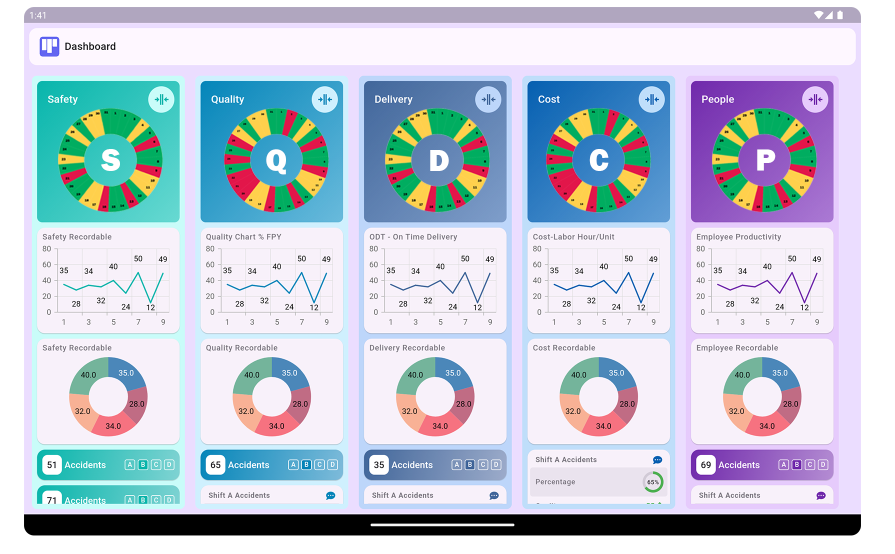
Understanding SQDCP Boards
SQDCP Boards are visual management tools that provide a framework for tracking and improving key performance indicators across five dimensions:
- Safety: Ensuring a safe working environment is paramount for any organization. SQDCP Boards help monitor safety metrics, track incidents, and implement preventive measures.
- Quality: Maintaining high-quality standards is crucial for customer satisfaction and loyalty. SQDCP Boards facilitate the identification of quality issues and enable teams to respond promptly with corrective actions.
- Delivery: Timeliness in delivering products and services impacts customer relationships and operational efficiency. These boards help organizations track delivery performance and identify bottlenecks in the process.
- Cost: Effective cost management is vital for sustaining profitability. SQDCP Boards provide visibility into cost-related metrics, allowing teams to pinpoint areas for cost reduction and operational efficiency.
- People: Engaging and empowering employees are critical components of a successful continuous improvement strategy. SQDCP Boards promote collaboration and communication, ensuring that all team members are aligned with organizational goals.
The Importance of Continuous Improvement
Continuous improvement is a systematic approach that encourages organizations to constantly evaluate and enhance their processes, products, and services. It helps organizations stay competitive, improve efficiency, and respond to changing market conditions. By focusing on incremental changes, organizations can achieve significant long-term benefits.
The concept of continuous improvement can be traced back to various management philosophies, including Total Quality Management (TQM) and Lean Manufacturing. It emphasizes the importance of employee involvement, data-driven decision-making, and a culture of experimentation.
Leveraging SQDCP Boards for Continuous Improvement
Implementing SQDCP Boards effectively requires understanding how each of the five dimensions contributes to continuous improvement. Below are strategies for leveraging SQDCP Boards to drive performance enhancements:
1. Safety: Cultivating a Culture of Safety
Safety should be the foremost priority in any organization. SQDCP Boards enable teams to track safety incidents, conduct root cause analyses, and implement corrective actions.
- Regular Safety Meetings: Schedule regular meetings to review safety metrics displayed on the SQDCP Board. Encourage open discussions about safety concerns and suggestions for improvement.
- Incident Reporting: Implement a clear process for reporting safety incidents. Use the SQDCP Board to track incidents and trends, enabling the organization to identify recurring issues and address them proactively.
- Training and Awareness: Use the board to highlight safety training sessions and ensure that all employees are aware of safety protocols. Regularly update the board with safety tips and reminders.
2. Quality: Monitoring and Enhancing Quality Standards
Quality is crucial for customer satisfaction and brand reputation. SQDCP Boards facilitate the monitoring of quality metrics, allowing teams to respond quickly to issues.
- Quality Metrics Tracking: Display key quality metrics on the SQDCP Board, such as defect rates and customer complaints. This visibility enables teams to prioritize quality improvements.
- Feedback Loop: Establish a feedback loop between customer service and production teams. Use the SQDCP Board to track feedback and ensure that quality issues are addressed promptly.
- Continuous Training: Provide ongoing training for employees to enhance their understanding of quality standards. Use the SQDCP Board to showcase training sessions and highlight areas for improvement.
3. Delivery: Ensuring Timely and Efficient Service
Timely delivery is essential for maintaining customer trust and satisfaction. SQDCP Boards help track delivery performance and identify process inefficiencies.
- On-Time Delivery Metrics: Display on-time delivery metrics on the board. Regularly review these metrics to identify trends and areas needing improvement.
- Cross-Department Collaboration: Foster collaboration between departments involved in the delivery process. Use the SQDCP Board to track commitments and ensure that everyone is aligned with delivery goals.
- Problem-Solving Workshops: Organize workshops focused on identifying and resolving delivery bottlenecks. Use the SQDCP Board to document findings and action items.
4. Cost: Managing Costs for Profitability
Cost management is vital for organizational sustainability. SQDCP Boards provide insights into cost-related metrics, enabling teams to identify areas for improvement.
- Cost Metrics Visualization: Use the SQDCP Board to display key cost metrics, such as operational costs and budget variances. This visibility allows teams to assess financial performance regularly.
- Cost Reduction Initiatives: Encourage teams to propose cost reduction initiatives. Use the SQDCP Board to track progress on these initiatives and celebrate successes.
- Resource Allocation Reviews: Regularly review resource allocation on the SQDCP Board. Ensure that resources are directed toward initiatives that drive the greatest value for the organization.
5. People: Engaging Employees in Continuous Improvement
Engaging employees is essential for fostering a culture of continuous improvement. SQDCP Boards promote collaboration and ensure everyone is aligned with organizational goals.
- Employee Recognition: Use the SQDCP Board to recognize employee contributions and achievements. Highlight team members who exemplify continuous improvement values.
- Collaboration Opportunities: Encourage cross-functional collaboration through team meetings focused on continuous improvement. Use the SQDCP Board to document ideas and action plans.
- Training and Development: Offer training programs that empower employees to take ownership of their roles in the continuous improvement process. Use the SQDCP Board to track training opportunities and employee development plans.
Best Practices for Implementing SQDCP Boards
To maximize the effectiveness of SQDCP Boards, organizations should consider the following best practices:
- Define Clear Objectives: Before implementing SQDCP Boards, organizations should establish clear objectives for what they want to achieve in each dimension (Safety, Quality, Delivery, Cost, and People). Clear objectives will guide the development and tracking of relevant metrics.
- Engage Stakeholders: Involve employees at all levels in the implementation process. Gathering input from various stakeholders will foster buy-in and ensure that the boards reflect the needs of the organization.
- Regular Updates and Reviews: Schedule regular updates to the SQDCP Boards to ensure that the information remains current. Conduct periodic reviews to assess performance against established metrics and identify areas for improvement.
- Provide Training and Resources: Ensure that employees understand how to use SQDCP Boards effectively. Provide training and resources to help them engage with the boards meaningfully.
- Celebrate Successes: Acknowledge and celebrate improvements achieved through the use of SQDCP Boards. Recognizing successes fosters a positive culture and encourages ongoing engagement in the continuous improvement process.
Conclusion
Enhancing continuous improvement through SQDCP Boards is a strategic approach that organizations can adopt to drive performance and operational excellence. By focusing on Safety, Quality, Delivery, Cost, and People, organizations can create a comprehensive framework for monitoring and improving performance.
Implementing SQDCP Boards fosters a culture of accountability and collaboration, empowering employees to take ownership of their roles in the continuous improvement process. By leveraging these boards effectively, organizations can achieve their strategic objectives, enhance customer satisfaction, and maintain a competitive edge in the market.
1. What are SQDCP Boards?
SQDCP Boards are visual management tools that focus on five key areas: Safety, Quality, Delivery, Cost, and People. They help organizations monitor performance and drive continuous improvement.
2. How can SQDCP Boards improve safety in the workplace?
1. Visibility of Safety Metrics
SQDCP Boards provide a visual representation of safety data, such as incident reports, near misses, and safety audits. This visibility allows employees to easily understand current safety performance and trends, fostering a proactive safety culture.
2. Real-Time Tracking of Incidents
By displaying real-time data on safety incidents, organizations can quickly identify patterns and areas that require immediate attention. This timely information enables teams to implement corrective actions and preventive measures promptly.
3. Employee Engagement
SQDCP Boards encourage employee participation in safety initiatives. Employees can report hazards, contribute to safety discussions, and suggest improvements, which empowers them to take ownership of their safety and that of their colleagues.
4. Regular Safety Meetings
Organizations can use SQDCP Boards during regular safety meetings to review safety metrics, discuss incidents, and evaluate the effectiveness of safety protocols. This creates a structured environment for addressing safety concerns and ensuring that everyone is informed.
5. Training and Awareness
SQDCP Boards can highlight upcoming safety training sessions and display reminders about safety procedures and best practices. This ensures that all employees are aware of their responsibilities and the importance of maintaining a safe work environment.
6. Root Cause Analysis
When incidents occur, SQDCP Boards can facilitate root cause analysis by documenting the events leading to the incident and identifying contributing factors. This systematic approach helps organizations prevent future occurrences.
7. Accountability
By clearly assigning responsibilities for safety metrics and initiatives on SQDCP Boards, organizations foster a sense of accountability among team members. When individuals know their roles in maintaining safety, they are more likely to take proactive measures.
8. Celebrating Safety Achievements
Recognizing and celebrating safety milestones and improvements displayed on SQDCP Boards can motivate employees to continue prioritizing safety. Positive reinforcement encourages a culture where safety is valued and prioritized.
3. Can SQDCP Boards help in enhancing product quality?
Yes, SQDCP Boards enable organizations to visualize quality metrics, allowing teams to quickly address issues, implement corrective actions, and improve overall product quality.
4. What role do SQDCP Boards play in cost management?
SQDCP Boards provide visibility into cost-related metrics, helping organizations identify areas for cost reduction and optimize resource allocation for better profitability.
5. How do SQDCP Boards engage employees in continuous improvement?
1. Visual Management
SQDCP Boards provide a clear visual representation of performance metrics and goals. This transparency helps employees understand how their work impacts the organization's objectives and encourages them to contribute to improvement initiatives.
2. Regular Updates
Frequent updates to SQDCP Boards keep the information relevant and top of mind. Employees are more likely to engage with processes that they see changing and evolving, reinforcing the importance of continuous improvement.
3. Collaborative Environment
SQDCP Boards foster a culture of collaboration by encouraging team discussions around safety, quality, delivery, cost, and people. Employees can share insights, raise concerns, and suggest improvements, making them feel valued and involved in the decision-making process.
4. Goal Setting and Accountability
By establishing clear performance goals on SQDCP Boards, organizations create a sense of ownership among employees. When individuals know their specific contributions towards these goals, they are more likely to take initiative and actively participate in improvement efforts.
5. Recognition of Contributions
Highlighting individual and team achievements on SQDCP Boards reinforces positive behavior. Recognizing and celebrating improvements not only boosts morale but also motivates employees to continue contributing to the continuous improvement culture.
6. Training and Development
SQDCP Boards can be used as a tool to highlight training opportunities related to continuous improvement. Employees are more likely to engage when they know they have the skills and knowledge necessary to contribute effectively.
7. Feedback Loops
By incorporating feedback mechanisms into the SQDCP process, organizations can ensure that employee suggestions are considered and acted upon. This responsiveness fosters a sense of trust and encourages ongoing participation in improvement initiatives.
8. Cross-Functional Involvement
Engaging employees from different departments or functions in discussions around SQDCP Boards promotes a holistic view of continuous improvement. It encourages diverse perspectives and solutions, enhancing collaboration across the organization.
9. Empowerment
SQDCP Boards empower employees to identify problems and propose solutions. This empowerment leads to greater buy-in for continuous improvement initiatives, as employees feel they have the authority and responsibility to drive change.
10. Regular Meetings
Utilizing SQDCP Boards in team meetings keeps the focus on continuous improvement. Structured discussions around the metrics displayed can lead to actionable insights and collaborative problem-solving.