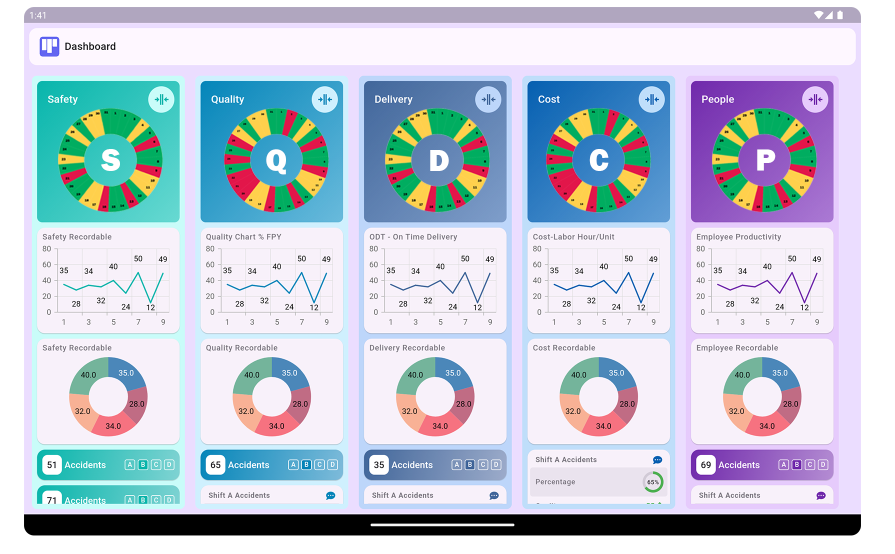
The Digital Balanced Scorecard (DBSC) is an innovative framework that enhances the traditional Balanced Scorecard methodology by integrating digital tools and data analytics. This modern approach allows organizations to align their strategic objectives with measurable performance indicators, ensuring that they can adapt quickly to changing business environments.
Understanding the Digital Balanced Scorecard
At its core, the Digital Balanced Scorecard is a strategic management system that provides a comprehensive view of an organization’s performance. It extends beyond traditional performance measurement by incorporating real-time data and digital technologies, enabling organizations to make informed decisions swiftly. The DBSC is built on four key perspectives: Financial, Customer, Internal Processes, and Learning & Growth.
The Four Perspectives of the Digital Balanced Scorecard (DBSC)
Financial Perspective:
This perspective focuses on the financial health of the organization. It includes metrics such as revenue growth, profitability, and return on investment (ROI). By analyzing these financial indicators, organizations can assess their overall economic performance.
Customer Perspective:
Understanding customer satisfaction and retention is crucial for success. The Digital Balanced Scorecard (DBSC) measures customer-related metrics, including satisfaction scores, market share, and customer loyalty. This perspective helps organizations tailor their offerings to meet customer needs effectively.
Internal Processes Perspective:
This perspective examines the efficiency and effectiveness of internal operations. It includes metrics related to process efficiency, quality control, and innovation. By monitoring these indicators, organizations can identify areas for improvement and optimize their workflows.
Learning & Growth Perspective:
Fostering a culture of continuous improvement and innovation is essential for long-term success. This perspective focuses on employee development, skills enhancement, and knowledge management. Metrics in this area may include employee training hours, employee engagement scores, and talent retention rates.
How the Digital Balanced Scorecard (DBSC) Works
The Digital Balanced Scorecard functions as a dynamic tool that collects and analyzes data from various sources. Here’s a step-by-step breakdown of how it operates:
Defining Strategic Objectives:
Organizations begin by outlining their strategic objectives aligned with their vision and mission. These objectives provide a roadmap for what the organization aims to achieve in the short and long term.
Selecting Key Performance Indicators (KPIs):
For each strategic objective, relevant KPIs are identified. These metrics will serve as benchmarks for measuring progress and success. The selection of KPIs should be based on their alignment with strategic goals and their ability to provide actionable insights.
Integrating Digital Tools:
The DBSC utilizes various digital tools and technologies to collect, analyze, and visualize data. This may include business intelligence platforms, data analytics software, and dashboard applications. These tools facilitate real-time data access and enhance decision-making capabilities.
Data Collection and Analysis:
Data is collected from various internal and external sources. The DBSC analyzes this data to identify trends, correlations, and insights. This analysis helps organizations understand their performance across the four perspectives and make data-driven decisions.
Performance Monitoring:
Regular monitoring of KPIs allows organizations to track their progress toward strategic objectives. The DBSC provides a visual representation of performance metrics, making it easier for stakeholders to understand the organization's status at a glance.
Feedback and Continuous Improvement:
The DBSC encourages a culture of feedback and continuous improvement. Organizations can identify areas that require adjustment or enhancement based on performance data. Regular reviews and updates ensure that the DBSC remains relevant and aligned with changing business environments.
Benefits of the Digital Balanced Scorecard
Implementing a Digital Balanced Scorecard (DBSC) offers numerous advantages to organizations:
Enhanced Strategic Alignment:
The Digital Balanced Scorecard (DBSC) ensures that all levels of the organization are working towards common goals. By linking individual and departmental objectives to the overall strategy, organizations can achieve better alignment and coordination.
Real-Time Insights:
With the integration of digital tools, organizations can access real-time data and insights. This agility allows for quicker decision-making and responsiveness to market changes.
Improved Performance Measurement:
The DBSC provides a comprehensive view of organizational performance across multiple perspectives. This holistic approach enables organizations to identify strengths and weaknesses effectively.
Increased Employee Engagement:
By involving employees in the performance measurement process, the Digital Balanced Scorecard (DBSC) fosters a sense of ownership and accountability. Engaged employees are more likely to contribute to organizational success.
Facilitated Innovation:
The emphasis on learning and growth within the DBSC encourages a culture of innovation. Organizations can experiment with new ideas and approaches, leading to continuous improvement.
Implementing the Digital Balanced Scorecard
To successfully implement a DBSC, organizations should follow these key steps:
Engage Leadership:
Leadership commitment is essential for successful implementation. Leaders should champion the DBSC and communicate its importance throughout the organization.
Define Objectives and KPIs:
Collaboratively define strategic objectives and select relevant KPIs that align with those objectives. Ensure that these KPIs are measurable and actionable.
Select Digital Tools:
Choose appropriate digital tools that fit the organization’s needs. Consider factors such as ease of use, integration capabilities, and scalability.
Train Employees:
Provide training to employees on how to use the Digital Balanced Scorecard (DBSC) effectively. This training should cover data analytics, performance measurement, and interpretation of results.
Monitor and Adjust:
Regularly review performance metrics and adjust strategies as necessary. Continuous monitoring ensures that the DBSC remains relevant and effective.
Conclusion
The Digital Balanced Scorecard is a powerful tool for organizations seeking to enhance their strategic management and performance measurement capabilities. By integrating digital technologies and data analytics, the Digital Balanced Scorecard (DBSC) enables organizations to adapt swiftly to changing environments while maintaining a clear focus on their strategic objectives. Through its comprehensive approach and real-time insights, the DBSC fosters a culture of continuous improvement and innovation, ultimately driving organizational success.
- 1. What is the Digital Balanced Scorecard (DBSC)?
- The Digital Balanced Scorecard is an advanced management tool that integrates digital technology with the traditional Balanced Scorecard framework to enhance strategic planning and performance measurement.
- 2. How does the DBSC differ from the traditional Balanced Scorecard?
- While the traditional Balanced Scorecard focuses on performance metrics over time, the DBSC incorporates real-time data analytics and digital tools, providing immediate insights into organizational performance.
- 3. What are the key components of a DBSC?
- The DBSC includes four perspectives: Financial, Customer, Internal Processes, and Learning & Growth, each enhanced through digital capabilities for better performance tracking.
- 4. How can organizations implement a DBSC?
- Implementation involves defining strategic objectives, selecting relevant Key Performance Indicators (KPIs), integrating digital tools for data collection and analysis, and fostering a culture of continuous improvement.
- 5. What benefits does the DBSC offer?
- Benefits include improved visibility into performance, faster decision-making, better alignment of strategic goals, enhanced employee engagement, and a culture of innovation.
- 6. What role does data analytics play in the DBSC?
- Data analytics enables real-time tracking of performance, identification of trends, and data-driven decision-making, improving operational efficiency and strategic alignment.
- 7. How can organizations choose the right KPIs for their DBSC?
- Organizations should align KPIs with strategic goals, ensure they are measurable, and include both leading and lagging indicators to provide a balanced view of performance.
- 8. What digital tools are essential for a successful DBSC?
- Essential tools may include data visualization software, project management platforms, business intelligence applications, and cloud-based collaboration solutions.
- 9. Can the DBSC be adapted to different industries?
- Yes, the DBSC is versatile and can be tailored to various industries, including healthcare, finance, manufacturing, and services, to meet specific performance measurement needs.
- 10. What challenges might organizations face when implementing a DBSC?
- Common challenges include resistance to change, data integration issues, lack of digital literacy among employees, and ensuring that strategy and metrics are properly aligned.