In today’s competitive business landscape, organizations are continually searching for effective ways to measure and enhance their performance. The Digital Balanced Scorecard (BSC) System has emerged as a powerful tool for aligning business activities to the vision and strategy of the organization. It provides a framework that not only measures financial performance but also integrates various non-financial metrics to give a holistic view of organisational health.
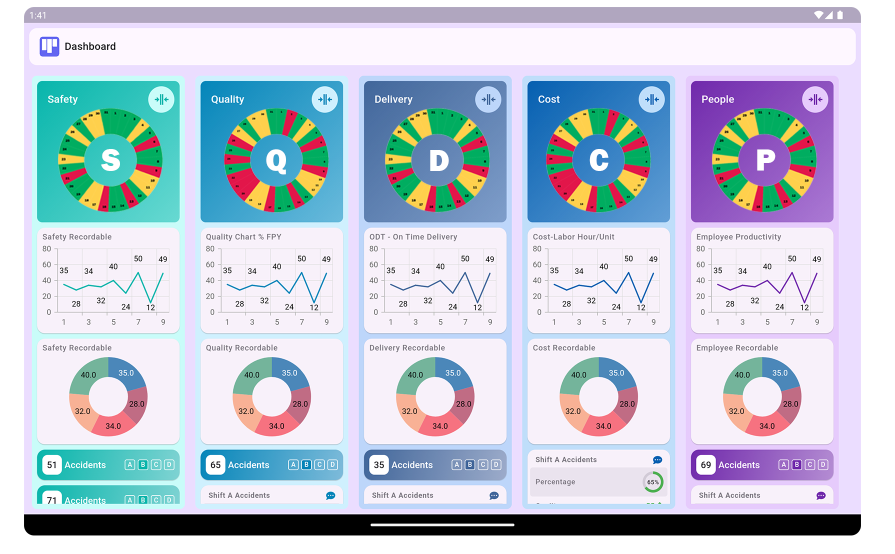
Understanding the Balanced Scorecard
The Balanced Scorecard was developed in the early 1990s by Dr. Robert Kaplan and Dr. David Norton as a performance management tool. It was designed to provide a more balanced view of organizational performance by incorporating financial and non-financial perspectives. The traditional financial metrics often fail to capture the complete picture of an organization’s performance. Thus, the Balanced Scorecard introduced four key perspectives:
- Financial Perspective: This includes traditional financial measures that indicate how well the organization is performing financially. Metrics such as revenue growth, profit margins, and return on investment (ROI) are assessed.
- Customer Perspective: This perspective focuses on customer satisfaction and retention. It measures how well the organization is meeting customer needs and expectations through metrics like customer satisfaction scores and market share.
- Internal Business Processes Perspective: This aspect evaluates the internal processes that drive organizational performance. Metrics such as operational efficiency, quality control, and process improvement are considered.
- Learning and Growth Perspective: This perspective emphasizes the importance of continuous learning and improvement within the organization. Metrics such as employee engagement, training and development, and innovation rates are measured to gauge the organization’s ability to grow and adapt.
The Role of Digital Technology in the Balanced Scorecard
The transition from a traditional Balanced Scorecard to a Digital Balanced Scorecard (DBSC) has revolutionized the way organizations approach performance measurement. Digital technology facilitates real-time data collection, analysis, and visualization, which enhances the effectiveness of the BSC framework. Here’s how a Digital Balanced Scorecard System supports performance measurement:
1. Real-Time Data Access
One of the most significant advantages of a Digital BSC is the ability to access real-time data. Traditional BSCs often relied on manual data collection and periodic reporting, leading to delays and outdated information. With digital technology, organizations can integrate various data sources, such as enterprise resource planning (ERP) systems, customer relationship management (CRM) software, and other databases, to gather information continuously. This real-time access allows managers to make informed decisions quickly and respond proactively to changing conditions.
2. Enhanced Data Visualization
Digital Balanced Scorecard Systems utilize advanced data visualization tools to present complex performance metrics in an easily understandable format. Dashboards, charts, and graphs enable stakeholders to visualize trends, performance gaps, and areas needing attention. This enhanced visualization aids in identifying patterns and making data-driven decisions, which might be challenging with traditional reports. By transforming raw data into meaningful insights, organizations can better communicate performance results across various levels.
3. Improved Strategic Alignment
A Digital BSC System ensures that all organizational activities align with the overall strategic goals. By clearly defining key performance indicators (KPIs) associated with each perspective of the scorecard, organizations can track their progress toward strategic objectives. This alignment fosters accountability among teams and individuals, as everyone understands how their roles contribute to the larger goals. Moreover, digital systems often allow for cascading scorecards, where departmental or team-level metrics roll up to the organizational level, enhancing alignment and coherence.
4. Comprehensive Performance Measurement
Digital BSC Systems facilitate a more comprehensive approach to performance measurement by integrating both financial and non-financial metrics. This holistic view enables organizations to assess their overall performance, taking into account customer satisfaction, operational efficiency, and employee engagement alongside financial results. This comprehensive measurement helps identify potential areas for improvement that may not be evident through financial metrics alone.
5. Continuous Improvement
A key principle of the Balanced Scorecard is the emphasis on continuous improvement. Digital BSC Systems support this principle by allowing organizations to set targets, track progress, and identify areas for enhancement regularly. By establishing a culture of continuous feedback and learning, organizations can adapt to changes, innovate, and maintain a competitive edge. Digital tools often include features for goal setting, performance tracking, and regular reviews, fostering a culture of accountability and improvement.
6. Enhanced Decision-Making
The integration of real-time data and comprehensive performance metrics significantly enhances decision-making capabilities within organizations. Managers can quickly identify performance trends, understand root causes of issues, and assess the impact of different strategies. This agility in decision-making enables organizations to pivot and respond to market changes effectively, minimizing risks and maximizing opportunities.
7. Employee Engagement and Accountability
A Digital BSC System fosters employee engagement by providing individuals with visibility into their performance and how it contributes to the organization’s success. By involving employees in the goal-setting process and providing them with the necessary tools to track their progress, organizations promote a sense of ownership and accountability. This engagement can lead to improved morale, higher productivity, and better overall performance.
8. Integration with Other Management Frameworks
The Digital Balanced Scorecard can be seamlessly integrated with other performance management frameworks and methodologies, such as Lean, Six Sigma, and Agile. This integration allows organizations to leverage best practices from various disciplines, enhancing their overall performance measurement capabilities. By aligning the Balanced Scorecard with other frameworks, organizations can develop a comprehensive performance management system that addresses multiple aspects of performance.
Implementing a Digital Balanced Scorecard System
To harness the benefits of a Digital Balanced Scorecard System, organizations must approach its implementation thoughtfully. Here are key steps to consider:
1. Define Strategic Objectives
Before implementing a Digital BSC, organizations should clearly define their strategic objectives. These objectives will serve as the foundation for developing the scorecard and selecting appropriate KPIs. Engaging stakeholders from various levels of the organization in this process ensures alignment and buy-in.
2. Identify Key Performance Indicators (KPIs)
Once strategic objectives are established, organizations must identify KPIs that will measure progress toward these goals. It is crucial to select a balanced mix of financial and non-financial metrics that align with each perspective of the Balanced Scorecard. These KPIs should be specific, measurable, attainable, relevant, and time-bound (SMART).
3. Train and Engage Stakeholders
Successful implementation of a Digital Balanced Scorecard requires the active engagement of all stakeholders. Organizations should provide training and resources to ensure that employees understand how to use the system effectively. Engaging stakeholders throughout the implementation process fosters a culture of collaboration and commitment.
4. Monitor and Adjust
After implementing the Digital BSC, organizations should continuously monitor performance and adjust their strategies as needed. Regular reviews of the scorecard metrics and feedback from stakeholders will help identify areas for improvement and ensure that the system remains aligned with changing organizational goals.
Conclusion
A Digital Balanced Scorecard System is a vital tool for organizations striving to enhance their performance measurement capabilities. By providing real-time data access, improved visualization, and comprehensive metrics, it supports better decision-making, strategic alignment, and continuous improvement. Implementing a Digital BSC not only fosters accountability and engagement among employees but also empowers organizations to adapt and thrive in a dynamic business environment. As organizations continue to embrace digital transformation, the Digital Balanced Scorecard will play a critical role in shaping their performance measurement strategies and driving success.
1. What is a Digital Balanced Scorecard (BSC) System?
A Digital Balanced Scorecard System is a performance management tool that integrates financial and non-financial metrics to provide a comprehensive view of an organization's performance. It leverages digital technology for real-time data access and visualization.
2. How does a Digital BSC enhance decision-making?
The Digital BSC enhances decision-making by providing real-time data and comprehensive performance metrics, allowing managers to quickly identify trends, assess the impact of strategies, and respond to market changes effectively.
3. What are the key perspectives of the Balanced Scorecard?
The key perspectives of the Balanced Scorecard are Financial, Customer, Internal Business Processes, and Learning and Growth. Each perspective provides a different view of organizational performance and helps in aligning activities with strategic objectives.
4. Why is real-time data important in a Digital BSC?
Real-time data is crucial in a Digital BSC because it enables organizations to make informed decisions quickly, respond proactively to changes, and ensure that performance metrics are up-to-date, allowing for timely adjustments to strategies.
5. How can organizations implement a Digital Balanced Scorecard System?
Organizations can implement a Digital BSC by defining strategic objectives, identifying key performance indicators (KPIs), choosing appropriate digital tools, training stakeholders, and continuously monitoring performance to make necessary adjustments.